7 Best Steel Rope Manufacturers for Global Buyers?
Choosing a reliable steel rope manufacturer can influence lifting safety, operating costs, and project continuity. Global buyers need more than attractive catalog prices.
This guide examines seven established manufacturers serving construction, mining, marine, elevator, and industrial markets. It considers rope construction, tensile strength, corrosion protection, production capacity, testing procedures, and export experience. A 6×36 rope may suit flexible lifting work, while compacted strands can support demanding crane applications. The right choice depends on load cycles, drum size, environment, and required service life.
Practical sourcing also requires careful attention to traceability. Buyers should request mill certificates, inspection records, coating details, and clear technical data. Delivery reliability matters when a replacement rope is needed at a busy port or remote mine. Communication matters too. Technical questions should receive precise answers, not vague promises.
No manufacturer fits every project.
The comparison may not reveal every regional requirement or field condition. Published specifications can look excellent, yet installation support may vary between markets. Buyers should verify current certifications, testing standards, warranty terms, and after-sales resources before placing an order. Price alone remains a weak measure of value. A slightly higher initial cost may reduce downtime, replacement frequency, and safety concerns over time.
These manufacturers are assessed through a practical, evidence-based lens. However, procurement teams should still confirm suitability with qualified engineers and independent inspectors. The final decision should match the actual application, not simply the strongest marketing claim.

What Defines a Leading Steel Rope Manufacturer?
What Defines a Leading Steel Rope Manufacturer?
A leading steel rope manufacturer is defined by more than a polished catalog. It begins with consistent production experience. Skilled engineers select suitable wire grades, rope constructions, lay directions, and protective coatings for each application. A lifting rope, mining rope, and elevator rope face very different stresses. Treating them alike creates avoidable risk.
Reliable manufacturers control every stage, from wire drawing to closing and lubrication. They test tensile strength, breaking load, fatigue resistance, and dimensional accuracy. Clear batch records should connect each coil to raw materials, inspection results, and production dates. Independent laboratory testing adds credibility, especially for global buyers. Technical documents must be readable, current, and matched to the delivered product.
Field knowledge matters too. Experienced suppliers ask about sheave diameter, working load, installation conditions, corrosion exposure, and maintenance habits. They do not simply recommend the strongest rope. The right choice balances safety, service life, cost, and handling. Small details matter.
No factory gets every decision right. A trustworthy manufacturer admits limitations and investigates complaints without defensive language. It may provide samples, installation guidance, replacement analysis, and practical training. After-sales support reveals real competence. Buyers should also inspect factory capacity, quality procedures, export experience, and response times before signing an agreement. Certifications help, but they never replace honest technical communication and evidence from actual production.
How to Compare Steel Rope Quality, Standards, and Certifications
Comparing steel rope suppliers starts with the rope’s intended duty, not its catalog price.
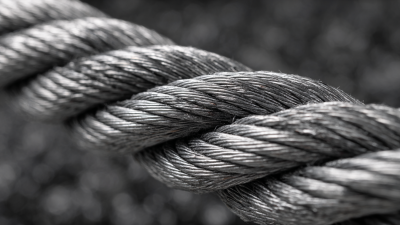
Check diameter tolerance, tensile grade, rope construction, lay direction, and core material. A 20 mm rope with a fiber core behaves differently from one with an independent wire rope core. Request the minimum breaking force, measured test value, and recommended working load. Do not accept “heavy duty” as a technical specification.
ISO 2408 and EN 12385 define important requirements for wire-rope manufacture, testing, and documentation. Ask for certificates that identify heat numbers, batch numbers, steel grade, coating, and laboratory results. The World Steel Association reported approximately 1.89 billion tonnes of crude steel production in 2023, but volume alone says little about rope reliability. Quality depends on controlled drawing, consistent stranding, lubrication, and inspection records. Fatigue performance matters where ropes pass repeatedly over sheaves. Bend-diameter compatibility should be checked on the actual equipment.
A practical comparison includes sample testing.
Measure diameter at several points, inspect broken wires, and compare the supplied breaking force with the certificate. Independent testing adds confidence. It also reveals uncomfortable gaps. Some documents look complete but omit test methods or acceptance limits. I have seen purchasing decisions focus on price while ignoring sheave diameter and corrosion exposure. That mistake can shorten service life quickly. Certifications should support traceability, not replace engineering judgment.
Key Product Types and Applications from Global Manufacturers
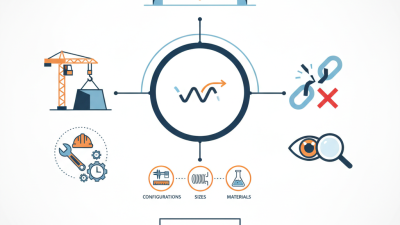
Global buyers often compare seven leading steel rope manufacturers by product range, testing discipline, and application knowledge. Their main offerings include galvanized wire rope, stainless steel rope, compacted rope, rotation-resistant rope, and spiral strand. Each design serves a different working environment.
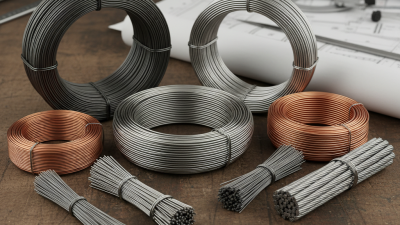
Galvanized rope suits cranes, elevators, ports, and outdoor lifting systems. Stainless steel rope performs well around moisture, food-processing equipment, and architectural structures. Compacted rope provides stronger abrasion resistance for mining and heavy-duty cranes.
Rotation-resistant rope helps control suspended loads at height. Spiral strand supports bridges, towers, and permanent structural work. Some manufacturers also produce small-diameter rope for winches, safety systems, and marine equipment.
Tips: Request mill certificates, breaking-load reports, coating details, and traceability records. Confirm the rope construction, core type, lay direction, and required safety factor. Check whether the supplier offers technical support in your region. A clear inspection schedule matters too. Small errors become expensive.
Application conditions should guide the purchase, not price alone. Saltwater, sharp sheaves, vibration, heat, and repeated bending can change rope life dramatically. Experienced manufacturers usually recommend compatible sheave diameters and lubrication methods. Still, their advice needs independent verification. Buyers should compare test data, replacement intervals, delivery capability, and after-sales response before selecting a supplier.
How Manufacturing Capacity, Customization, and Delivery Affect Buyers
Choosing the seven best steel rope manufacturers requires more than comparing quoted prices. Manufacturing capacity affects consistency, lead times, and emergency replenishment. The World Steel Association reported approximately 1.89 billion tonnes of crude steel production in 2023. That scale shows available material, but it does not prove rope quality.
Buyers should inspect drawing machines, closing lines, heat-treatment records, and monthly output. A factory producing several rope constructions can handle changing project requirements better. Customization may include diameter, lay direction, core type, coating, tensile grade, and reel dimensions. Each change should appear on a technical drawing and inspection plan. Otherwise, “custom” can become an expensive misunderstanding. Request sample lengths, breaking-force results, and batch traceability before approving volume production.
Delivery deserves equal attention. UNCTAD’s Review of Maritime Transport states that over 80% of global trade by volume moves by sea. Port congestion, container shortages, and weather can therefore reshape a delivery promise. Strong suppliers offer production milestones, export packing photos, and realistic buffer time. They should also explain whether testing occurs before or after coating. That detail matters. A small omission can delay installation for weeks. My own evaluation would score seven candidates across capacity, customization, testing, communication, packaging, logistics, and after-sales response. The scoring is useful, but not perfect; factory visits and failed samples still reveal what spreadsheets miss.
Seven Steel Rope Manufacturers Worth Considering Worldwide
Seven Steel Rope Manufacturers Worth Considering Worldwide
Global buyers should compare seven manufacturer profiles rather than trust a polished catalog. Consider producers specializing in mining ropes, crane ropes, elevator ropes, offshore lines, fishing ropes, compacted strands, and custom assemblies. Each category demands different wire grades, lay designs, coatings, and breaking-load targets. Experienced manufacturers should explain their testing process clearly. They should also provide batch numbers, inspection reports, and usable technical drawings.
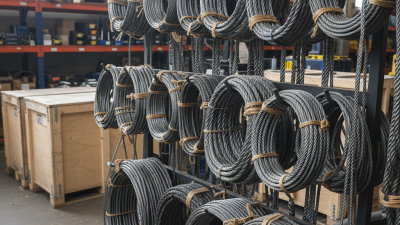
A reliable factory usually shows its production controls, not only finished photographs. Look for in-house wire drawing, strand closing, tensile testing, and fatigue testing. Ask how workers measure rope diameter after loading and how they protect coils during ocean transport. A small detail matters: wet timber or damaged wrapping can affect storage quality. I would not assume a large factory is automatically better. Some smaller producers may offer closer engineering support, while their delivery capacity might be limited. That trade-off deserves honest discussion.
Tips: Request samples before placing a large order. Compare breaking force, tolerance, lubrication, and minimum order quantities. Check whether the proposed rope matches your sheave diameter and operating temperature. Ask for recent test records, not generic certificates. Keep every drawing and specification in writing. Mistakes happen. Clear records make them easier to trace.
7 Best Steel Rope Manufacturers for Global Buyers
Nominal steel tensile-strength grades commonly specified for wire ropes under international rope standards. Higher tensile strength can support greater breaking force, but the final selection also depends on rope construction, diameter, core type, corrosion protection, and certification requirements.
Reference grades shown: 1,570 MPa, 1,770 MPa, 1,960 MPa, and 2,160 MPa. These are nominal material strength grades used in global wire-rope specifications and are not manufacturer-specific performance claims.