Top 10 Benefits of Using Stainless Steel Screens for Industry?
When it comes to industrial applications, the choice of materials can significantly affect performance. One standout option is the stainless steel screen. Known for its durability, this type of screen offers numerous advantages in various industries. Its resistance to corrosion makes it ideal for challenging environments, ensuring longevity and reliability.
Stainless steel screens provide an excellent balance between strength and weight. They are easy to maintain and can withstand high temperatures. These features make them a preferred choice for filtration, separation, and protection tasks. Industries such as food processing, pharmaceuticals, and construction benefit from using stainless steel screens, as they enhance efficiency and safety.
However, it's important to consider specific needs when selecting a stainless steel screen. Not all screens are the same; variations in mesh size and thickness can impact performance. Evaluating these factors is essential for achieving the best results. While stainless steel screens are valuable, improper use could lead to issues, underscoring the need for expertise in making the right choice.
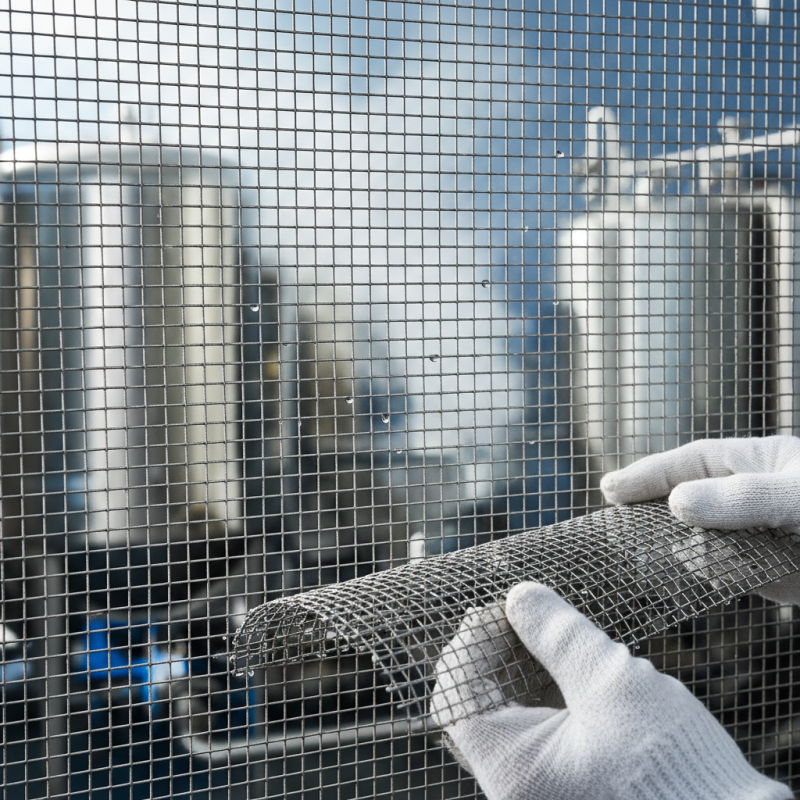
Advantages of Corrosion Resistance in Stainless Steel Screens
Stainless steel screens are renowned for their corrosion resistance, making them ideal for various industrial applications. Corrosion can lead to structural failures and operational downtime. According to industry data, stainless steel screens can last up to three times longer than traditional materials in harsh environments. This longevity results in significant cost savings and reduced maintenance.
In industries like food processing, pharmaceuticals, and wastewater treatment, corrosion resistance is critical. Stainless steel does not rust easily, which ensures that contaminants do not leach into products. A study by the International Stainless Steel Forum found that over 60% of users experienced fewer replacements and repairs due to the durability of stainless steel compared to carbon steel.
Tip: Regularly inspect stainless steel screens for any signs of wear. Even high-quality materials can suffer from pitting under certain conditions.
Another benefit includes the aesthetic appeal of stainless steel. It can maintain its shine and luster even in challenging environments. However, it may require attention to prevent surface scratches and maintain its appearance. A report by the American Society for Metals emphasizes the importance of proper care, suggesting cleaning routines to enhance performance and appearance.
Tip: Use mild detergents and soft cloths for cleaning. Harsh chemicals may damage the protective layer.
Top 10 Benefits of Using Stainless Steel Screens for Industry
| Benefit |
Description |
Applications |
| Corrosion Resistance |
Stainless steel screens are resistant to rust and corrosion, making them ideal for harsh environments. |
Chemical processing, marine applications |
| Durability |
Long lifespan even in challenging conditions, reducing replacement costs. |
Mining, construction |
| Hygienic Properties |
Non-porous and easy to clean, minimizing bacterial growth. |
Food processing, pharmaceutical |
| Aesthetic Appeal |
Modern appearance that enhances the overall look of industrial installations. |
Architecture, interior design |
| Temperature Resistance |
Can withstand extreme heat and cold without losing strength. |
Energy production, aerospace |
| Lightweight |
Lighter than some alternatives, contributing to reduced transportation costs. |
Transportation, logistics |
| Customization |
Can be fabricated into various shapes and sizes to meet specific needs. |
Manufacturing, custom projects |
| Sustainability |
Recyclable material, contributing to environmentally-friendly practices. |
Waste management, green building |
| Cost-Effectiveness |
Lower maintenance costs and longer lifespan lead to overall savings. |
Various industrial sectors |
| Versatility |
Suitable for a wide range of applications across different industries. |
Construction, agriculture, automotive |
Enhanced Durability and Longevity of Industrial Applications
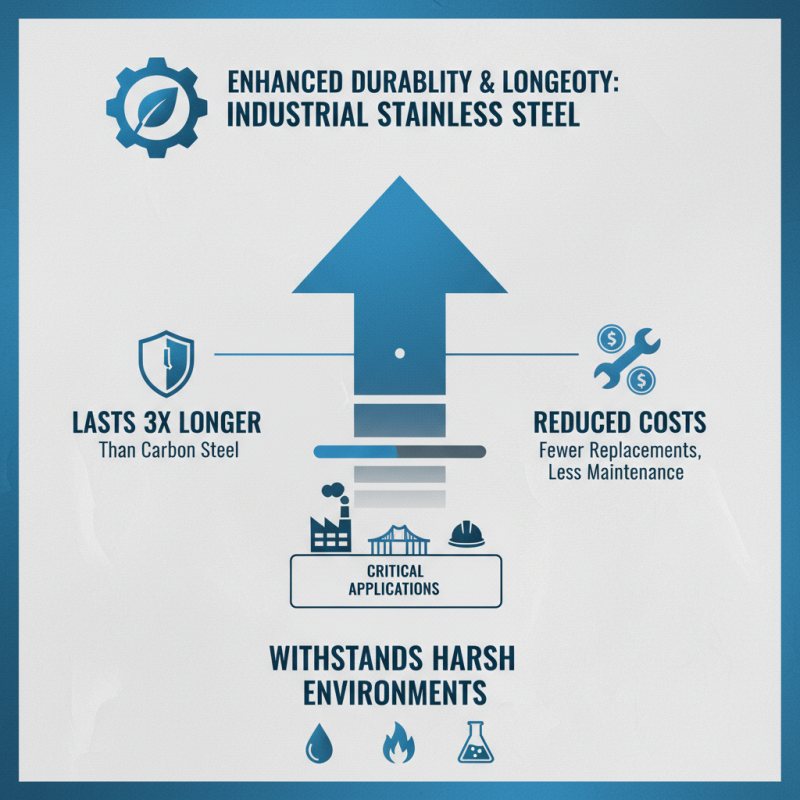
Stainless steel screens offer remarkable durability and longevity, making them indispensable in industrial applications. According to industry reports, stainless steel components can last up to three times longer than their carbon steel counterparts. This means fewer replacements and reduced maintenance costs, a critical factor in industries like construction and manufacturing. The ability to withstand harsh environments contributes significantly to this extended lifespan.
In addition, stainless steel displays excellent resistance to corrosion and wear. A study by the American Society for Testing and Materials (ASTM) noted that stainless steel maintains its structural integrity much longer than materials prone to rust and deterioration. This quality not only enhances the lifespan but also ensures consistent performance in critical operations.
Tip: Always consider the environmental conditions when choosing materials. End-users should analyze specific requirements, such as exposure to chemicals or extreme temperatures, to optimize material selection.
Using stainless steel screens leads to a lower likelihood of breakdowns. Nonetheless, even stainless steel can show some signs of wear under extreme fatigue. Regular inspections are essential for identifying potential weaknesses. Customers should invest in long-term solutions rather than focusing solely on upfront costs.
Improved Hygiene and Cleanliness with Stainless Steel Screens
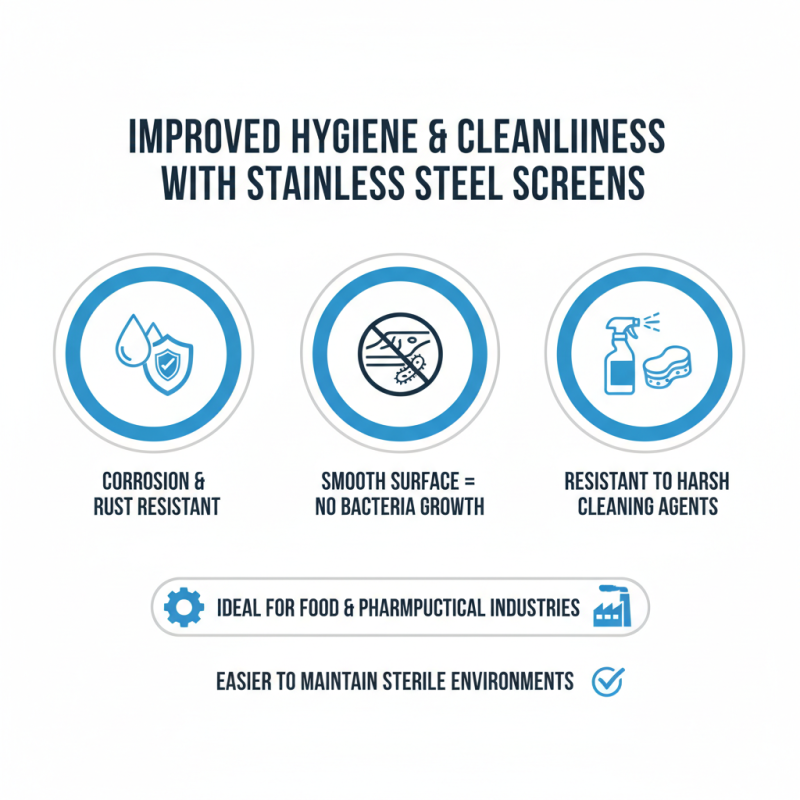
Stainless steel screens are increasingly popular in various industries due to their hygiene and cleanliness benefits. These screens are resistant to corrosion and rust. Their smooth surfaces prevent bacterial growth, an essential feature for food and pharmaceutical sectors. Unlike other materials, stainless steel can endure harsh cleaning agents. This makes it easier to maintain a sterile environment.
Using stainless steel screens also reduces contamination risks. In environments where cleanliness is critical, such as hospitals and labs, this material shines. It can handle high temperatures without warping. However, some might question the initial cost compared to plastic options. While stainless steel may be pricier upfront, its durability means less frequent replacements.
Moreover, stainless steel screens fit seamlessly into various applications. They can be tailored for ventilation, filtration, or safety barriers. This flexibility adds to their appeal in industries that cannot compromise on hygiene. Industries should carefully evaluate their needs. Balancing cost and hygiene is essential for sustainable operations.
Cost-Effectiveness and Maintenance of Stainless Steel Screens
Stainless steel screens are becoming increasingly popular in various industries due to their
cost-effectiveness and low maintenance requirements.
They are robust and resistant to corrosion, making them ideal for challenging environments. This durability
reduces replacement frequency, saving businesses money in the long run. Regular upkeep for stainless steel
is quite simple, often requiring just a wash to maintain its appearance and performance.
Maintaining stainless steel screens is straightforward. Regular cleaning prevents buildup that can affect
functionality. Utilizing a non-abrasive scrubber during maintenance can protect the screen's surface.
This simple process can extend the lifespan significantly. Make sure to inspect for any signs of wear.
Minor issues can become major problems if neglected.
Cost-effectiveness comes into play not only in longevity but also in energy savings.
Stainless steel screens can contribute to lower operational costs. They often require less energy for
maintenance, leading to reduced utility bills. While upfront costs may be higher, the long-term savings
make them a wise investment. A thorough cost-benefit analysis prior to purchasing can clarify potential returns.
Versatility of Stainless Steel Screens in Various Industries
Stainless steel screens have become a key component across various industries due to their unique properties. Their versatility makes them suitable for sectors like construction, food processing, and waste management. A report by ResearchAndMarkets highlights that the global stainless steel market is expected to reach $138.6 billion by 2027, signifying increased demand. These screens withstand extreme conditions, offering durability and resistance to corrosion.
In the construction industry, stainless steel screens provide both functional and aesthetic benefits. They serve as barriers in buildings and elevators. According to a study by the International Journal of Project Management, over 60% of construction projects favor materials that enhance longevity and safety. In food processing, these screens maintain hygiene standards. They minimize contamination risks while allowing easy cleaning. However, the initial cost may deter some smaller businesses from switching to stainless steel options.
Waste management also benefits significantly. Stainless steel screens are effective in sorting recyclables due to their strength. A report from the Waste Management Industry Association notes that using stainless steel machinery can increase sorting efficiency by up to 40%. However, some industries still rely on plastic or less durable materials, raising questions about long-term sustainability. The contrast in efficiency calls for a reevaluation of material choices across various sectors.
Top 10 Benefits of Using Stainless Steel Screens for Industry