Best Cargo Tie Down Straps for Secure Transport Solutions?
When it comes to transporting goods securely, having reliable gear is essential. Cargo Tie Down Straps play a crucial role in ensuring that items stay in place during transit. These straps are designed to withstand various weights and conditions. Using the right cargo tie down straps can significantly reduce the risk of damage to your cargo.
Choosing the best tie down straps can be overwhelming, given the numerous options available. Factors like material strength, length, and ratchet mechanisms come into play. Experience tells us that not every strap will suit every load. Some may bend or break under pressure, leading to costly accidents.
In your search for secure transport solutions, consider the durability and ratings of the cargo tie down straps. Seek straps that have proven reliability in real-world situations. Remember, a small oversight in selecting the right equipment could lead to significant losses. Therefore, investing time in understanding your needs is crucial for safe transportation.
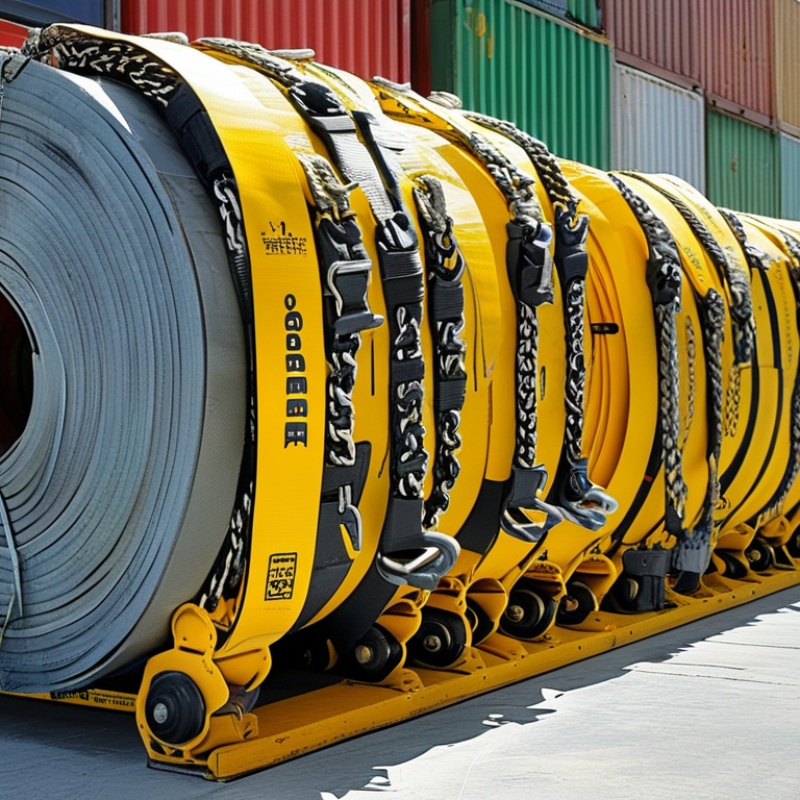
Types of Cargo Tie Down Straps: Exploring Options for Transport
Choosing the right cargo tie down straps is vital for safe transport. Several types of straps cater to different needs. Ratchet straps provide excellent tension and security. They are perfect for heavier loads, offering a reliable hold. Cam buckle straps offer ease of use, ideal for lighter cargo. These straps can quickly adjust without much effort.
Consider the environment where you will use the straps. Weather conditions can affect strap performance. For instance, UV exposure can cause wear over time. Look for materials that resist wear and tear. Nylon straps may last longer in harsh conditions than polyester. Consider experimenting with different types of straps based on your cargo.
Pay attention to the weight limits specified for each strap. Exceeding these limits can lead to failure and potential accidents. Testing a strap before fully relying on it adds an extra layer of security. Personal experience teaches valuable lessons in cargo transport. It is essential to regularly inspect your gear for frays or weaknesses. This practice can prevent future mishaps and ensure safe transportation.
Material Comparison: Polyester vs. Nylon Tie Down Straps
When choosing tie down straps, two common materials are polyester and nylon. Each material offers distinct advantages and disadvantages. Polyester is known for its durability and resistance to UV rays. It's less likely to stretch under heavy loads, making it a reliable choice for transport. However, it can be sensitive to wear and tear over time, especially when exposed to abrasive surfaces.
Nylon, on the other hand, is more elastic and can absorb shocks better than polyester. This elasticity allows it to handle sudden load changes without breaking. However, nylon straps can stretch significantly when wet, which may compromise load security. They also degrade faster under UV exposure compared to polyester.
When selecting a strap, consider the environment and type of load you’ll be transporting. For outdoor use, polyester might be the better option. If you’re dealing with fluctuating loads, nylon might serve you well.
Tips for ensuring safety include checking straps for frays regularly. Maintain them well to extend their lifespan. Make sure to choose the right size for your cargo to prevent slippage. Regular inspections can prevent unexpected failures during transit, ensuring a secure transport solution.
Choosing the Right Width and Length for Your Cargo Needs
When it comes to transporting cargo, choosing the right width and length of tie-down straps is crucial. Industry reports indicate that improper strap dimensions can lead to accidents and cargo damage. For instance, a study showed that 90% of transportation incidents involved inadequate securing methods. The width of your strap plays a significant role in load stabilization. A wider strap distributes weight better and reduces the risk of cutting into cargo surfaces.
Length is equally essential. Selecting the correct length helps ensure that your cargo remains firmly in place. Too short, and the strap may fail; too long, and it can create slack, risking a possible load shift. According to transportation safety standards, the ideal strap length often falls between 10 to 30 feet, depending on the size of the cargo. Measuring your load beforehand is crucial for optimal safety.
One common error is underestimating the load's nature. Heavier, bulkier items often require wider and more robust straps. Reflect on your cargo needs regularly. Regular assessments can lead to better choices. Proper selection enhances safety. Evaluate your strap dimensions based on load type and weight. Having a variety of widths and lengths on hand can improve your preparedness for varied transport scenarios.
Safety Tips for Securing Cargo with Tie Down Straps
When securing cargo with tie down straps, safety is essential. Properly securing your load can prevent accidents during transport. Inspect your straps before use. Look for any signs of wear, fraying, or damage. If you see any issues, replace them immediately. Using worn-out straps puts your cargo and safety at risk.
Positioning your load correctly is key. Ensure that the weight is evenly distributed. This helps prevent shifting during transport. Use multiple straps to secure larger loads. They should be tight enough to hold your cargo in place but not so tight that they cause damage. Keep an eye on the tension throughout your journey. It can change due to vibrations or road conditions.
Remember to secure loose items separately. This includes tarps, tools, or any other gear. Find ways to secure every piece of cargo firmly. Check your load regularly when stopping. Unforeseen movement can happen, and staying vigilant helps catch issues early. Reflect on your loading practices to ensure they meet safety standards.
Maintenance and Care for Longevity of Tie Down Straps
Proper maintenance of cargo tie down straps is essential for their longevity and efficacy. Regularly inspect the straps for any signs of wear or damage. Look for frayed edges, broken buckles, or rust on metal components. Even minor defects can compromise the strength of the straps, leading to unsafe transport.
Storage also plays a critical role in preserving the quality of your tie down straps. Keep them in a cool, dry place away from direct sunlight. Sun exposure can deteriorate the material over time. Consider coiling them neatly after each use to prevent tangling. This simple act can help maintain their integrity.
Cleaning your straps is another aspect often overlooked. Use mild soap and water to clean them, ensuring you remove dirt and debris. Avoid harsh chemicals that could weaken the fibers. Allow them to dry completely before storing. These steps can significantly extend the life of your cargo tie down straps, ensuring safe and reliable transport for your goods.
Best Cargo Tie Down Straps for Secure Transport Solutions
| Type | Length | Width | Working Load Limit | Material | Care Instructions |
| Ratchet Straps | 15 ft | 1 in | 1,500 lbs | Polyester | Store in a cool, dry place; avoid direct sunlight. |
| Cam Buckle Straps | 10 ft | 0.75 in | 900 lbs | Nylon | Wipe clean; inspect regularly for frays. |
| Heavy-Duty Straps | 20 ft | 2 in | 3,300 lbs | Polyester | Rinse with water; dry completely before storing. |
| Elastic Cargo Net | 6 x 4 ft | N/A | Varies | Rubber | Store flat; avoid extreme temperatures. |