
7 Best Chrome Iron Furnace Manufacturers for Global Buyers

Choosing a Chrome Iron Furnace is a major investment, not a simple equipment purchase. Furnace capacity, power consumption, electrode control, and refractory life can shape production costs for years. Even small design differences matter.

This guide introduces seven manufacturers for global buyers considering ferrochrome and other chromium-bearing alloy production. It focuses on practical comparison points: engineering experience, furnace configuration, automation, emissions controls, commissioning support, and access to spare parts. A polished brochure is not enough. Buyers should ask for comparable project references, clear technical specifications, and realistic delivery schedules. Where possible, they should speak directly with operators at facilities using similar equipment.

No supplier is the best fit for every plant. Ore characteristics, electricity availability, local operating conditions, and planned output can change the right choice. Details matter. So does follow-up. A manufacturer may offer strong furnace technology yet provide limited service in a buyer’s region. That deserves careful review.

The profiles ahead are intended as a starting point, not a substitute for independent checks. Confirm claims, compare proposals on the same technical basis, and examine safety and environmental provisions alongside price. Some information can be difficult to verify from a distance. That is a real limitation, and buyers should treat confident sales language with care.
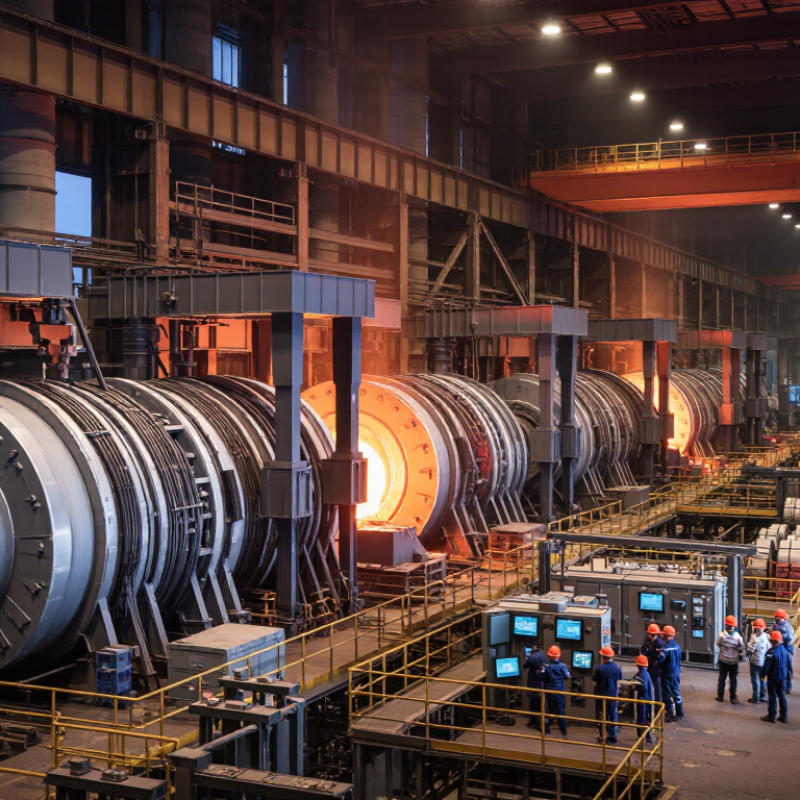
7 Best Chrome Iron Furnace Manufacturers for Global Buyers

What Chrome Iron Furnaces Do and Where They Are Used

A chrome iron furnace produces ferrochrome by reducing chromium-bearing ore at high temperatures. Many industrial operations use submerged-arc furnaces, where electric current passes through electrodes and a carbon-rich charge. Inside, heat melts the burden and supports chemical reactions that separate metal from much of the ore’s waste material. The exact recipe depends on ore chemistry, desired carbon content, and furnace design. Small changes matter.

Operators commonly monitor power, electrode position, feed rate, and off-gas conditions. These details affect energy use and alloy consistency. A practical example is adjusting the charge when incoming chromite contains more moisture or gangue than expected. It sounds simple, but production conditions rarely stay perfectly steady.

The resulting ferrochrome is an important source of chromium for stainless steel, helping improve corrosion resistance and hardness. It is also used in selected alloy steels and foundry applications where specific material properties are required. Buyers should consider the furnace’s capacity, energy supply, raw-material range, and emissions-control equipment together. A large furnace is not automatically the right choice. Plant layout, maintenance skills, and local power reliability can be just as important, though these factors are easy to overlook during equipment comparisons.

Key Criteria for Evaluating Furnace Manufacturers

When evaluating chrome-iron furnace manufacturers, compare measurable performance, not brochure claims. Check guaranteed electricity use in kWh per tonne, chromium recovery, electrode consumption, tapping time, and refractory service life. Request test results for a defined ore blend, charge size, and power supply. Without those conditions, performance figures are hard to compare.

Short answer: demand proof.

The IEA’s Iron and Steel Technology Roadmap (2020) estimates annual iron and steel emissions at 2.6 Gt of CO2. It places this near 7% of global energy-system emissions. This is not a ferrochrome benchmark, but it highlights why buyers should verify energy metering, off-gas handling, and dust-control performance.

Inspect transformer capacity, cooling circuits, electrode regulation, and furnace-shell design. Ask for acceptance-test limits and written procedures for shutdown recovery. Also check spare-part lead times, commissioning scope, operator training, and service response.

A low purchase price may hide costly downtime. Paper claims fade fast. Request references for furnaces processing similar ore blends and operating at comparable capacities; even then, site conditions can change the results.

Profiles of Seven Chrome Iron Furnace Manufacturers

Profiles of Seven Chrome Iron Furnace Manufacturers

A practical comparison of seven manufacturer types starts with their engineering strengths. One focuses on custom furnace layouts for plants with limited floor space. Another builds high-capacity units and emphasizes stable temperature control. A third specializes in energy monitoring, while a fourth offers modular systems that simplify installation. These are capability profiles, not endorsements; confirm each supplier’s current products and references.

The remaining profiles include a maker known for refractory design, one with strong commissioning support, and one serving buyers who need flexible production ranges. Ask how each furnace handles heat distribution, lining wear, and routine maintenance. Request drawings, operating data, and service terms in writing. A smooth sales presentation is not proof of reliable performance. Details matter.

Tips: Compare like with like. Check output assumptions, fuel requirements, and local service coverage before requesting a quotation. Speak with a recent customer if possible. Even careful comparisons leave uncertainties, so record what still needs verification.

Comparing Furnace Designs, Capacity, and Technical Support

When comparing chrome iron furnace designs, match the process to the feed. Submerged-arc furnaces suit many ferrochrome operations, while feed size, ore chemistry, and power stability shape real performance. A large nameplate rating proves little on its own. Ask manufacturers for operating data from comparable feedstocks and electrode consumption records.

Capacity needs context. The World Stainless Association’s Stainless Steel in Figures 2024 reports 58.4 million tonnes of stainless steel production in 2023, a useful indicator of downstream demand, not a furnace-sizing formula. Compare rated MVA with guaranteed tonnes per day, expected availability, and energy use per tonne. Small details matter. Request assumptions for ore grade, reductant, and planned maintenance; otherwise, capacity figures can mislead.

Technical support can decide whether a plant recovers quickly from a stoppage. Check commissioning scope, operator training, spare-parts lead times, and access to furnace-control specialists. Ask for clear service response times and references from comparable installations. The International Energy Agency’s Iron and Steel Technology Roadmap highlights the sector’s substantial energy and emissions challenges, making efficiency data worth scrutinizing. Some proposals still lack transparent measurement boundaries. Flag that gap, and ask how energy figures were calculated.

7 Chrome-Iron Furnace Design Options: Typical Rated Power Ranges

An equipment-level comparison for global buyers. No manufacturers or brands are shown.

Bars show indicative rated-power ranges in MVA, not production capacity or a manufacturer ranking. Actual ratings vary with furnace design, feed material, operating practice, and project scope. Compare process suitability, energy use, automation, commissioning, and technical support before selecting equipment.

Global Sourcing Factors for Chrome Iron Furnace Buyers

Global buyers comparing chrome iron furnaces should look beyond quoted capacity. Ask how output was measured, which feed materials were used, and whether the figures reflect continuous operation. A furnace tested with one ore blend may perform differently with another. Small details matter.

Check the supplier’s engineering records, production history, and quality-control documents. Request drawings that show furnace dimensions, electrode arrangements, cooling systems, and material specifications. Ask for references from installations with similar operating conditions. A video call can help, but it cannot reveal every workshop limitation. When possible, arrange an independent inspection before shipment.

Logistics deserve equal attention. Confirm the packed dimensions, shipping weight, lifting points, and spare-parts list before signing a purchase agreement. Clarify commissioning support, operator training, and response times for technical questions. These services can affect start-up more than a minor price difference. Keep the details in writing.

Communication is another sourcing factor. A clear quotation should separate equipment, transport, installation, and optional services. Check which measurements and units appear in technical documents; mixed units create avoidable confusion. Buyers should also compare warranty terms and realistic delivery schedules, not just headline promises. Some claims may sound impressive, yet remain difficult to verify. That deserves a second look.

7 Best Chrome Iron Furnace Manufacturers for Global Buyers - Global Sourcing Factors for Chrome Iron Furnace Buyers

Use these seven criteria to compare furnace manufacturers. They are sourcing factors, not a ranked list of named suppliers; confirm specifications and performance claims directly with each manufacturer.

Evaluation factor What buyers should check Useful evidence to request Global sourcing consideration
1. Alloy and process experience Confirm experience with high-chromium cast iron and the buyer’s required grades, charge materials, and production process. Relevant project references, process descriptions, and sample melt or commissioning records. Ask for references in comparable applications and markets; alloy requirements and operating practices can differ by foundry.
2. Furnace type and application fit Compare the proposed furnace type—such as induction, electric arc, or cupola—against the required melt schedule, plant layout, and utilities. Process-flow diagram, equipment list, layout drawings, and stated operating assumptions. The best choice depends on local electricity or fuel supply, emissions rules, existing equipment, and the foundry’s operating model.
3. Capacity and performance guarantees Check rated capacity, expected melt rate, operating cycle, and the conditions under which quoted performance is measured. A written technical offer defining charge material, starting conditions, measurement method, and acceptance-test criteria. Compare offers on the same basis; capacity or energy figures without test conditions may not be directly comparable.
4. Chemistry control and process monitoring Review temperature measurement, power control, sampling procedures, and how the proposed process supports the buyer’s chemistry-control plan. Control-system description, instrument list, sample procedures, and documented commissioning checks. Specify measurement units, data access, calibration responsibilities, and operator training in the purchase contract.
5. Refractory and wear-part support Confirm refractory recommendations, installation requirements, inspection practices, and the supplier’s guidance for the intended alloy and operating conditions. Refractory specification, maintenance instructions, consumables list, and replacement-part lead times. Check availability of qualified local installation support and the cost and shipping time of recurring consumables.
6. Safety, emissions, and compliance Identify required guarding, interlocks, cooling or extraction systems, and applicable electrical, workplace-safety, and environmental requirements. Risk assessment, equipment documentation, compliance declarations where applicable, and emissions-system specifications. Confirm local regulatory requirements before ordering; responsibility for permits and site approvals should be clearly allocated.
7. Installation, service, and total cost Assess installation scope, commissioning, operator training, warranty terms, remote support, and access to spare parts. Itemized quotation, delivery schedule, warranty exclusions, service response terms, and recommended spare-parts list. Compare total landed and operating costs, including freight, duties, installation, utilities, maintenance, and service availability.
Go to Top