Best Cnc Lathe Machine Options for Precision Engineering?
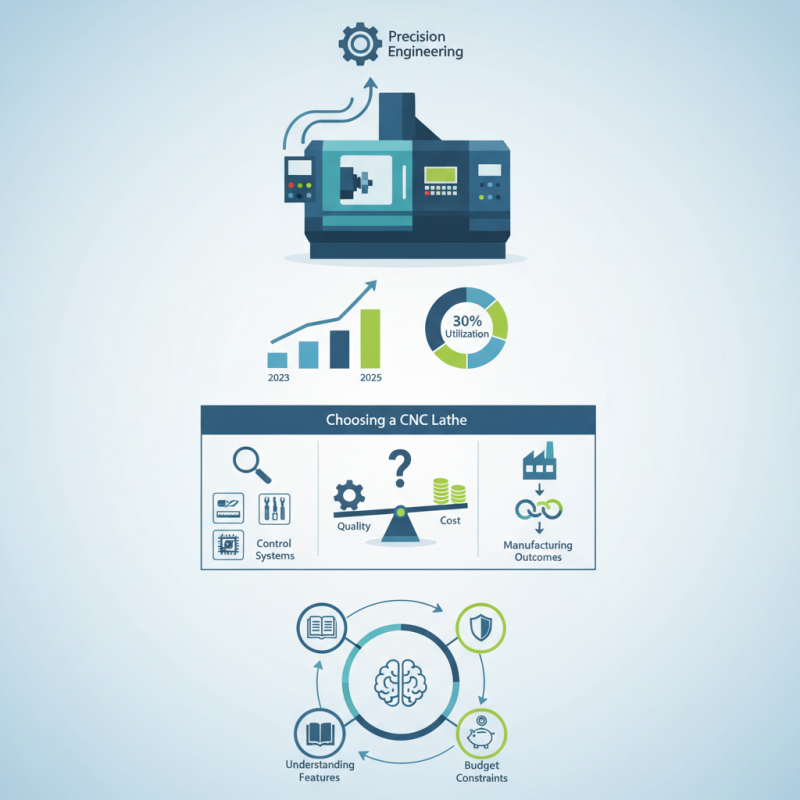
In the world of precision engineering, the Cnc Lathe Machine stands as a crucial tool. According to recent industry reports, the global CNC machine market is expected to reach $100 billion by 2025. This growth is driven by the rising demand for high-quality components in manufacturing. CNC lathes provide unmatched accuracy, enabling engineers to produce complex parts with tight tolerances.
However, choosing the right CNC lathe machine can be challenging. Many options exist, each catering to different needs. Engineers must consider factors like size, capabilities, and control systems. Reports indicate that less than 30% of manufacturers are fully utilizing CNC technology. This underrepresentation suggests a gap in understanding what features matter most.
While some machines boast advanced features, they may not always align with every application. Budget constraints further complicate the decision-making process. Engineers often wrestle with finding a balance between quality and cost. Reflecting on these aspects can lead to better choices and, ultimately, enhance manufacturing outcomes.
Best Cnc Lathe Machine Overview for Precision Engineering
When it comes to precision engineering, the choice of a CNC lathe machine is critical. A good machine ensures accuracy and reliability. Features like spindle speed and turning diameter greatly impact performance. Some machines excel in creating intricate parts, while others focus on bulk production. It's essential to assess the specific needs before making a choice.
Consider the design and construction of the machine. Sturdy materials make a big difference in stability and precision. Sometimes, lower-priced options compromise on this aspect. The control system is another vital element. Intuitive interfaces can simplify the programming process. However, a steep learning curve exists with some models. It's crucial to weigh ease of use against the complexity of tasks planned.
Customization options should also be factored in. Each engineering project has unique requirements. Machines that offer flexibility can adapt better to various tasks. Reviewing user experiences can reveal valuable insights. Yet, not every feature touted is essential for every user. Finding the right balance between capabilities and needs is key.
Key Features to Consider in CNC Lathe Machines
When choosing CNC lathe machines, several key features stand out. Precision is vital in engineering. Look for machines with high resolution and accuracy. Similar reports indicate that a spindle-speed variation of just 200-400 RPM can affect precision. A robust build quality is non-negotiable for stability during operations.
Consider the control interface as well. User-friendly software can significantly enhance productivity. Some systems allow for easier programming and real-time monitoring. Intuitive controls can reduce training time for operators, which is a crucial point.
Tip: Pay attention to the machine's drivetrain technology. High-performance drivetrains can lead to better tool life and reduced downtime. However, always assess your specific needs and applications. What works for one project may not suit another. Regularly re-evaluate your choices based on emerging technology and market trends. Stay flexible and open-minded in your decision-making process.
Top Brands and Models for Precision CNC Lathes
When selecting CNC lathes, brands and models make a significant difference. Precision engineering relies on the machine's capabilities. The best CNC lathes offer exceptional accuracy and reliability. Some machines excel in high production settings, while others shine in custom, intricate designs. Each model has unique features that can cater to specific needs.
Consider a product that offers user-friendly interfaces and advanced programming options. This allows engineers to optimize their workflow easily. Machine size and tooling options also play a crucial role. Some lathes support a wide range of material types, enhancing versatility. Durability is important too; machines wear down with time and usage.
It's vital to evaluate customer feedback for real-world performance. Often, the latest models may not live up to expectations. Sometimes, less widely known machines outperform popular choices. Look for machines that balance cost and performance wisely. Investing in training is essential; not all operators can maximize a machine's potential. Advanced machines require skill and understanding to operate effectively.
Best CNC Lathe Machine Options for Precision Engineering
| Model | Max Swing Diameter | Max Turning Length | Spindle Speed (RPM) | Control Type | Weight (lbs) |
| Model A | 20 inches | 40 inches | 3000 RPM | CNC | 4000 |
| Model B | 24 inches | 60 inches | 2500 RPM | CNC | 4500 |
| Model C | 18 inches | 30 inches | 3500 RPM | CNC | 3700 |
| Model D | 22 inches | 50 inches | 2000 RPM | CNC | 4800 |
Applications of CNC Lathes in Precision Engineering
CNC lathes play a crucial role in precision engineering. Their abilities to create complex geometries set them apart. According to a recent industry report, nearly 70% of manufacturers rely on CNC lathe technology for high precision tasks. This is evident in the automotive and aerospace sectors, where precision is non-negotiable.
In automotive manufacturing, CNC lathes produce parts like axles and gears. These components require exact measurements for optimal performance. The error margin in these applications is often less than 0.01 mm. This level of accuracy is challenging but enables safety and efficiency in vehicle production. However, the initial setup can be time-consuming. Learning curves for operators can lead to mistakes, affecting output quality.
Moreover, CNC lathes are valuable in medical device manufacturing. They create tailored components like surgical instruments, needing strict adherence to specifications. A report noted that 80% of medical manufacturers use CNC lathes for machining intricate parts. Despite advancements, issues like tool wear and machine calibration errors can arise. Addressing these problems requires continuous training and maintenance, highlighting the need for improvement in operational processes.
Maintenance Tips for Optimal CNC Lathe Performance
Maintaining a CNC lathe properly is crucial for achieving precision and longevity. First, regular lubrication significantly impacts performance. Use high-quality oil to reduce friction. Pay attention to the leadscrew and other moving parts. Over time, neglecting this can lead to wear and possible malfunction.
Additionally, check the alignment of the CNC lathe often. Misalignment can cause dimensional inaccuracies. Inspect the bed and tailstock periodically. Minor adjustments can sometimes resolve significant issues. It often takes time to notice these misalignments, and by then, they may have affected several pieces.
Coolant levels play a vital role too. Low coolant can lead to overheating and damage. Monitor the fluid regularly. Clean the coolant tank and replace fluid as necessary. Neglecting this aspect can create a harmful environment for the machine and your workpieces. Remember that maintaining these components is an ongoing task, not a one-time fix. Consistency is key.