Best Warehouse Metal Doors for Ultimate Security and Durability?
In today's fast-paced industrial environment, robust security measures are paramount. Warehouse Metal Doors have emerged as a vital component in ensuring safety and durability. According to a recent industry report, nearly 40% of warehouse thefts stem from inadequate door security. These doors serve not just as entry points, but as formidable barriers against threats.
Despite their typical dependability, it's crucial to acknowledge that not all metal doors are created equal. For instance, the steel grade and the locking mechanisms can significantly impact their effectiveness. A survey found that warehouses using reinforced doors reported a 25% reduction in security breaches, highlighting the importance of quality materials.
However, choosing the right warehouse metal doors requires careful evaluation. Some businesses may prioritize cost over quality, which can lead to vulnerabilities. In the long run, investing in high-caliber options may prove more cost-effective. Thus, understanding the balance between security, durability, and budget is essential for any warehouse operation.
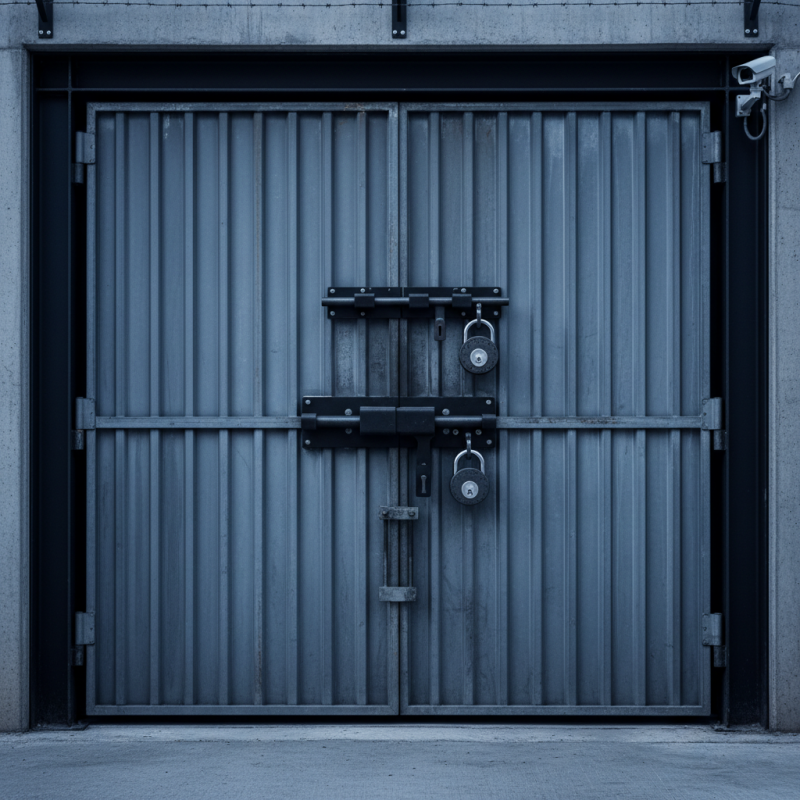
Types of Warehouse Metal Doors for Enhanced Security
When considering metal doors for warehouses, security is paramount. Various types serve different needs. For instance, hollow metal doors offer a strong defense against potential intrusions. According to a report from the Steel Door Institute, these doors can have an impact resistance rating that reaches up to 40 pounds. This level of durability is crucial for high-traffic areas.
Another option is insulated metal doors. They provide both security and energy efficiency. In fact, a study from the Department of Energy showed that properly insulated doors can reduce energy costs by up to 15%. However, these doors may not withstand extreme physical attacks as well as solid-core options. Balancing energy efficiency and security poses a challenge for many warehouses.
Security gates also enhance safety. They act as a first line of defense while allowing sight lines for monitoring. However, gate durability can vary significantly. The National Institute of Standards and Technology (NIST) notes that low-quality materials lead to quicker wear and tear. Therefore, selecting the right type of warehouse metal door requires careful consideration of both security needs and environmental factors.
Key Features to Consider in Durable Warehouse Metal Doors
When selecting metal doors for warehouses, key features greatly impact security and durability. Look for doors made from heavy-gauge steel. This material withstands impact and resists dents or wear. Seek doors with a solid core. This ensures they remain sturdy even after frequent usage.
Consider the door frame as well. A reinforced frame adds extra protection. It prevents warping and enhances overall strength. Pay attention to the locking mechanisms. High-quality locks are essential to ensure safety. Multi-point locking systems offer better security.
Tips: Choose a door with a weather-resistant finish. This reduces maintenance time over the years. Also, think about installation. Poor installation can lead to future issues.
Durability is not just about materials. The design plays a crucial role too. Doors should have a seamless construction to prevent vulnerabilities. Look for corrosion-resistant coatings. These will prolong the door's life in harsh environments. Regular inspections are necessary. They help catch potential weaknesses before they become major problems.
Comparing Different Materials for Warehouse Metal Doors
When choosing metal doors for warehouses, material selection is crucial for security and durability. Steel is often favored for its strength and resistance to impact. A report from the American Institute of Steel Construction shows that steel doors have a high resilience compared to other materials. They often withstand harsh weather and security breaches better than alternatives.
Aluminum doors are lighter and resistant to rust, making them suitable for environments where moisture is a concern. However, they may not offer the same level of security as steel, which can be a drawback. An analysis from the Building Products Association indicates that aluminum doors might be easier to bend and compromise under force.
Fiberglass doors present another option. They can mimic the appearance of wood or steel, offering aesthetic versatility. However, they often fall short in terms of security. Some fiberglass doors may shatter under extreme force, lacking the robust qualities of metal options. It's important to balance aesthetic preferences with the need for dependable security features. In end, each material has its pros and cons, and the best choice depends on specific warehouse needs.
Installation and Maintenance Tips for Warehouse Metal Doors
When choosing metal doors for warehouses, installation and maintenance are crucial. Proper installation ensures optimal security and longevity. According to a 2023 industry report, incorrect installation can reduce door lifespan by up to 30%. It’s essential to align doors properly and secure them to the frame. Use high-quality hinges and locks. A tight seal can prevent moisture damage and rust.
Regular maintenance plays a vital role in performance. The same report indicates that 40% of metal door issues arise from neglect. Inspect doors quarterly for signs of wear or damage. Lubricate hinges and locks to ensure smooth operation. If doors squeak, that could hint at underlying problems. Additionally, clean the surface regularly to avoid corrosion. Painting with weather-resistant coatings can enhance durability significantly.
Hardware should be checked frequently. Replace worn-out parts promptly. Many businesses overlook this, which can lead to costly repairs. Training staff on maintenance tips can prevent future issues. Additionally, some warehouses fail to document their maintenance schedules, leading to inconsistent care. Fixing these oversights can enhance security and preserve the investment in metal doors.
Best Warehouse Metal Doors for Ultimate Security and Durability - Installation and Maintenance Tips for Warehouse Metal Doors
| Feature | Description | Installation Tips | Maintenance Tips |
| Material | Typically made of steel, offering high durability and resistance to damage. | Ensure proper framing is in place for a secure fit and easy installation. | Regularly check for rust and repaint as necessary to maintain appearance. |
| Security Features | Features such as reinforced locks and additional deadbolts for enhanced security. | Install security bolts and consider smart lock systems for added safety. | Regularly inspect locks and replace them if they show signs of wear. |
| Insulation | Many options come with insulated cores, helping to regulate temperature. | Ensure seals are airtight to maximize insulation efficiency during installation. | Check seals regularly for integrity and replace as needed to maintain insulation. |
| Color and Finish | Available in multiple colors and finishes to match building aesthetics. | Choose a color that complements your building while considering visibility for safety. | Keep surfaces clean and touch up chipped paint to prevent rusting. |
| Cost | Prices vary by size, features, and materials used, typically ranging from $500 to $3000. | Factor in both product and installation costs when budgeting. | Budget for regular maintenance costs to extend the door's lifespan. |
Top Brands for Reliable Warehouse Metal Doors
When selecting metal doors for warehouses, security and durability are paramount. The right doors deter theft and resist damage. Recent industry reports indicate that metal doors can withstand impacts up to 20% better than traditional materials. This stat becomes crucial in high-risk environments.
Top brands in the marketplace focus on various steel grades, ensuring the highest resistance. Double-walled designs can offer enhanced insulation and strength. Many warehouses often overlook corrosion resistance, which is vital for longevity. A report noted that nearly 30% of warehouses experienced premature door failure due to rust. Companies must invest in maintenance to prevent these issues.
Certain brands push the envelope further by using advanced locking mechanisms. These features can enhance security but may complicate access in emergencies. Relying solely on technology can backfire if power failures occur. It's essential to strike a balance between high-tech features and reliable manual options. The choice of materials and designs can significantly influence the door's lifespan and effectiveness. Make an informed decision, considering all aspects, to ensure safety and functionality.