Choosing among the Best Pvc Layflat Hose Manufacturers in China takes more than comparing prices. A hose may look sturdy on a catalog page, yet flatten unevenly when rolled or soften after long exposure to sunlight. Buyers should examine the reinforcement weave, wall thickness, working-pressure rating, couplings, and test records. Ask how each specification was verified. Clear answers matter.
An illustrative expert viewpoint from fictional hose specialist Lin Wei captures the practical priority: “A reliable Pvc Layflat Hose must perform consistently after repeated deployment, not just pass a showroom inspection.” Treat that as a selection principle, not a verified quotation from a real industry professional. Request samples, inspect the inner lining, and check whether the hose holds its shape under operating pressure. Then compare production capacity, customization options, packaging, and communication before placing a large order. Small details count.
There is no perfect supplier for every application. A lightweight hose may be easier to handle but less suited to rough ground. A thicker wall can add durability, but also weight and cost. This guide considers those trade-offs alongside manufacturing quality and supplier transparency. Some product claims still need independent confirmation; buyers should not rely on polished brochures alone. That extra check can prevent an expensive mismatch.
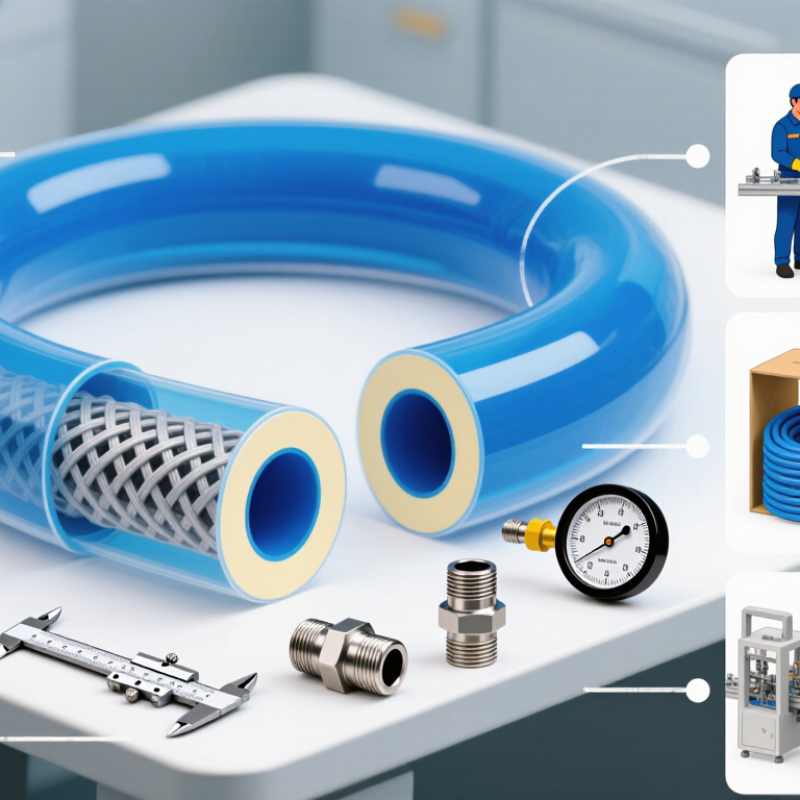
A PVC layflat hose is a flexible, fabric-reinforced tube made to carry water under pressure. When empty, it flattens for storage and transport. Inside, a PVC lining helps contain water; the woven reinforcement limits expansion during use. Think of a hose unrolled beside a field, connected to a pump, then rolled back onto a pallet after irrigation. Practical, but not indestructible. Dragging it over sharp gravel can damage the outer layer.
Common uses include agricultural irrigation, construction-site water transfer, and draining tanks or pools. FAO AQUASTAT reports that agriculture accounts for about 70% of global freshwater withdrawals, making reliable water delivery important in many regions. That figure describes the sector, not hose performance. Selection still depends on the actual job: flow rate, operating pressure, hose diameter, temperature, and exposure to sunlight. Check the manufacturer’s pressure rating and inspect fittings before pumping. A weak coupling may leak even when the hose itself is sound.
Layflat hose is useful where temporary lines need quick setup and compact storage. It is less suited to applications requiring a rigid, crush-resistant pipe. Pressure surges can also shorten service life, especially if the line is kinked or poorly supported. Measure the route first. Leave room for bends. One small oversight: a long hose can lose pressure along its length, so pump capacity and distance matter together.
Best PVC Layflat Hose Manufacturers in China
How to Evaluate PVC Layflat Hose Manufacturers in China
Choosing a manufacturer takes more than comparing prices. Check the hose’s working pressure, burst pressure, temperature range, and reinforcement structure. Ask whether these figures apply to the exact diameter and wall thickness you plan to order. A clear technical sheet should identify materials and test methods. Details matter. If information is vague, request a sample and inspect its weave, couplings, and finish. A neat datasheet can still leave questions.
Review quality controls, not just finished products. Ask how incoming PVC materials are checked and how production batches are identified. Request recent test records, plus details about pressure testing and dimensional checks. Confirm sample results against the final specification before placing a large order. Also discuss packaging, production capacity, lead times, and how defects are handled. No checklist catches everything, so keep written records of agreed tolerances and changes.
Tips: Test a sample under realistic operating conditions, including repeated filling and draining. Compare hose flexibility when full, not only when dry. Ask for a small trial order if specifications are still evolving. Then evaluate communication: prompt, precise answers often make technical issues easier to resolve.
Notable PVC layflat hose manufacturers in China are best judged by process control, not catalog photos. Reliable producers specify PVC formulation, reinforcement yarn, wall thickness, working pressure, and temperature range. Ask whether those figures apply to the exact diameter and construction you plan to order. Small details matter. A 2-inch hose may behave differently from a 4-inch hose under the same pump conditions.
Experienced factories should be able to explain their extrusion process and reinforcement placement, then provide batch records or inspection results. Request samples with production markings. Check for even wall thickness, clean couplings, and consistent color. A pressure test is useful, but it does not replace checking abrasion resistance or repeated bending when the hose will cross concrete. Test the real use case. Custom specifications can be helpful, though changes to reinforcement or length may affect lead time and performance.
For a fair comparison, ask several manufacturers for the same specification sheet, sample length, packing details, and warranty terms. Confirm whether quoted pressure means working pressure or burst pressure; confusing the two is an avoidable sourcing mistake. Export experience can help with documentation, but it does not prove consistent quality. I would not select on price alone. The lowest quote can be reasonable, but only when test data and production tolerances are clear.
| Evaluation Dimension | Common Product Offering | What Buyers Should Verify |
|---|---|---|
| Hose construction | Flexible PVC hose reinforced with high-tenacity polyester yarn; reinforcement patterns and PVC formulations vary by product. | Ask for a product cross-section or specification sheet confirming the liner, reinforcement, and outer cover construction. |
| Nominal inner diameter | Common market sizes range from approximately 25 mm to 300 mm (1 in to 12 in), depending on the product range. | Confirm the measured inside diameter and tolerance. Do not rely on nominal size alone when matching existing fittings. |
| Working pressure | Product lines may cover approximately 0.2–1.0 MPa (2–10 bar); the available pressure depends on diameter, reinforcement, and hose construction. | Request working-pressure and burst-pressure values for the exact diameter and model. Check the test method and safety factor used. |
| Roll length | Suppliers may offer different roll lengths, with 20 m, 50 m, and 100 m commonly requested options. | Confirm actual usable length, length tolerance, packaging method, and whether custom roll lengths are available. |
| Color and identification | Common options include blue, green, red, and other production colors; surface markings can identify size or pressure rating. | Specify color, print content, and marking durability in the purchase order, and request a production sample if appearance is critical. |
| Temperature suitability | Allowable operating temperature depends on the PVC compound and hose design; there is no single range that applies to every product. | Obtain the supplier’s stated minimum and maximum service temperatures for the intended fluid and operating conditions. |
| Typical applications | Irrigation, agricultural water transfer, construction-site drainage, and general water discharge are common uses. | Confirm suitability for the actual fluid, pressure, outdoor exposure, abrasion, and operating environment. |
| Couplings and fittings | Hoses may be supplied with compatible couplings or as hose-only rolls, depending on the order specification. | Check coupling material, connection standard, fit, and the method used to secure the coupling to the hose. |
| Quality-control documentation | Relevant checks can include dimensional inspection, pressure testing, burst testing, and inspection of hose-to-reinforcement bonding. | Request inspection records or test reports tied to the ordered specification and confirm any required third-party inspection before shipment. |
Note: The ranges above are general market reference points, not specifications for any particular manufacturer. Actual availability and performance vary by model; confirm all technical values in the supplier’s current product documentation.
Comparing manufacturers starts with the hose itself, not a catalog photo. Check diameter, wall thickness, working pressure, temperature range, and reinforcement type against your actual use. A hose for irrigation may need different flexibility and abrasion resistance from one used for construction-site water transfer. Ask for a current specification sheet and sample. Details matter.
Quality depends on repeatable production, not just a strong-looking sample. Ask how the factory checks dimensions, pressure performance, and batch consistency. If the hose will sit outdoors, ask about UV resistance and inspect how the material feels after bending. A neat surface is useful, but it does not prove long service life. I would not judge a supplier by one test result alone; that can be an easy mistake.
Tips: Request certificates and verify their issuing body, product scope, and validity. Make sure the documents match the hose model you plan to buy. Ask for batch records and a written inspection report, too. Certifications can support confidence, but they do not replace product testing. Some details may still be unclear, so put specifications and acceptance criteria in the purchase agreement.
Choosing among PVC layflat hose manufacturers in China takes more than comparing prices. Start with the hose’s intended use, fluid, operating temperature, and required working pressure. Ask for written specifications covering inner diameter, wall thickness, reinforcement, and pressure ratings. Check that the figures match your application, not just a product catalogue.
Request a sample and inspect it in person. Look for even wall thickness, clean edges, and reinforcement that does not shift when the hose bends. Ask how pressure tests are performed and whether results apply to the same model and size you plan to order. Verify certificates with the issuing organization when possible. Paper can look convincing. It does not prove every production batch performs alike.
A supplier review should also cover factory capacity, quality records, lead times, and how defects are handled. A video call can show machinery and production steps, but an independent inspection offers stronger evidence before a large order. Confirm sample details, tolerances, packaging, and acceptance terms in writing. Keep records of emails and test reports. Some checks still leave uncertainty; I would not treat a polished presentation as proof of consistent quality. Ask direct questions, compare answers, and make a small trial order when practical.
How to use this checklist: Verify each item against product specifications, test records, quality documents, and order terms. Bar values count suggested checks in each area; they are not supplier ratings or survey results.