Stainless steel welding supports food-processing lines, medical equipment, chemical tanks, architectural structures, and precision assemblies. Its clean appearance can hide serious risks. Heat tint, distortion, chromium oxidation, and contamination may weaken performance long before rust becomes visible.
The International Stainless Steel Forum reported approximately 58.4 million tonnes of global stainless crude steel production in 2023. That scale reflects strong demand, but it also raises buyer expectations for consistent joining quality. The seven methods in this guide include TIG, MIG, SMAW, FCAW, SAW, laser welding, and resistance welding. Each process behaves differently around thin sheet, heavy plate, narrow gaps, and complex stainless grades.
No method wins every joint. That matters.
Experienced buyers should compare penetration, shielding control, production speed, operator skill, equipment cost, and post-weld cleaning. A bright TIG bead may look excellent, yet it can become inefficient on long production seams. Laser welding may reduce distortion, but its capital cost and fit-up requirements can challenge smaller workshops. These trade-offs deserve more attention than attractive catalog claims.
AWS D1.6/D1.6M provides widely recognized guidance for structural stainless steel welding. ISO 5817 also defines quality levels for imperfections in fusion-welded joints. Buyers should request qualified procedures, traceable filler metals, and inspection records aligned with the project specification. The ISSF publication Stainless Steel in Figures offers useful production context, while independent testing remains essential for critical applications.
This guide compares practical strengths and limitations. It also asks an uncomfortable question: are buyers choosing the process, or merely repeating supplier habits? Sometimes, the cheaper weld becomes the expensive repair.

Stainless steel welding is not one simple purchase decision. Buyers should compare seven methods: TIG, MIG, flux-cored, stick, submerged arc, resistance spot, and laser welding. TIG offers the cleanest control for thin sheet and visible joints. MIG is faster for production work. Flux-cored and stick welding tolerate outdoor conditions better, but they create more cleanup. Submerged arc suits long, heavy seams. Spot welding fits overlapping sheets. Laser welding can reduce distortion, but it demands accurate joint preparation and costly equipment.
Material selection comes before machine selection. World Stainless reported 58.4 million tonnes of stainless steel production in 2023, showing the scale of this market. Yet every grade reacts differently to heat. Austenitic grades may suffer distortion, while ferritic and duplex grades require tighter heat control. AWS D1.6 and ISO 15614-1 support qualified procedures, but paperwork cannot replace a practical weld test. Buyers should check filler compatibility, shielding gas purity, heat input, operator training, and post-weld cleaning. U.S. Bureau of Labor Statistics data projects a 2% employment decline for welders from 2023 to 2033. Skilled labor may become harder to schedule.
Tips: Request a sample weld before ordering. Measure distortion after cooling. Keep stainless tools separate from carbon steel. Even small iron particles can trigger surface rust. I have seen buyers focus on arc speed and ignore contamination. That mistake is expensive. Ask for procedure records, inspection results, and corrosion testing. A polished weld is not automatically a reliable weld.
7 Best Stainless Steel Welding Methods for Buyers?
How the Seven Main Stainless Steel Welding Methods Work
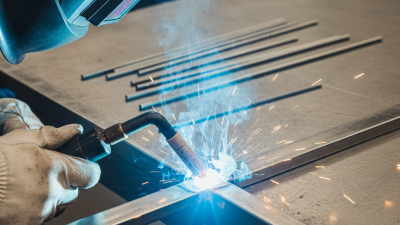
Stainless steel welding depends on heat control, shielding, joint design, and surface cleanliness. TIG welding uses a nonconsumable tungsten electrode and separate filler wire. It produces precise, clean beads for thin sheet, tubing, and visible joints. MIG welding feeds a continuous wire through the torch, making production work faster. Flux-cored welding uses a tubular wire filled with flux. It handles outdoor conditions better, but slag removal and fumes require attention. Stick welding uses coated electrodes and suits repairs, thicker sections, and difficult access.
Resistance spot welding clamps overlapping sheets between copper electrodes. Electrical resistance creates heat at the contact point, forming a compact weld nugget. It is efficient for repeated sheet-metal assemblies. Plasma arc welding constricts an arc through a small nozzle, creating a focused heat source. It can deliver deep, narrow welds, though setup demands careful control. Laser beam welding concentrates intense light on a small area. This reduces distortion and supports high-speed automated work, but fit-up must be exact.
That distinction is easy to miss.
From practical fabrication work, TIG often gives the best visual control, not always the lowest cost. MIG may improve output, yet excessive heat can discolor stainless steel and reduce corrosion resistance. Buyers should check thickness, production volume, access, tolerances, and available ventilation before choosing. Test coupons reveal more than attractive sample photos. I have seen clean-looking welds fail after poor cleaning or unsuitable shielding gas. A qualified welding procedure, trained operator, and post-weld surface treatment remain essential for dependable results.
| Welding Method | How It Works | Typical Shielding | Common Thickness Range | Main Advantages | Key Limitations | Suitable Applications | Buyer Suitability |
|---|---|---|---|---|---|---|---|
| TIG / GTAW | A non-consumable tungsten electrode creates the arc. Filler metal is added separately when required, allowing precise control of the weld pool. | Argon is commonly used; helium or argon-helium mixtures may be used for additional heat input. | Best for thin to medium sections, approximately 0.5–6 mm per pass; thicker parts can be welded with multiple passes. | Excellent appearance, accurate heat control, clean welds, low spatter, and strong performance on thin stainless steel. | Slower deposition rate; requires high operator skill and clean joint preparation. Wind can disturb shielding gas. | Food and beverage equipment, sanitary tubing, medical components, tanks, piping, and precision fabrication. | Best for precision |
| MIG / GMAW | A continuously fed stainless steel wire acts as both electrode and filler metal. The arc melts the wire and base metal to form the joint. | Argon-rich mixtures with small additions of carbon dioxide, oxygen, or helium are selected according to the transfer mode and material. | Commonly used for approximately 1.5–12 mm; heavier sections may require multiple passes. | Higher productivity than TIG, continuous filler supply, suitable for automation, and effective on medium-to-thick material. | More spatter and heat input than TIG; gas selection and parameter control are important for stainless steel corrosion resistance. | Fabricated frames, process equipment, pressure vessels, stainless furniture, and production assemblies. | Best for productivity |
| SMAW / Stick Welding | A flux-coated consumable electrode produces the arc. The coating generates shielding gas and slag as it melts, protecting the weld pool. | Shielding is produced by the electrode flux, so no external gas cylinder is normally required. | Generally effective from about 3 mm upward; multiple passes are used for thicker material. | Portable, versatile, suitable for outdoor work, and less sensitive to wind than gas-shielded processes. | Slower than wire processes; electrode changes interrupt work, and slag must be removed between passes. | Maintenance, construction, field repairs, structural assemblies, and stainless steel pipe work. | Best for field work |
| FCAW / Flux-Cored Arc Welding | A continuously fed tubular wire contains flux. The flux forms shielding and slag; some wires also require external shielding gas. | Self-shielded wires use internal flux; gas-shielded wires commonly use an argon-based mixture or carbon dioxide-containing gas. | Often used for approximately 3–20 mm and for high-deposition work on thicker components. | High deposition rate, good penetration, suitable for outdoor or heavy fabrication when self-shielded wire is used. | Produces slag and fumes; stainless-specific consumables are required, and surface cleaning is necessary between passes. | Heavy equipment, large tanks, structural fabrication, repair work, and outdoor stainless assemblies. | Best for high deposition |
| Resistance Spot Welding | Two electrodes clamp overlapping sheets and pass a controlled electrical current through them. Resistance heating forms a localized weld nugget under pressure. | Normally no external shielding gas is needed because the weld is enclosed between the sheets and electrodes. | Most suitable for overlapping sheet metal, commonly about 0.4–3 mm per sheet depending on equipment and joint design. | Very fast, repeatable, low filler consumption, low distortion, and well suited to automated production. | Primarily limited to lap joints; access is required from both sides, and nugget quality depends on electrode condition and settings. | Appliance panels, cabinets, automotive components, sheet enclosures, and mass-produced assemblies. | Best for sheet production |
| Laser Beam Welding | A focused laser beam melts a narrow region of the joint. The process may operate by conduction mode or by creating a deep keyhole weld. | Argon, helium, or nitrogen may be used to protect the molten pool and hot stainless surface from oxidation. | Commonly used for thin to medium sections, from sheet metal to several millimeters, depending on laser power and joint fit-up. | High speed, narrow heat-affected zone, low distortion, deep penetration, and strong suitability for robotic production. | High equipment cost; requires accurate fit-up, process control, safety systems, and qualified operating procedures. | Precision components, battery cases, heat exchangers, electronics enclosures, and automated manufacturing. | Best for automation |
| Plasma Arc Welding | A constricted plasma arc passes through a small orifice, creating a concentrated, high-temperature arc. Filler metal can be added separately. | A plasma gas and a shielding gas are used; argon and argon-based mixtures are common choices. | Suitable for thin sheet and medium sections; keyhole mode can weld several millimeters in one pass with suitable equipment. | Stable arc, concentrated heat, good penetration, consistent welds, and potential for mechanized production. | More complex and expensive than basic TIG; torch alignment, gas flow, and parameter settings require careful control. | Precision tubing, aerospace components, stainless vessels, heat exchangers, and repeatable industrial welds. | Best for controlled precision |
7 Best Stainless Steel Welding Methods for Buyers
Stainless steel welding demands control because excess heat can discolor the surface and reduce corrosion resistance. TIG welding suits visible joints, thin sheet, and food-grade fabrication where precision matters. It produces clean, narrow beads with excellent control over heat and filler metal. Use an argon shield and purge the back of the joint when full penetration is required. Keep it clean. TIG is slower, though, and less practical for long production seams.
MIG welding is faster and easier for medium-thickness stainless steel frames, tanks, and repair work. It supports continuous wire feeding, reducing pauses between welds. Choose appropriate stainless wire, shielding gas, and pulse settings for better arc stability. Poor gas coverage can create porosity and dull, contaminated beads. That matters. Buyers should confirm whether the machine controls wire speed, voltage, inductance, and pulse functions.
Stick welding remains useful outdoors, especially where wind makes gas shielding difficult. It handles heavier sections and simple maintenance jobs, but slag removal takes time. Moisture-sensitive electrodes require careful storage. Flux-cored welding can improve deposition rates, while spot welding works well for overlapping sheet metal. Laser welding offers speed and limited heat distortion, and plasma arc welding can cut or weld specialized parts. In real workshops, the “best” method is rarely universal. I have seen attractive TIG beads fail because joint cleaning was neglected. Test coupons, operator skill, ventilation, and repair access should influence the purchase more than advertised power alone.
Comparison of TIG, MIG, Stick, Flux-Cored, Plasma Arc, Laser Beam, and Resistance Spot Welding for common stainless steel project requirements.
Ratings use a practical 1–5 scale based on widely recognized process characteristics: weld finish, production speed, thin-sheet control, portability, and suitability for outdoor work. Actual performance depends on material thickness, joint design, shielding gas, operator skill, and equipment settings.
Buying stainless steel welding equipment requires more than comparing speed. TIG welding offers precise, clean control for thin sheets, tubes, and visible joints. MIG welding increases deposition rates but needs careful shielding gas control. Flux-cored welding handles outdoor work better, especially on thicker sections, although slag removal adds labor. Plasma welding provides a narrow arc and strong penetration. It suits precision fabrication, but setup errors quickly damage stainless surfaces.
Laser welding delivers low heat input, limited distortion, and fast production. A 2024 review in Materials reported that laser processes generally produce narrower heat-affected zones than conventional arc welding. That advantage matters for polished panels. However, laser systems demand accurate fit-up and higher capital investment. Resistance welding is practical for repeated spot joints in sheet metal. It is fast and consistent, but electrode wear can affect nugget size. Submerged arc welding supports heavy sections and long seams, yet it is less flexible for small stainless assemblies.
Labor also affects the purchase decision. The American Welding Society’s workforce outlook projects a U.S. shortage of about 330,000 welding professionals by 2028. Automation may reduce dependence on scarce skills, but it cannot fix poor joint design. Buyers should test coupons using production thickness, gas flow, and joint geometry. That step is often skipped. Poorly cleaned stainless can show heat tint, corrosion risk, and disappointing appearance. No method wins every shop. A slower TIG process may still cost less when rework, finishing, and inspection are included.
Choosing the best stainless steel welding method depends on thickness, joint design, finish, production speed, and operator skill. There is no perfect winner. TIG welding suits thin sheets and visible seams because it offers precise heat control. MIG welding is faster for thicker sections and repeated fabrication. Stick welding remains useful outdoors, while flux-cored welding handles longer welds with strong deposition rates. Laser welding creates narrow, low-distortion seams, but equipment costs can be difficult for small workshops. Resistance welding fits high-volume sheet production. Plasma arc welding offers concentrated heat, although setup demands patience.
The International Stainless Steel Forum reported approximately 58 million tonnes of stainless steel production in 2023. That volume shows why method selection affects productivity and material waste. ISO 4063 classifies these welding processes, helping buyers compare equipment using consistent technical terms. In practice, buyers should also review heat-affected zones, shielding-gas use, maintenance access, and welder certification requirements. A faster process may create more cleanup. I have seen “efficient” choices become expensive after rework.
Tips: Match TIG with thin, cosmetic joints. Choose MIG or flux-cored welding for longer production seams. Use resistance welding for repeatable sheet assemblies. Ask for tested samples on the exact stainless grade and thickness. Check penetration, discoloration, distortion, and corrosion resistance. Record amperage, travel speed, and gas flow. Small trials prevent large purchasing mistakes.