Best Valve Options for Effective Backflow Prevention?
Backflow prevention is critical for maintaining safe water systems. Choosing the Best Valve For Backflow Prevention Service requires careful consideration. Various valve options are available, each designed to suit specific needs. It can be overwhelming to navigate through these options; however, understanding their functions simplifies this task.
A reliable valve not only prevents contamination but also ensures the integrity of water supply systems. Many professionals recommend specific types based on their experience. The effectiveness of these valves depends on their design and installation. Some users may face challenges with maintenance, highlighting the importance of proper selection.
While making your choice, consider factors like material, size, and pressure rating. Not all valves perform equally in different conditions. Gathering insights from experienced experts adds invaluable perspectives. Investing time in research ultimately leads to better decision-making. The best valve for backflow prevention service not only meets regulations but also stands the test of time.
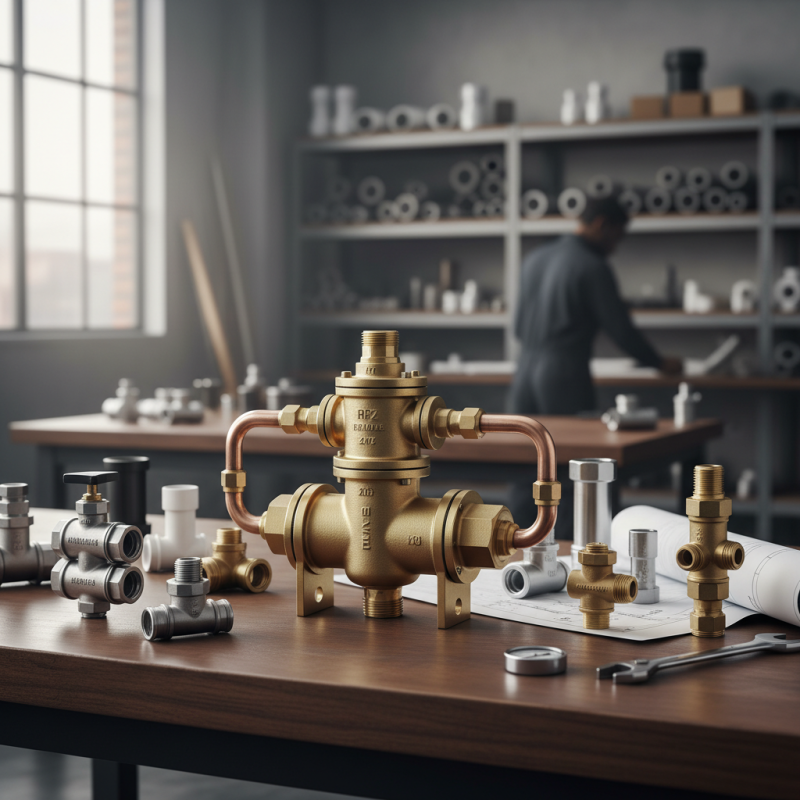
Importance of Backflow Prevention in Modern Plumbing Systems
Backflow prevention plays a crucial role in modern plumbing systems. It protects our drinking water from contamination. When water flows in reverse, it can introduce harmful substances. Backflow can occur due to pressure changes in the system, creating a serious health risk.
Installing proper valve options is essential. For instance, check valves can ensure one-way flow. They respond to changes in pressure, preventing backflow effectively. However, not all systems require the same type of valve. Understanding the specific needs of a plumbing system is important. Regularly inspecting these valves can prevent unexpected failures.
Despite the advancements, some systems still face challenges. Sometimes, backflow incidents occur due to improper installations. Even reliable valves can fail if not maintained. Homeowners and professionals must remain vigilant. Awareness of potential risks can help ensure clean and safe water in our homes.
Best Valve Options for Effective Backflow Prevention
| Valve Type | Material | Size (inches) | Pressure Rating (psi) | Application |
| Swing Check Valve | Brass | 1.5 | 150 | Water Supply |
| Double Check Valve | PVC | 2 | 150 | Irrigation Systems |
| Air Gap Fitting | Steel | 3 | N/A | Drainage Systems |
| Pressure Vacuum Breaker | Brass | 1 | 125 | Backflow Prevention |
| Reduced Pressure Zone Valve | Bronze | 2.5 | 200 | Commercial Applications |
Different Types of Valves Used for Backflow Prevention
Backflow prevention is vital for protecting water supply systems. Effective valves play a key role in this process. Backflow can lead to contamination, harming public health. According to the CDC, prevention measures reduce contamination risks, ensuring safe water supply.
The most common valve types include check valves and double check valves. Check valves allow flow in one direction, preventing backflow. They are reliable under specific conditions and commonly used in residential settings. Double check valves provide an additional layer of security, suitable for commercial installations. A study by ASPE shows these valves can reduce backflow incidents by up to 95%.
However, choosing the right valve requires careful consideration. Different applications demand different specifications. Some valves might fail under extreme conditions. Designing installations without proper assessments can lead to failures. Regular maintenance checks are necessary to ensure valves function correctly over time. User reports indicate that even well-installed valves can experience leaks. By understanding the limitations and maintenance needs, users can make better choices.
How to Choose the Right Valve for Your System Requirements
Choosing the right valve for backflow prevention is crucial. Consider the type of fluid in your system. Water, chemicals, or wastewater can impact your choice. Each fluid type has different properties, affecting valve material and design. Corrosive fluids demand robust materials, while potable water systems may have specific standards. Understanding the fluid's characteristics aids in selecting an appropriate valve.
Next, assess the pressure and flow requirements. Valves operate in different pressure ranges. Ensure the valve you choose matches your system’s specifications. Too low a pressure rating can lead to failures. High flow systems might require larger valve sizes or different designs. Additionally, evaluate the installation space. Some valves may require more room than others for proper operation. This aspect can complicate your choice.
Consulting with a professional can provide valuable insights. Their experience can help navigate some complexities. However, don’t solely rely on their recommendations. Research is essential. Look for installation guidelines and maintenance recommendations. This knowledge deepens your understanding and helps avoid pitfalls. Remember, an ill-fitted valve can lead to costly repairs and downtime. Take your time in this decision-making process.
Installation and Maintenance Tips for Backflow Prevention Valves
Backflow prevention is crucial for protecting water supply systems. Regular installation and maintenance of backflow prevention valves can significantly enhance their effectiveness. Choosing the right type of valve involves understanding system requirements. Different environments may require distinct valve types. For instance, a residential setting often has different needs compared to industrial applications.
When installing backflow prevention valves, proper placement is essential. Valves should be easily accessible for future maintenance. Consider the positioning to avoid potential damage. A professional may be needed to ensure compliance with local codes. Regular inspection is vital. Look for signs of wear or damage. Replace any faulty parts promptly to maintain water safety.
Maintenance practices should include routine flushing. This clears out debris and prevents blockages. A visual check before winter can also save you from costly repairs. It's essential to follow all guidelines for the best results. Not every installation will be perfect; adjustments may be necessary as conditions change. Embrace a proactive approach to ensure your system operates efficiently.
Common Issues with Backflow Prevention Devices and Solutions
Backflow prevention devices are crucial in maintaining water safety. However, they often encounter issues that can compromise their effectiveness. Research indicates that nearly 20% of devices fail due to improper installation or maintenance. Regular inspections can mitigate these risks. Yet, many facilities neglect this aspect, leading to significant health hazards.
Clogging is another common problem. Debris can accumulate, causing malfunctions. Reports show that 30% of backflow incidents stem from buildup in pipes. Regular flushing and cleaning can alleviate this issue. Water suppliers recommend a biannual maintenance schedule to ensure proper function.
Additionally, pressure fluctuations can impact device performance. When water pressure drops unexpectedly, backflow can occur. Engineers advocate for pressure gauge installation to monitor these changes. This proactive approach minimizes risk and ensures reliable performance. Addressing these issues is essential for effective backflow prevention.