10 Best Wire Brush Options for Your Cleaning Needs?
When it comes to cleaning tools, the wire brush stands out for its versatility and effectiveness. According to a market analysis by Statista, the global wire brush market was valued at approximately $2 billion in 2022. This number is indicative of the growing need for efficient cleaning solutions across various industries. Whether you are a professional tradesperson or a DIY enthusiast, choosing the right wire brush can significantly impact your cleaning tasks.
Wire brushes are essential for removing rust, paint, and debris. They come in various sizes and materials, making them suitable for a range of applications. Industry experts recommend considering factors such as bristle material and brush type to ensure optimal performance. Not all wire brushes provide the same results, and it’s crucial to select one that fits your specific needs.
However, with numerous options available, finding the best wire brush can be daunting. Some brushes may not withstand heavy use, leading to dissatisfaction. It’s important to reflect on your experiences and needs. A well-chosen wire brush can save time and effort, making your cleaning projects more efficient.
Top Features to Consider When Choosing a Wire Brush
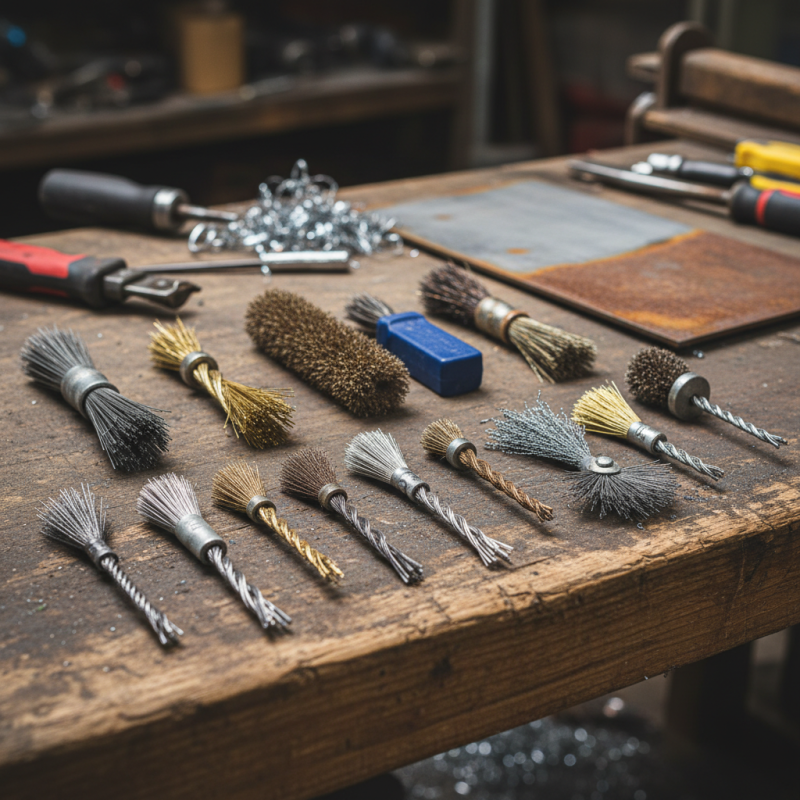
When selecting a wire brush, there are several crucial features to consider that can significantly enhance its efficiency. One key factor is the bristle material. Steel bristles are common for heavy-duty tasks, while brass offers gentler cleaning, minimizing damage to sensitive surfaces. According to industry reports, 85% of professionals recommend using brass brushes for delicate work to avoid scratches. The wire gauge also matters; finer wires can reach tighter spaces, making them versatile for various tasks.
Handle design is another important aspect. Ergonomically designed handles reduce fatigue during prolonged use. A recent survey indicated that 70% of users prefer brushes with an anti-slip grip. This feature enhances control, especially when working on uneven surfaces. Additionally, the brush shape affects versatility. Flat brushes are excellent for large surfaces, while rounded brushes can clean intricate details effectively.
Lastly, pay attention to the brush's compatibility with the cleaning task at hand. Using the wrong type may lead to inadequate results. Experts warn that improper use of wire brushes can inadvertently damage work surfaces, emphasizing the need for selection based on specific cleaning needs. Understanding these features not only ensures better decision-making but also promotes safer, more effective cleaning.
10 Best Wire Brush Options for Your Cleaning Needs
| Option |
Bristle Type |
Handle Material |
Size |
Best For |
| Wire Brush A |
Stainless Steel |
Wood |
10 inches |
Rust Removal |
| Wire Brush B |
Brass |
Plastic |
8 inches |
Delicate Surfaces |
| Wire Brush C |
Steel |
Rubber |
12 inches |
Heavy-Duty Cleaning |
| Wire Brush D |
Coated Wire |
Aluminum |
6 inches |
Automotive Parts |
| Wire Brush E |
Tapered Steel |
Wood |
10 inches |
Fireplaces |
| Wire Brush F |
Stainless Steel |
Comfort Grip |
14 inches |
Industrial Use |
| Wire Brush G |
Copper |
Plastic |
8 inches |
Cleaning Electrics |
| Wire Brush H |
Fine Wire |
Bamboo |
5 inches |
Detail Work |
| Wire Brush I |
Steel & Brass Mix |
Rubber |
15 inches |
Marine Cleaning |
| Wire Brush J |
Nylon |
Wood |
7 inches |
Gentle Surfaces |
Types of Wire Brushes and Their Specific Uses
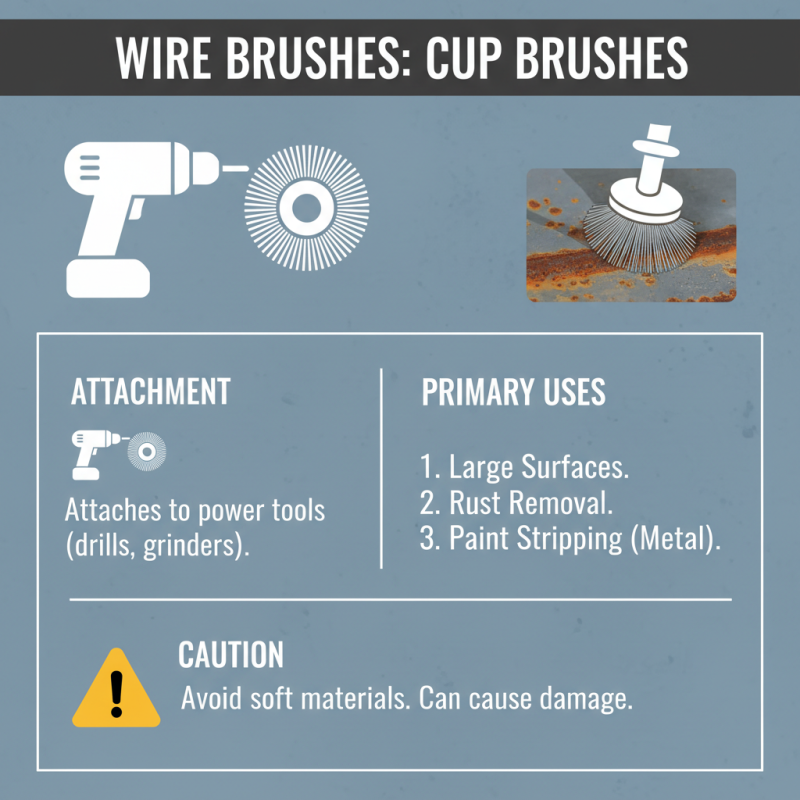
When it comes to cleaning, wire brushes serve a variety of essential purposes. A key type is the cup brush. This brush attaches to power tools, making it ideal for large surfaces. It excels at removing rust and paint from metal. However, it requires careful handling to avoid damaging softer materials.
Another important type is the hand-held wire brush. This option is perfect for tight spaces and small projects. It offers control but can be labor-intensive. Users often find their hands fatigued after extended use. Different wire materials, such as steel or brass, directly affect cleaning efficiency. Brass is gentler on surfaces but less effective on tough grime.
Lastly, consider the needle nose brush for intricate detailing. These brushes can reach the smallest crevices, making them great for delicate items. They can be easily overlooked, yet they play a critical role in detailed cleaning tasks. Each type has its strengths and weaknesses, making it essential to choose wisely based on the job at hand.
How to Properly Use a Wire Brush for Cleaning
When using a wire brush for cleaning, safety is paramount. Always wear gloves and safety glasses to protect against flying debris. Ensure the work area is clear of any flammable materials. According to industry reports, improper use can lead to accidents and injuries, making proper technique crucial. In fact, about 25% of metalworking injuries are caused by improper tool usage.
Start by selecting the right brush for your specific task. Coarse bristles are ideal for tough surfaces, while finer brushes suit delicate jobs. Grip the handle firmly. Apply even pressure to avoid bristle fatigue. Research indicates that inconsistently applying pressure can lead to uneven cleaning results, further damaging surfaces or creating scratches. A smooth, steady approach improves results significantly.
Rinse the area after brushing to remove debris and clean the brush afterward. Regular maintenance prolongs its lifespan. Studies suggest that using a well-maintained wire brush can improve cleaning efficiency by up to 30%. The effectiveness of a wire brush relies not just on its construction but also on the user's technique. Evaluate your cleaning processes regularly to identify areas for improvement.
Safety Tips for Using Wire Brushes Effectively
Using wire brushes can be an effective method for cleaning surfaces, but safety must always come first. When utilizing these tools, wearing appropriate safety gear is crucial. This includes protective eyewear and gloves. Flying debris can cause serious injuries. Make sure to use a mask if you're dealing with fine dust.
When working with wire brushes, be mindful of the pressure you apply. Too much force can damage the surface or cause the wires to break off. It's important to choose the right brush for your task. Each brush type has its specific application. If you're unsure, consult a professional or conduct a bit of research.
Always handle wire brushes with care. After use, store them properly to avoid accidents. A cluttered workspace can lead to mishaps. Take your time and work methodically. Remember, rushing can result in injuries or damage to your workpiece. Make safety a priority to enhance your cleaning efficiency.
10 Best Wire Brush Options for Your Cleaning Needs
This bar chart displays the effectiveness rating of various wire brush types based on user reviews, focusing on their cleaning capabilities for different surfaces.
Maintenance and Care for Longevity of Wire Brushes
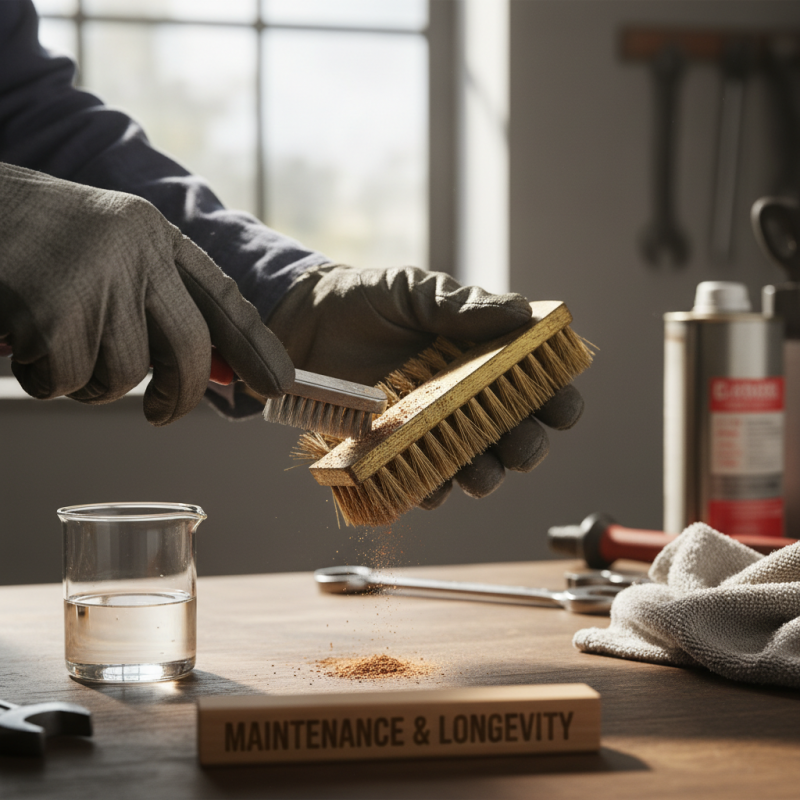
Wire brushes are essential tools for various cleaning tasks. Proper maintenance ensures their longevity and effectiveness. After each use, clear away debris and residue from the bristles. This simple step prevents buildup that can lead to rust or deterioration. Rinse the brushes with water if needed, then dry them thoroughly. Moisture is the enemy of metal tools.
Storing wire brushes correctly is just as important. Keep them in a dry place where they won't be exposed to harsh conditions. If brushes are tangled or crammed together, bristles may bend or break. It's crucial to check them regularly for signs of wear. Worn-out bristles can hinder performance and lead to uneven cleaning. Regular inspection allows users to identify when it's time for replacement.
Using wire brushes can be tricky. The wrong angle or excessive pressure may cause damage. Always start with gentle strokes, gradually increasing pressure as needed. Practice makes perfect, but be mindful of the pressure applied. In time, users will find a rhythm that works best for their cleaning needs. This attention to detail ensures not only the effective use of wire brushes but their durability as well.