How to Choose Alloy Steel Bevel Gear for Your Applications?
When it comes to machinery and industrial applications, selecting the right components is crucial. One such component is the alloy steel bevel gear. These gears play a vital role in directing power and torque in various mechanical systems. Choosing the appropriate alloy steel bevel gear can significantly impact efficiency and reliability.
Several factors should guide your selection process. The gear's strength and durability are essential, especially in high-load applications. Additionally, considering compatibility with existing machinery is important. The choice of material often influences performance. Alloy steel, known for its toughness, is a popular choice for many demanding applications.
However, finding the perfect alloy steel bevel gear isn't always straightforward. Manufacturers offer a range of options, and variations can be overwhelming. It’s important to assess your specific needs and perhaps seek expert advice. This ensures that the gear will meet both performance expectations and operational demands. Ultimately, informed decisions lead to better machinery performance and longevity.
Understanding Alloy Steel Bevel Gears and Their Applications
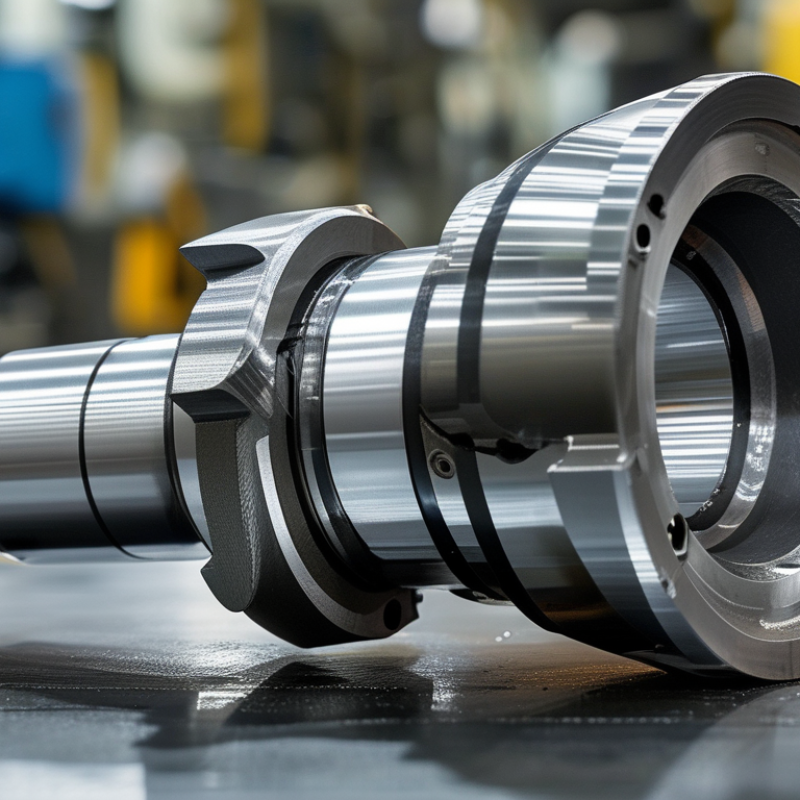
Alloy steel bevel gears are critical components in various machinery. They are specially designed for high torque applications. These gears provide angular motion and transmit power efficiently. Their unique properties make them suitable for heavy-duty environments. For example, they are commonly used in automotive and industrial machinery. The hardness and strength of alloy steel enhance their durability. However, they can be more prone to wear if not properly maintained.
When selecting alloy steel bevel gears, consider your specific application. Factors like load capacity, speed, and environmental conditions are crucial. A miscalculation can lead to gear failure. It's essential to analyze the gear's design and materials. Some scenarios reveal challenges, like increased heat generation during operation. This can affect performance and lifespan. Regular inspections can help identify potential issues early, ensuring reliability.
The manufacturing process significantly influences gear quality. Precision in gear cutting ensures better mesh and lower noise levels. Yet, not all manufacturers follow the same standards. Researching the production methods used is vital. Understanding the trade-offs between cost and quality is also important. Sometimes, opting for lower-cost options can lead to unexpected breakdowns. Investing in high-quality alloy steel bevel gears is often more economical in the long run.
Alloy Steel Bevel Gear Applications and Common Sizes
Key Factors to Consider When Selecting Alloy Steel Bevel Gears
When selecting alloy steel bevel gears, it’s crucial to consider several key factors. The load capacity of the gear is paramount. According to industry reports, alloy steel gears can handle higher loads due to their superior tensile strength. It’s important to assess the working environment as well. Corrosive environments require specific alloy formulations to enhance durability.
Manufacturing precision plays a significant role in gear performance. Any variations can lead to increased wear and reduced efficiency. Keep in mind that manufacturing tolerances also affect the alignment of gears, which can result in premature failures.
Tips: Always evaluate the heat treatment process employed on the alloy steel. Proper heat treatment improves the hardness and toughness, enhancing the gear's lifespan. Don’t overlook the importance of lubrication. Optimal lubrication reduces friction and prevents overheating, thus maintaining gear integrity over time. Ensure constant maintenance checks to anticipate wear patterns, allowing for timely replacements.
Types of Alloy Steel for Bevel Gears and Their Properties
When selecting alloy steel bevel gears, understanding the types of steel is crucial. Different alloy steels offer various mechanical properties that impact performance. For instance, 4140 alloy steel provides excellent toughness and fatigue resistance. It’s often used in high-stress applications. Its ability to withstand heavy loads makes it a popular choice for many industrial settings.
Another option is 8620 alloy steel. This steel is known for its high core strength and is particularly suited for applications requiring toughness and wear resistance. However, it may not perform well under extreme heat, so temperature considerations are essential. While 8620 is effective, it's essential to weigh its limitations against your specific needs.
Lastly, consider 9310 alloy steel for applications demanding high strength. It is often used in aerospace and automotive industries due to its robust performance. However, its cost can be a drawback. When choosing, assess the subtle balance between strength, toughness, and cost. Each type of alloy steel has its pros and cons, highlighting the importance of careful selection for optimal performance.
Evaluating Load Capacity and Strength Requirements for Applications
Choosing the right alloy steel bevel gear requires careful consideration of load capacity and strength requirements. Each application has unique demands. If gears are undersized, they may fail under stress. This can lead to costly downtime. Therefore, evaluating how much load a gear will experience is crucial.
Start by determining the operational conditions your bevel gears will face. Consider factors such as speed, torque, and environmental conditions. For instance, high loads in harsh environments require robust materials to ensure durability. Load capacity can be influenced by gear design, thickness, and overall geometry. Specific calculations may be needed to find the maximum allowable load for your setup.
It's also important to assess the gear's strength. Common materials for alloy steel gears include 4140 and 8620. Each has different tensile and yield strengths. Inadequate strength can result in deformation or even catastrophic failure. Testing and simulations can provide insights into how gears will respond over time. Engineers should be wary of relying solely on theoretical values. Real-world conditions often reveal limitations that numbers cannot predict. A thorough appraisal leads to better choices in gear selection. This can enhance system performance and longevity.
How to Choose Alloy Steel Bevel Gear for Your Applications? - Evaluating Load Capacity and Strength Requirements for Applications
| Dimension | Material Type | Load Capacity (N) | Strength (MPa) | Application Examples |
| 10 mm | Alloy Steel 4140 | 2500 | 700 | Automotive Transmissions |
| 20 mm | Alloy Steel 8620 | 4500 | 900 | Industrial Gearboxes |
| 30 mm | Alloy Steel 4340 | 6000 | 1100 | Marine Applications |
| 40 mm | Alloy Steel 52100 | 8000 | 1300 | Heavy Machinery |
Maintenance and Longevity of Alloy Steel Bevel Gears in Use
Alloy steel bevel gears are known for their strength and durability. Maintenance is key to ensuring their longevity. Regular inspections can identify wear early. Look for signs of corrosion or unusual noises during operation. These indicators can help prevent more significant issues down the line.
Proper lubrication is critical for performance. Using the right type of lubricant can reduce friction and extend the gear's life. However, be aware that excessive lubrication can attract dirt and debris. This buildup can lead to premature wear. Cleaning the gears regularly is as important as lubrication.
Operational conditions play a huge role in the lifespan of these gears. Factors like load, temperature, and environment can stress the materials. Overloading gears can lead to failure, while optimal load keeps them running efficiently. Consider these aspects for effective maintenance. Adjusting operational practices could improve gear longevity significantly.