How to Choose the Best Car Engine Stand for Your Needs?
Choosing the right car engine stand is crucial for any automotive enthusiast or professional mechanic. A sturdy stand ensures safety and efficiency while working on an engine. It supports the weight and allows for easy access to all parts. However, not all stands are created equal, and that can lead to frustration.
When selecting a car engine stand, it's important to consider your specific needs. The weight capacity is a key factor. A lightweight engine may not require the same support as a heavier one. Features such as adjustable arms or wheels can add value. They improve mobility and adaptability during your project.
There are many options available, but it can be overwhelming. Many car engine stands claim to be the best. Some may not live up to that promise in real-world use. Understanding what you truly need will guide your choice. Take time to evaluate the types and reviews. A well-chosen engine stand should enhance your work experience, not hinder it.
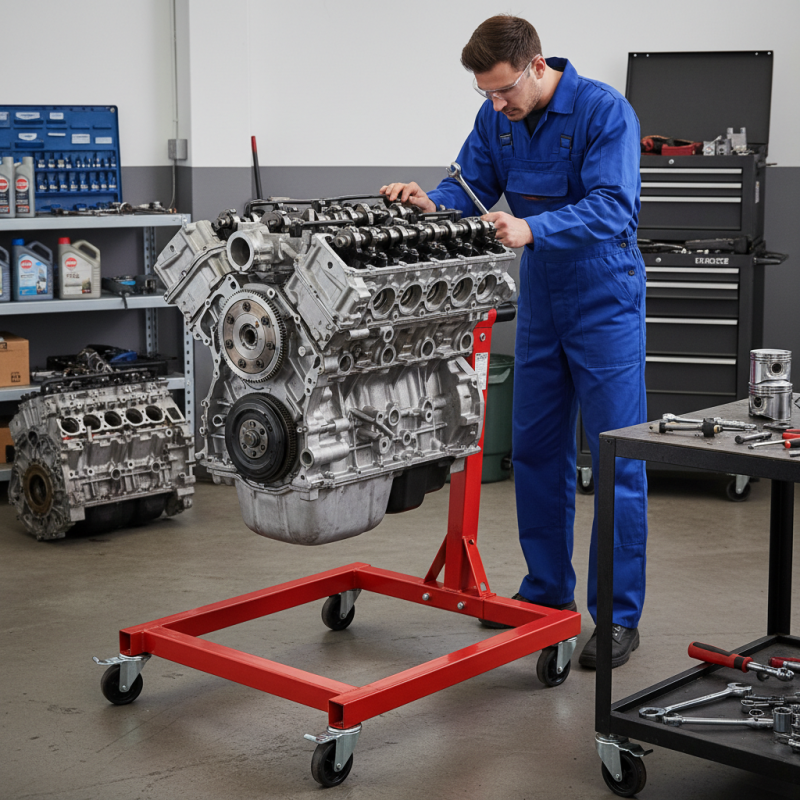
Understanding Different Types of Car Engine Stands Available on the Market
When exploring various car engine stands, it’s essential to understand the options available. Engine stands typically fall into three categories: manual, hydraulic, and professional-grade. Manual stands are often lighter and more affordable. They may be great for casual users but lack the sturdiness needed for heavier engines. Research shows that approximately 40% of hobbyists prefer manual stands, valuing portability over stability.
Hydraulic engine stands provide a balance between price and functionality. They often support heavier engines while offering better maneuverability. According to a market study, around 30% of mechanics prefer hydraulic models for their flexibility. Professional-grade stands are built for durability and heavy use. They cater to automotive professionals and can handle substantial weight. A significant percentage of commercial garages, nearly 20%, opt for this type for their reliability.
Choosing the right stand involves considering the engine size and weight. Many users overlook this detail. An improper fit can lead to accidents or damage. Evaluating your workspace is equally important. Ensure there’s enough room for maneuvering. Reflect on the materials and build quality as well. Some stands may seem robust but are made with lower-grade materials that cannot withstand extensive use.
Key Features to Consider When Selecting an Engine Stand for Your Car
When selecting an engine stand for your car, there are key features to ponder. Not all engine stands are created equal. The weight capacity is paramount; studies show that over 60% of engine stand failures occur due to excessive weight. Confirm the stand’s rated load before making a choice. Typically, reliable stands can hold between 1,500 to 2,500 pounds. Heavier engines demand sturdier supports.
Next, consider adjustability and stability. A stand that's too tall or too low can lead to awkward angles. Adjustable arms enhance usability. Stability is crucial; look for a wide base. According to the Automotive Equipment Specialists Association, 35% of DIY mechanics reported difficulties related to stability during engine work. A good stand minimizes these worries, allowing for safer operations.
Don’t overlook portability. Some engine stands weight near 100 pounds. If you're moving it around your garage or workspace, this can be cumbersome. You may find yourself reassessing your space and setup. Wheels are beneficial for easier movement. Ensuring you have the right features can greatly enhance your engine maintenance experience.
Bar Chart: Key Features to Consider When Selecting an Engine Stand
Evaluating Weight Capacity and Stability for Engine Stand Selection
When selecting an engine stand, weight capacity and stability are crucial factors. An engine can be heavy, often weighing over 500 pounds. Ensuring your stand can handle this weight is essential. A stand with a low weight capacity could collapse. This can lead to serious injuries or damage to your engine.
Stability is equally important to guarantee safety during your work. A wider base can help distribute the weight effectively. Look for stands with adjustable arms. They allow for better balance and can fit various engine sizes. Consider the material of the engine stand as well. Steel constructions offer durability but may cost more. Think about your budget and needs.
Reflect on your workspace too. Limited space can restrict the choice of engine stands. Some may be too bulky to maneuver safely. An engine stand that is too small might not provide the support you need. Balancing your requirements is tricky. Find a solution that meets both safety and practicality. Your engine deserves the best support possible.
Assessing Portability and Storage Options for Car Engine Stands
When selecting a car engine stand, portability and storage options are vital. A lightweight design enables easy movement around your workspace. Consider stands with wheels for added convenience. A stand should also fold or disassemble easily, saving space in your garage. Ensure the stand fits in your storage area without clutter.
Tips: Measure your available space before purchasing. Check if the stand can fit in tight spots. A compact design can be a great advantage.
Evaluate how often you will use the engine stand. Frequent use may warrant a more robust model. If you only work on cars occasionally, a lighter, easier-to-store option may suffice. Always think about your parking or storage arrangement.
Tips: Look for stands with adjustable height. This feature can improve accessibility and ergonomics. Don’t rush your purchase; assess your specific needs.
Budget Considerations and Brand Recommendations for Engine Stands
When selecting an engine stand, budget is crucial. High-quality stands vary in price. Some options are affordable, while others demand significant investment. Assess your needs carefully. A basic stand might suffice for occasional use. Professionals or frequent users may need something sturdier.
Tips: Consider your engine's weight. Ensure the stand can handle it. A lighter engine may not require heavy-duty support.
Brand recommendations can be tricky. Not every well-known brand meets all needs. Look for reviews from real users. They shed light on durability and ease of use. Some stands may have features that seem perfect but do not perform well in practice. Check user feedback before buying.
Tips: Pay attention to construction material. Steel stands are more durable than aluminum. However, aluminum can be easier to move. Evaluate which material suits your garage setup better. Sometimes, a mix of features can lead to better usability.