How to Choose the Best Custom Metal Stampings for Your Needs?
When selecting Custom Metal Stampings, understanding your specific needs is crucial. The global metal stamping market was valued at approximately $60 billion in 2022. It is expected to grow steadily, driven by increasing demand from various industries such as automotive, aerospace, and electronics. Thus, the choice of a suitable custom metal stamping provider can significantly influence project success.
Consider factors like material quality and precision. For example, stainless steel and aluminum are popular choices due to their durability and lightweight properties. Many companies have reported project delays because of subpar material choices. Companies must ensure their suppliers maintain high quality standards, often indicated by certifications like ISO 9001.
Furthermore, assessing the stamping process is essential. Different techniques, such as progressive die stamping or deep drawing, can affect both cost and product performance. Review your project requirements carefully. Choosing the right custom metal stampings is not just a decision; it’s a commitment to quality and precision.
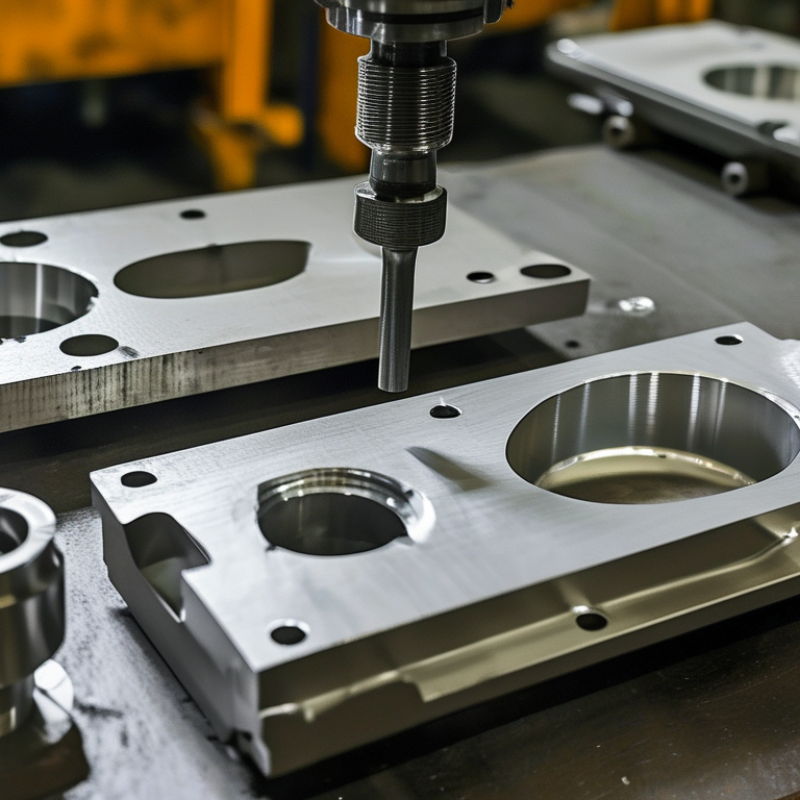
Understanding Your Project Requirements for Custom Metal Stampings
Understanding your project requirements is crucial when selecting custom metal stampings. Start by assessing the specific application for your project. Are you producing parts for automotive components, or perhaps machinery? Each application has unique specifications that affect material choice, stamping method, and finishing options. Identifying these needs early can save time and money.
Next, think about the dimensions and tolerances required for your parts. Custom metal stampings vary widely in size and complexity. Consider the thickness of the material. A thicker metal may provide durability but could complicate the stamping process. Also, evaluate the design intricacies. Simple shapes are easier and cheaper to produce, while complex designs might require expert input to get right.
Acknowledge the trade-offs involved. Sometimes, a lower-cost option may lead to higher long-term expenses. Consultation with experienced manufacturers can shed light on these decisions. Balancing cost, quality, and functionality is key. Reflecting on your priorities here will help guide you to the best solution for your needs.
Materials and Finishes for Custom Metal Stampings: What to Consider
When selecting materials for custom metal stampings, various factors come into play. Common choices include stainless steel, aluminum, and brass. Stainless steel is strong and corrosion-resistant. It suits many industrial applications. Aluminum is lightweight and easily shaped. It is ideal for projects requiring a balance of performance and cost. Brass, while softer, offers excellent machinability and aesthetic appeal.
The finish of the metal is equally important. A polished finish brings a smooth, shiny look. It enhances corrosion resistance but may increase costs. An anodized finish can add durability and color options. Consider the application, as not all finishes are suitable for every environment. Some may require a rougher surface for better adhesion.
Reflect on longevity as well. Not every metal will perform equally over time. The choice may affect performance and maintenance costs. Evaluate the intended use to ensure the material and finish align with the project's needs. Choosing the right combination is crucial for success.
Evaluating Precision and Tolerance in Metal Stamping Processes
When evaluating precision and tolerance in metal stamping processes, attention to detail is paramount. Precision in stamping affects the fit and function of the final product. Tolerance levels indicate how much variation is acceptable in the dimensions of the stamped parts. Even small discrepancies can lead to significant issues during assembly or operation.
Consider the materials used in your project. Different metals react differently during stamping, impacting precision. For example, softer metals may result in more predictable stamping outcomes, while harder ones can introduce challenges. The choice of tooling also plays a vital role. Worn or improperly calibrated tools may produce inconsistent parts, necessitating rework or replacement.
It's essential to thoroughly assess your supplier's capabilities and past performance. Request samples to gauge quality directly. Even with experienced partners, issues may arise. Reflecting on past projects can provide insights into what works and what doesn't. Embracing a mindset of continuous improvement ensures that precision and tolerance in metal stamping align closely with your evolving needs.
Metal Stamping Precision and Tolerance Evaluation
Choosing a Reliable Manufacturer for Custom Metal Stampings
Choosing a reliable manufacturer for custom metal stampings is crucial. This decision directly impacts product quality and production efficiency. Research shows that approximately 30% of manufacturing defects arise from poor supplier selection. Thus, evaluating potential partners is essential. A manufacturer’s experience significantly contributes to their capabilities. Look for companies with a proven track record in the specific metal stamping techniques you require.
It is also important to consider the material and technology employed by the manufacturer. Many leading companies utilize advanced CNC machining, which improves precision. According to industry reports, companies that adopt modern technologies can reduce production cycles by 25%. Furthermore, assessing a manufacturer's certifications can provide assurance of their adherence to industry standards. ISO certifications, for instance, indicate a commitment to quality management principles.
Engage in direct communication with potential manufacturers. Request samples of their work and inquire about their quality control processes. This can reveal inconsistencies in their production methods. A reliable manufacturer should be willing to address your concerns and make adjustments when necessary. Ultimately, selecting the right partner requires due diligence and thoughtful consideration of both their capabilities and your specific needs.
Common Applications and Industries for Custom Metal Stampings
Custom metal stampings have diverse applications across various industries. They play a crucial role in automotive manufacturing, where precision components are essential. According to a report by Grand View Research, the global automotive stamping market size was valued at over $60 billion in 2021, with a projected annual growth rate of 4.5%. This growth reflects the increasing demand for lightweight yet durable components in vehicle design.
Another significant sector is electronics. Custom metal stampings are used to create connectors and housings for devices, ensuring durability and performance. The electronics industry demands high precision. A study from IBISWorld highlights that electronic component manufacturing revenue reached approximately $450 billion in 2023. As technology advances, so does the need for high-quality metal stampings that can meet these demands.
In the HVAC industry, metal stampings help manufacture parts for heating and cooling systems. Precision and efficiency are critical in this sector, as stated by MarketsandMarkets. The HVAC market is expected to reach $250 billion by 2025, emphasizing the importance of high-quality components. Industries are evolving, yet the challenge remains in balancing cost and precision. All manufacturers must continually assess their choices to optimize production and maintain quality standards.
How to Choose the Best Custom Metal Stampings for Your Needs? - Common Applications and Industries for Custom Metal Stampings
| Application | Industry | Material Used | Typical Thickness | Production Volume |
| Automotive Parts | Automotive | Steel, Aluminum | 0.5 mm - 5 mm | Medium to High |
| Electronic Components | Electronics | Copper, Brass | 0.2 mm - 2 mm | High |
| Medical Devices | Medical | Stainless Steel, Titanium | 0.3 mm - 3 mm | Low to Medium |
| Industrial Equipment | Manufacturing | Carbon Steel, Aluminum | 1 mm - 6 mm | Medium to High |
| Furniture Components | Furniture | Stainless Steel, Mild Steel | 1 mm - 5 mm | Medium |