How to Choose the Right Industrial Laser Machine for Your Needs?
Selecting the right Industrial Laser Machine can be daunting. With various models available, each features unique specifications and capabilities. Understanding your specific needs is crucial. Whether it’s for cutting, engraving, or marking materials, the right choice can enhance productivity and quality.
Consider the materials you will work with. Different industrial laser machines excel in handling various substances like metals, plastics, or wood. Evaluate the machine’s power, speed, and precision. These factors directly impact your production efficiency. Not all machines are suitable for every application. It’s essential to do thorough research before making a decision.
Budget is another critical aspect. High-end models offer advanced features but may not be necessary for all businesses. Assessing the return on investment is vital. The ideal industrial laser machine should align with your operational goals, ensuring reliability and performance. Often, companies overlook the importance of support and maintenance. Knowing you can rely on expert assistance can influence your choice significantly.
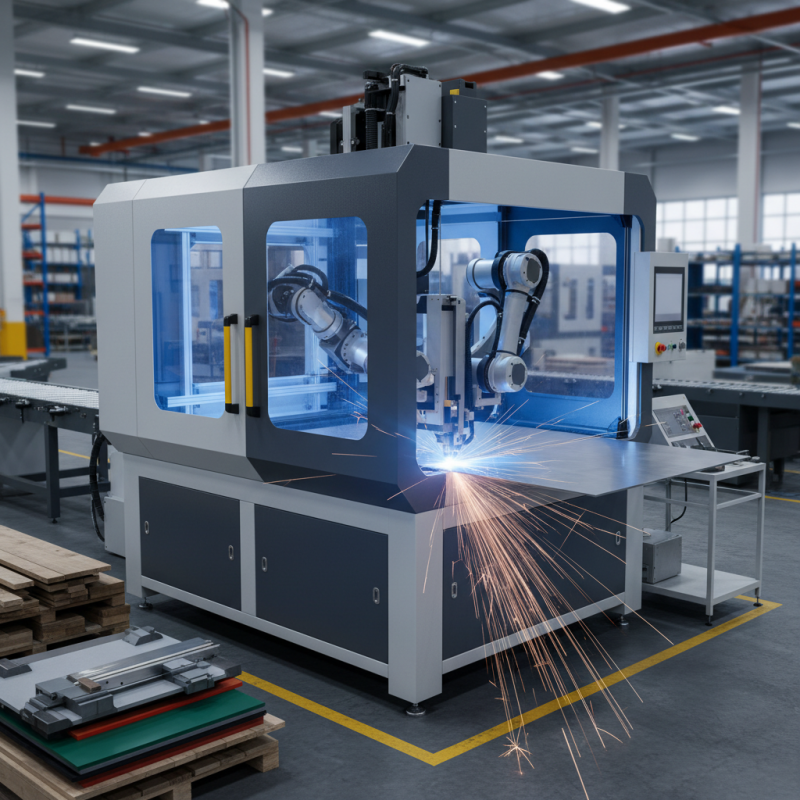
Understanding Different Types of Industrial Laser Machines
When selecting an industrial laser machine, understanding the various types available is key. CO2 lasers are highly effective for cutting softer materials like wood and acrylic. They provide excellent detail and speed, making them ideal for intricate designs. On the other hand, fiber lasers are more suited for metals. They offer higher efficiency and can operate at a greater speed. Recognizing the specific materials you will work with helps in making the right choice.
Another type is the UV laser. These are effective for delicate tasks, like marking and engraving glass or plastics. Their precision minimizes heat-affected zones, preserving the integrity of the material. Each type has unique strengths and limitations. It’s crucial to evaluate your needs against these capabilities.
Many users overlook the importance of post-purchase support and training. These factors contribute significantly to the efficiency and longevity of the machine. It’s advisable to seek machines that offer robust customer support and readily available training resources. Often, users find themselves unprepared for maintenance issues or software updates. Inadequate planning can lead to downtime, affecting productivity. Being aware of these factors enhances your machine's usability.
Evaluating Your Specific Applications and Requirements
When choosing an industrial laser machine, it's crucial to assess your specific applications and requirements. Start by identifying what materials you will be working with. Different lasers excel at cutting or engraving various substances. For example, some may handle metals proficiently, while others are better suited for wood or acrylic. This evaluation helps narrow down your options effectively.
Consider the desired outcomes for your projects. Are you focusing on precision or speed? Some tasks demand high accuracy, like intricate designs, while others might prioritize faster output. This distinction can impact the type of laser technology you select. It’s wise to reflect on your current production capabilities and how a new machine can address gaps.
Don't overlook the importance of maintenance and support. Understanding how often your machine will require servicing can affect your long-term satisfaction. Be cautious about assuming all machines are user-friendly. Some may have steep learning curves. Taking these factors into account can guide you toward a choice that truly meets your operational expectations.
Industrial Laser Machine Comparison
Key Features to Consider When Selecting a Laser Machine
Choosing the right industrial laser machine involves several key features that must align with your specific needs. One critical factor is the type of laser technology used. CO2 lasers are suitable for non-metal materials, while fiber lasers excel with metals. Understanding the material you'll work with is essential in this decision-making process.
Another important feature is the machine's power output. Higher wattage increases cutting speed and material thickness capability. However, it's vital to assess your production volume. A high-output machine could be overkill for lower demands.
Tips: Assess your budget carefully. The cost of maintenance and operational expenses can be significant. Factor these into your overall investment.
Look for additional features like advanced cooling systems to prolong the life of your laser components. A robust software package for easier operation can also enhance productivity. Research warranty options and support services. The reliability of these services can affect your workflow and downtime.
Remember, evaluating your specific needs is not just about current projects. Consider future applications as well. Expanding capabilities can save you from additional investments down the line.
Budget Considerations and Cost of Ownership
When considering an industrial laser machine, budget is crucial. The initial cost often grabs attention, yet long-term expenses matter too. Maintenance, operating costs, and potential repairs can quickly add up. A cheaper model might save upfront but lead to costly repairs later. It's essential to evaluate all aspects.
Energy efficiency plays a significant role in ownership cost. Some machines consume more power than others. This factor impacts overall expenses, especially in high-production environments. A less efficient machine may seem tempting but can result in high bills. Users should prioritize energy efficiency to reduce long-term costs.
Don't overlook training and operational costs. Investing in training is vital for maximizing machine potential. Poorly operated machinery can lead to waste and inefficiencies. Reflecting on these aspects ensures better decision-making. Choices should consider not only the price tag but the lifespan and productivity of the machine.
Researching Manufacturers and Service Support Options
When researching industrial laser machine manufacturers, it's crucial to assess their service support options. Many businesses overlook this aspect, focusing solely on machine specifications. However, having reliable support can significantly impact your production efficiency. A recent industry report indicated that 70% of manufacturers value timely technical support as a key decision factor.
Evaluate manufacturers based on customer feedback and their service response times. Fast, efficient support can reduce downtime. Some companies even offer remote diagnostics and online troubleshooting. This can save you both time and resources. Support should be available during your operational hours. Verify if their technical team has adequate experience and certifications.
Additionally, consider the availability of spare parts. A manufacturer that ensures quick access to replacement components can prevent prolonged disruptions. Data shows that downtime costs can reach up to $250,000 per hour in some sectors. A focus on service support can lead to more informed decisions and better long-term outcomes for your business.