
Choosing the best Trailer Generator begins with understanding how you will use it. A weekend camper needs different power than a mobile workshop or emergency service trailer. List every device before comparing models. Include refrigerators, air conditioners, lights, chargers, pumps, and tools. Record both running watts and starting watts. Motors often demand a sharp surge.
A practical Trailer Generator should deliver dependable power without creating excessive noise or vibration. Check its rated output, fuel capacity, runtime, and weight. A compact unit may fit beneath a trailer, but limited ventilation can create serious heat concerns. Look for clear maintenance access, strong weather protection, and a reliable control panel. Fuel efficiency matters during long trips. So does sound at night.
Experienced users also examine voltage stability, transfer options, grounding guidance, and recognized safety certifications. Manufacturer support is important, especially when replacement filters or service parts are difficult to find. Reviews can reveal real problems, such as fragile wheels or confusing startup procedures. Still, online opinions are not perfect evidence. I have seen highly praised generators struggle under continuous air-conditioning loads. That is why specifications should be tested against realistic conditions. Choose a model with a reasonable power reserve, rather than one operating at its limit. Keep a written maintenance schedule, inspect cables regularly, and follow the manufacturer’s instructions. The right Trailer Generator should feel predictable, serviceable, and suited to your actual trailer—not merely impressive on a product page.
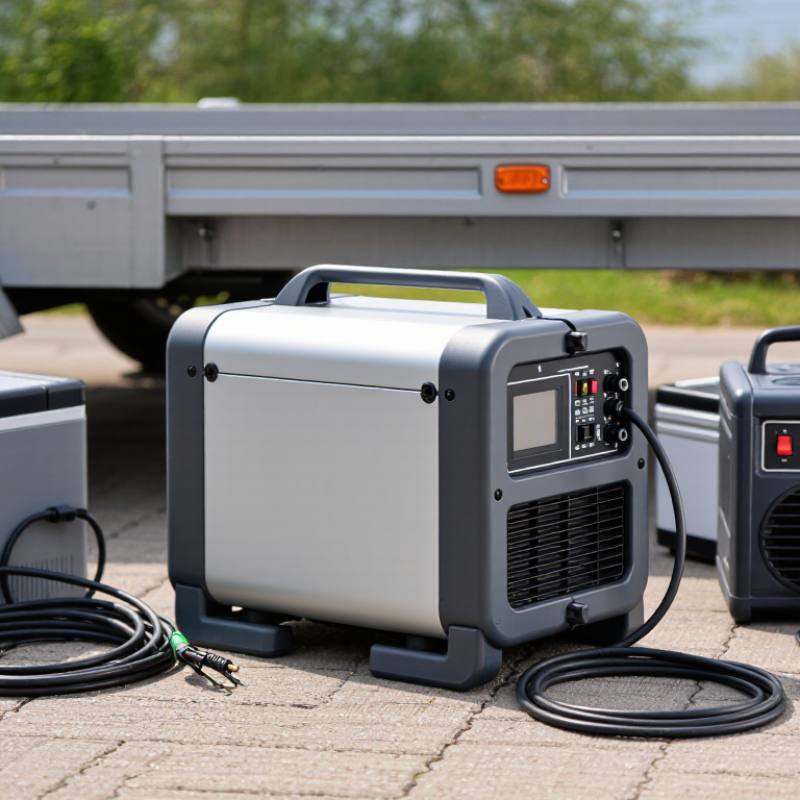
A trailer generator is a mobile power system mounted on a towable chassis. It combines an engine, alternator, fuel tank, control panel, and protective frame. The engine burns fuel and creates mechanical rotation. The alternator converts that rotation into electrical energy. A voltage regulator then stabilizes the output for connected equipment.
The basic process is simple. Fuel enters the engine, combustion moves the pistons, and the crankshaft spins the alternator. The control system monitors voltage, frequency, oil pressure, and temperature. If a serious fault appears, it should shut the unit down. ISO 8528-1 separates generator duties into continuous, prime, limited-time, and emergency standby ratings. Choosing the wrong category can shorten service life.
Demand is also becoming less forgiving. The International Energy Agency’s Electricity 2024 report forecasts global electricity demand growth of 3.3% in 2025 and 3.7% in 2026. Temporary power users therefore need accurate load planning. List running watts first, then add motor starting surges. Leave practical headroom, often around 15–25%, for unexpected loads. A neat calculation can still be wrong.
Check the trailer’s tow rating, braking system, grounding arrangement, cable length, and access space. Inspect for fuel leaks, damaged connectors, loose fasteners, and unusual exhaust smoke. Field experience matters here. A quiet-looking unit may still struggle with a large pump. Environmental conditions matter too. Heat, dust, altitude, and long cable runs can reduce available output. Choose by real operating conditions, not only the largest kW number.
Start with every electrical load your trailer will carry. Record each device’s running watts, starting watts, voltage, and expected daily use. Refrigerators, pumps, air conditioners, and compressors often need extra power during startup. A simple watt meter can reveal real consumption better than assumptions. Add the running watts for equipment used simultaneously. Then include the largest startup surge, not every surge added together.
Energy needs are different from power needs. Power determines generator size at one moment. Energy determines how long the system can operate. Multiply each device’s watts by its daily operating hours. Add the results in watt-hours, then allow 20 to 30 percent for losses and unexpected demand. For example, a 600-watt appliance running four hours requires about 2,400 watt-hours. Battery charging also adds load.
Temperature, altitude, extension-cord length, and poor maintenance can reduce available output. Select a generator with continuous capacity above your calculated demand, rather than relying on its peak rating. Check the trailer’s wiring, ventilation, grounding, and transfer equipment with a qualified professional. I would also test the setup under realistic conditions, with lights, cooling, and charging active together. My own calculations would not be treated as final; measured usage may expose an overlooked surge or an optimistic runtime estimate. Record those results and adjust the specification before purchase.
Choosing a trailer generator starts with its fuel type, not its advertised output. Diesel suits frequent, heavy-duty work because it usually offers strong torque and efficient fuel use. It can be louder and heavier, though. Gasoline models often start easily and cost less initially. However, they may consume more fuel during long, demanding jobs. Propane burns cleanly and stores well, but cold temperatures can reduce performance.
Match the engine design to the working environment. An air-cooled engine can serve lighter, shorter tasks with simpler maintenance. A liquid-cooled engine handles extended operation more steadily, especially near its maximum rated load. For sensitive equipment, an inverter design can provide cleaner, more stable electricity. Check the generator’s continuous rating, not only its peak figure. Motors and compressors may need extra starting power.
I once underestimated startup demand and selected a unit that looked adequate on paper. It struggled when several tools started together. That mistake changed my process. I now list every appliance, record its running watts, and add starting demand before comparing models. Small details matter. Consider trailer weight, axle capacity, fuel access, exhaust direction, and service intervals. A model with an accessible oil filter may save hours over a busy season. Local temperature, dust, and towing distance should influence the final choice, too.
How to Choose the Best Trailer Generator?
Portability begins with more than wheel size. Check gross trailer weight, tongue weight, axle capacity, brake hardware, and turning clearance. Weight matters. A compact unit may still overload a light-duty tow vehicle. Field inspections should include hitch pins, welds, tires, lighting, and lifting points. Inspect the frame after transport, not only before purchase. A generator that survives vibration needs flexible mounts, protected wiring, sealed connectors, and an enclosure resisting rain and dust. The U.S. Environmental Protection Agency’s nonroad engine standards also make emissions compliance an important specification, especially for diesel-powered equipment. Service access matters too. Awkward filters can turn routine maintenance into expensive downtime.
Safety and noise require measured evidence. Confirm carbon-monoxide protection, emergency shutdowns, guarding, grounding provisions, and a correctly rated transfer arrangement. Never judge sound from an empty-load demonstration. Test it under realistic demand. OSHA’s Technical Manual identifies 85 dBA as the eight-hour action level and 90 dBA as the permissible eight-hour limit. The WHO Environmental Noise Guidelines for Europe highlight sleep disturbance, so nighttime work deserves stricter noise control. Noise travels. Ask for sound-pressure data, measurement distance, and operating load. Some suppliers quote unusually low figures from ideal conditions. That is not automatically dishonest, but it deserves questions. Record readings beside the operator position and nearby residences. A quieter enclosure may restrict airflow, so inspect cooling performance during a sustained load test. Reliability is sometimes hidden in small details: drain placement, filter access, corrosion protection, and the clarity of the service manual.
This class-level benchmark compares typical portable generator categories. Higher scores indicate easier transport, stronger construction, more built-in protection, or lower operating noise.
The index is based on typical published specifications: dry weight and wheel systems for portability, frame and duty-cycle design for durability, common protective functions for safety, and rated sound pressure at approximately 7 metres for noise.
Choosing the best trailer generator requires more than comparing purchase prices. A lower-cost unit may consume more fuel, need frequent service, or lose value quickly. The U.S. Department of Energy’s FEMP lifecycle-cost guidance recommends counting acquisition, energy, maintenance, and disposal expenses. This matters on remote sites, where one service visit can involve transport, labor, and downtime.
Fuel deserves careful attention. The U.S. Energy Information Administration reported an average U.S. on-highway diesel price of about $4.21 per gallon in 2023. Regional and seasonal changes remain significant. A 100-hour monthly workload can therefore create a large operating gap between similar-sized generators. Check rated load, fuel burn at 25%, 50%, and 75% load, and standby consumption. Numbers can look clean. Real sites are messier. Poor load planning may increase wet stacking, noise, and unnecessary wear.
Tips: Build a three-year cost sheet before buying. Include fuel, oil, filters, tires, battery replacement, inspections, transport, and lost rental income. Compare maintenance records against ISO 8528 operating requirements, not sales claims alone. Ask for documented service intervals and cold-start performance. A practical trial under your expected load is valuable. My caution is simple: projected savings are not guaranteed. Weather, idle hours, and delayed maintenance can change the result. Choose the unit that remains economical after realistic operating assumptions.
| Evaluation Dimension | Compact Trailer Generator 25–50 kW | Mid-Size Trailer Generator 75–150 kW | Large Trailer Generator 200–500 kW | What to Evaluate |
|---|---|---|---|---|
| Typical purchase price | US$25,000–US$55,000 | US$55,000–US$130,000 | US$130,000–US$400,000+ | Compare purchase cost with expected annual operating hours, resale value, and required output. |
| Rated electrical output | 25–50 kW | 75–150 kW | 200–500 kW | Select a unit that covers peak load while avoiding prolonged operation below approximately 30% load. |
| Approximate fuel consumption at 75% load | 1.8–3.5 gal/hour | 4.5–9.5 gal/hour | 12–32 gal/hour | Actual consumption varies with engine efficiency, load profile, ambient conditions, and fuel type. |
| Fuel cost at US$4.00/gal | US$7–US$14/hour | US$18–US$38/hour | US$48–US$128/hour | Calculate fuel expense using local prices and the generator’s measured fuel curve rather than rated output alone. |
| Estimated annual fuel cost 1,000 operating hours | US$7,200–US$14,000 | US$18,000–US$38,000 | US$48,000–US$128,000 | Fuel is usually the largest operating expense, so efficiency has a major effect on total cost of ownership. |
| Routine service interval | Every 250–500 hours | Every 250–500 hours | Every 250–500 hours | Follow the engine manufacturer’s schedule for oil, filters, coolant, belts, batteries, and inspections. |
| Routine maintenance cost | US$800–US$1,800/year | US$1,500–US$3,500/year | US$3,000–US$8,000/year | Costs depend on service labor, duty cycle, parts availability, climate, and preventive maintenance compliance. |
| Major service planning | Usually at 6,000–12,000 hours | Usually at 6,000–12,000 hours | Usually at 6,000–12,000 hours | Use the specific engine manual; overhaul timing can change significantly with load, maintenance, and operating environment. |
| Expected service life | 10,000–20,000 operating hours | 12,000–25,000 operating hours | 15,000–30,000 operating hours | These are planning ranges, not guarantees; proper loading and scheduled service are critical. |
| Trailer and transport considerations | Lower towing demand; easier site access | Requires suitable tow vehicle and secure parking | May require heavy-duty towing equipment and route planning | Check gross trailer weight, braking, axle ratings, road regulations, and site access before purchase. |
| Noise and emissions requirements | Generally easier to control | May require additional site controls | Often requires detailed permitting and emissions planning | Verify local noise limits, emissions regulations, exhaust routing, and required permits. |
| Estimated five-year ownership cost Excluding financing and operator labor | US$65,000–US$135,000 | US$165,000–US$340,000 | US$550,000–US$1,100,000+ | Includes purchase, estimated fuel, routine maintenance, and an allowance for repairs; subtract expected resale value for net cost. |
| Best-fit application | Small construction sites, events, backup power, and remote tools | Commercial projects, temporary facilities, pumps, and medium-size worksites | Large construction projects, industrial loads, utilities, and primary temporary power | Choose based on measured load demand, runtime, mobility needs, and the cost of downtime. |
Planning note: Cost ranges are general industry estimates in U.S. dollars. Actual values vary by generator configuration, engine specification, fuel price, operating load, service rates, local regulations, and site conditions.