
How to Choose a Plastic Jerry Can 5 Ltr in 2026?

Choosing a Plastic Jerry Can 5 Ltr in 2026 is a practical decision, not just a capacity check. A container that looks sturdy on a screen may feel awkward when filled. Its handle, base, and grip all affect everyday use.

Packaging engineer Maya Chen is a fictional expert voice created for this introduction. Her illustrative rule of thumb is: “Match the container to the liquid, closure, and handling conditions—not capacity alone.” Treat that as guidance, not a sourced quotation. For a real purchase, check the manufacturer’s product data and confirm material compatibility for the intended contents.

Look closely at the plastic type, wall thickness, cap design, and opening size. A narrow neck can limit pouring speed. A loose-fitting cap can cause trouble during transport. Notice whether the base sits flat and whether the handle leaves enough room for gloved fingers. Small details matter.

The sections ahead explain how to compare these features, assess durability, and judge ease of cleaning. They also cover storage conditions and product documentation. Requirements can vary by use and location, so avoid assuming that one can suits every purpose. Some product pages leave important details unclear. That deserves a second look.

A sensible choice balances capacity, compatibility, and handling. Not appearance alone.
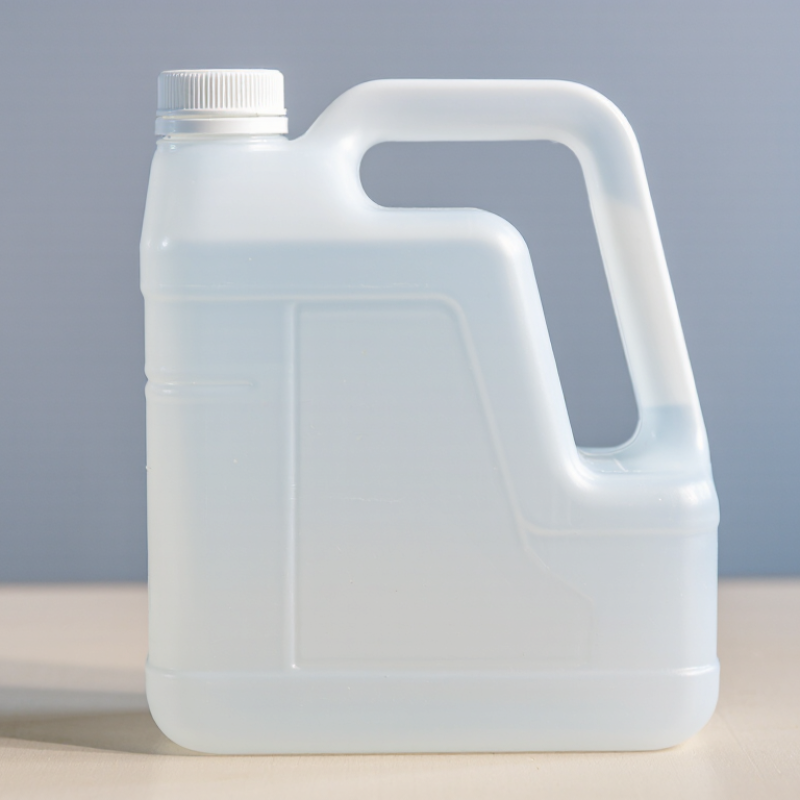
How to Choose a Plastic Jerry Can 5 Ltr in 2026?

Define the Intended Use and Liquid Compatibility

Before choosing a 5-litre plastic jerry can, define exactly what it will hold and how it will be used. Water, cleaning solutions, oils, and agricultural liquids can affect plastics and seals differently. High-density polyethylene is common in portable containers, but it is not compatible with every formulation, concentration, or storage temperature. Check the liquid’s safety data sheet and the container supplier’s compatibility guidance. Consider contact time, heat, sunlight, and whether the can will be reused. A brief test may help, but it cannot replace verified compatibility information. Looks can mislead.

Compatibility also depends on the cap, liner, and spout—not just the can body. A liquid that causes no visible change may still soften a seal or produce a slow leak. OECD’s 2022 Global Plastics Outlook estimates that packaging generated about 40% of global plastic waste in 2019. That figure is a useful reminder to match packaging to its real service life, rather than selecting by capacity alone. For a 5-litre container, check that the material is suitable for the specific liquid and intended contact conditions. I would not assume “chemical-resistant” means universally safe; that wording needs a closer look.

Check the Plastic Type and Chemical Resistance

When choosing a 5-litre plastic jerry can, check the resin, not just the shape. High-density polyethylene (HDPE) is common, but “HDPE” alone does not prove compatibility. PlasticsEurope’s Plastics – the Fast Facts 2024 reports global plastics production of 400.3 million tonnes in 2022. That figure shows the material’s scale, not its resistance to your contents. Important distinction.

Check the exact liquid, concentration, temperature, and storage time against the container maker’s compatibility data. ASTM D543-20 and ISO 175:2010 describe methods for assessing plastics exposed to chemical reagents or liquid chemicals. These tests can guide evaluation, but results depend on the specific resin and test conditions. A chart marked “good” may not reflect warm storage or repeated use.

Inspect the cap and any liner too; they may use different polymers. Look for swelling, softening, cracks, leaks, or changes in the liquid after a controlled compatibility check. Ask for test results covering the intended contents and conditions. If evidence is missing, don’t guess. I would treat a generic compatibility chart as a starting point, not a guarantee. The awkward part is that a can may look unchanged while its closure slowly weakens.

How to Choose a Plastic Jerry Can 5 Ltr in 2026? - Check the Plastic Type and Chemical Resistance

Check What to look for Why it matters Practical verification
Main container material High-density polyethylene (HDPE), commonly marked with resin code 2 HDPE is widely used for rigid containers and has good resistance to water, many dilute acids, alkalis, and a range of aqueous solutions. Check the material specification and confirm compatibility with the exact liquid, concentration, temperature, and storage duration.
Cap and closure material Often polypropylene (PP) or HDPE; the seal may be a separate elastomer such as polyethylene foam or another gasket material. The closure and gasket contact the contents too. A compatible can body does not guarantee a compatible cap seal. Ask for the materials of all wetted parts, including the liner, gasket, spout, and any vent.
Chemical compatibility A compatibility chart or written confirmation for the specific chemical and its concentration Resistance can change with concentration, temperature, exposure time, stress, and the container’s manufacturing grade. No plastic is universally resistant. Use a supplier compatibility guide as an initial screen; seek chemical-supplier advice or conduct a suitable compatibility test for critical uses.
Solvents and hydrocarbons Specific approval for the particular solvent, oil, or fuel; do not assume standard HDPE is suitable. Some organic liquids can permeate, swell, soften, or otherwise affect plastics and seals. Fuel transport may also be subject to regulatory requirements. Check the exact product’s chemical-resistance data and relevant local transport rules. Use only a container explicitly approved for that purpose.
Capacity and headspace Confirm whether “5 L” means nominal capacity or usable fill capacity, and follow the marked fill line if present. Liquids can expand with temperature changes. Adequate headspace helps prevent leakage or pressure-related problems during storage and handling. Read the manufacturer’s fill instructions; do not fill beyond the stated maximum.
Wall and handle design Rigid walls, a securely formed handle, and a stable base suited to the intended load and handling conditions. The liquid’s weight, impact, stacking, and repeated handling affect container performance. Nominal capacity alone does not show how robust a can is. Check the rated contents and handling guidance. Inspect for cracks, deformation, weak seams, or a loose closure before use.
Light and weather exposure UV-stabilized material if the can will be stored outdoors; opaque or suitably protected packaging for light-sensitive contents. Prolonged sunlight can contribute to polymer ageing, while light may degrade some contents. UV stabilization does not make a container immune to weathering. Confirm outdoor-storage suitability and follow the specified storage life and conditions.
Food or drinking-water use Documentation showing the container and closure meet the applicable food-contact or drinking-water requirements for the intended market. A resin identification code or the word “HDPE” alone does not establish food-contact compliance or suitability for potable water. Request applicable compliance documentation and cleaning instructions; avoid containers previously used for chemicals.
Dangerous-goods transport A valid UN performance marking and packaging approval appropriate to the substance and transport mode, where regulations require it. A 5 L capacity or chemical-resistant material does not by itself make a jerry can compliant for dangerous-goods transport. Verify the marking, packing group, substance compatibility, and current applicable transport regulations before shipping.

Selection note: Treat material descriptions as a starting point, not a compatibility guarantee. Confirm the complete container-and-closure assembly for the intended contents and conditions.

Assess the Cap, Seal, Handle, and Pouring Design

How to Choose a Plastic Jerry Can 5 Ltr in 2026?

Start with the cap and seal. The cap should engage smoothly without cross-threading, even when your hands are damp. Look for a seal that sits evenly and remains inside the closure when opened. A loose or flattened seal can make a sound cap unreliable. Check the maker’s compatibility guidance for the liquid you plan to store; plastic type alone does not confirm suitability. Small parts matter. Eurostat reported that the EU generated 36.1 kg of plastic packaging waste per person in 2022, with 41% recycled. That figure is not a test of jerry-can quality, but it underlines why durable, reusable packaging deserves careful selection.

Next, test the handle and pouring design with a full can, if possible. Five litres of liquid can feel awkward when the grip is narrow, sharp-edged, or positioned too far from the centre of mass. A broad handle with rounded edges usually feels steadier during a short carry. Check whether the spout gives a controlled stream and leaves enough clearance above the receiving container. An air vent can help prevent glugging, though its placement and closure still need inspection. Check it wet. I would not judge a can by a showroom pour alone; a small dribble at the spout can become a real nuisance after repeated use. Look for clear capacity marks and inspect the cap, seal, and handle for cracks before each refill.

Verify Safety Standards and 2026 Regulatory Compliance

When choosing a 5-litre plastic jerry can in 2026, check its intended use before comparing shape or price. A can for water may need different documentation from one used for chemicals or transport. Look for clear material identification, capacity, batch traceability, and any required safety markings. A neat label is not proof of compliance. That detail is easy to miss.

Ask the supplier for current test records and a written declaration covering the can’s intended use. If it will carry regulated goods, confirm whether the packaging needs applicable UN performance testing and markings; do not assume every 5-litre container qualifies.

Requirements can differ by destination, contents, and transport method, and they may change. Check the relevant authority’s current guidance for 2026.

Food-contact use also requires suitable materials and documentation, not merely a clean-looking interior.

Inspect the can in person when possible. Press the walls gently, check for cracks around the handle, and examine the cap seal for an even fit.

I would not rely on appearance alone; it feels reassuring, but proves little.

Ask whether the container was tested with the specific liquid, since some plastics can weaken or swell. Keep the documents with the purchase record, and review them when the supplier or intended use changes.

Compare Durability, Usability, and Overall Value

Choosing a 5-litre plastic jerry can means weighing toughness against everyday handling. Check the resin type, wall thickness, seams, and handle before comparing prices. A can that feels sturdy when empty may flex when full, so inspect the base and grip under realistic conditions. Small details matter. A wide opening can make filling easier, while a secure cap and clear fill markings help reduce spills. Ask whether the container has been tested for the liquid you plan to store; plastic compatibility varies, and “durable” does not mean suitable for every use.

Value also includes how long the can remains useful and whether it can be reused safely. The OECD’s Global Plastics Outlook reports that packaging accounted for 40% of plastic waste generated in 2019. That figure is a reminder to consider service life, not just purchase price. Look for clear cleaning guidance, replaceable or dependable closures, and a shape that stacks without rocking. Compare weight, dimensions, and pouring control, too. A very light can may be convenient, but thin walls can dent or deform more readily. I would not judge quality by appearance alone; a small leak after repeated handling can outweigh a modest saving.

How to Choose a Plastic Jerry Can 5 Ltr in 2026?

Compare durability, usability, and overall value using practical checks—not brand ratings.

Usability: The liquid alone weighs about 5 kg when carrying 5 litres of water; the can adds extra weight. Other liquids vary in weight, as shown. Values are approximate and based on typical densities at around 20°C.

Durability: Check the can’s material, wall construction, closure, leak resistance, and suitability for the liquid and storage conditions. For hazardous goods, verify that the specific container meets the applicable transport requirements.

Overall value: Compare price alongside capacity, verified performance, ease of pouring, and expected service life. Never use a container for a liquid unless it is specifically suitable for that liquid.

Go to Top