How to Choose the Best Cattle Ear Tag for Your Farm?
Selecting the right cattle ear tag is crucial for effective herd management. According to industry reports, accurate identification can lead to a 30% increase in productivity. Cattle ear tags help farmers track vital information such as health records, breeding history, and movement. This identification is not merely a convenience; it is essential for compliance with regulations.
The variety of options available can be overwhelming. For instance, plastic tags are lightweight and cost-effective, while electronic tags offer advanced tracking features. A study showed that 40% of farmers use electronic tags, highlighting their growing popularity. However, not every system is perfect; farmers sometimes struggle with tag durability and visibility.
Understanding the specific needs of your operation is key. Are you managing a small dairy farm or a large beef production? Each scenario may require different tagging solutions. Reflections on feedback from peers can guide your decisions. Choosing the right cattle ear tag is not just a purchase; it’s a critical step towards improved farm management.
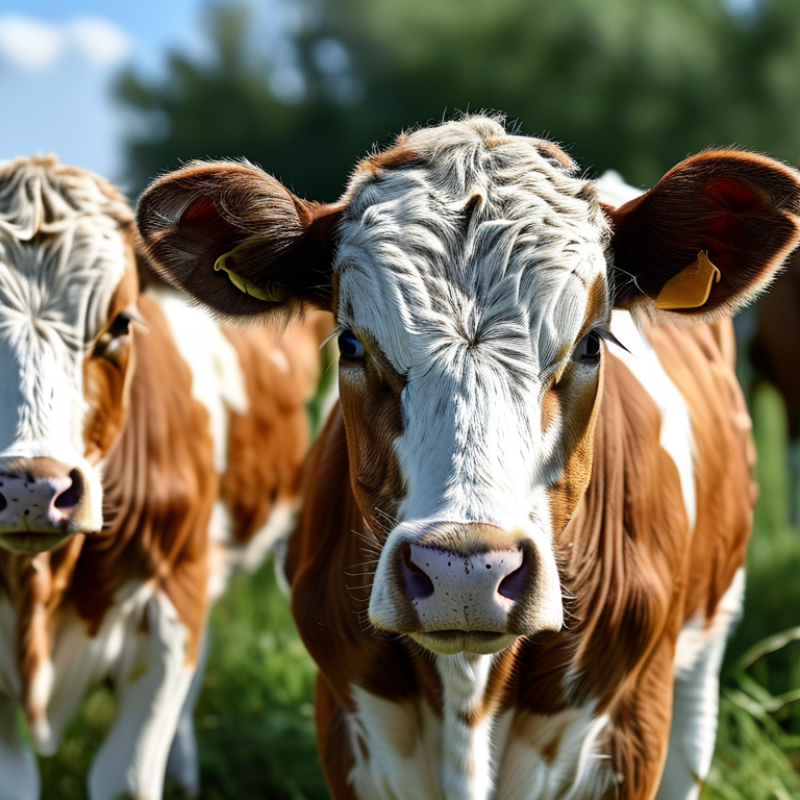
Factors to Consider When Choosing Cattle Ear Tags
Choosing the right cattle ear tag is crucial for effective farm management. One of the primary factors to consider is visibility. Tags should be brightly colored and easy to read from a distance. Clear numbering is vital for quick identification. This helps during herd inspections or veterinary care. A tag that blends in with a cow’s fur can lead to confusion.
Durability is equally important. Tags must withstand harsh weather conditions and rigorous handling. They should be tough enough to resist wear and tear. Some tags are made from materials designed to endure fading from sunlight and abrasion from other cattle. However, finding a balance between toughness and comfort for the animal can be challenging. Ensuring the tag doesn’t cause irritation is essential for the animal's well-being.
In addition to these factors, consider the tagging method. Different farms may prefer different types of fasteners. Some methods are easier for producers but may not stay secure for long. Evaluating your specific needs and the activity level of the herd can help. Reflecting on these aspects will lead you to a more informed choice regarding ear tags.
Types of Cattle Ear Tags: Pros and Cons
Choosing the right cattle ear tag is vital for effective herd management. Different types of ear tags offer various benefits and drawbacks. For instance, plastic tags are lightweight and cost-effective. They commonly feature barcodes or QR codes for easy identification. However, they can fade over time, making them less reliable.
Metal ear tags are known for their durability. They are resistant to fading and can withstand harsh environmental conditions. Yet, they can be heavier, which may cause discomfort to some cattle. According to a study by the American Cattlemen Association, 30% of farmers reported that metal tags last longer than plastic ones.
Radio-frequency identification (RFID) tags are gaining popularity due to their advanced tracking capabilities. These tags allow for quick data collection and can be scanned from a distance. However, they require an initial investment that might deter some farmers. A report by the National Agriculture Statistics Service indicates that only 25% of farms have adopted RFID technology so far. Each option presents unique challenges, suggesting a careful evaluation of specific farm needs and conditions.
Material and Durability: What to Look For
When selecting cattle ear tags, material and durability are critical factors. Cattle tags often endure extreme weather and rough handling. According to industry reports, tags made from high-quality plastic or polyurethane last longer than cheaper alternatives. Research shows that tags made from flexible materials reduce the risk of tearing or breaking, ensuring a longer lifespan and better identification for your herd.
When considering durability, think about the environment your cattle are in. Tags must withstand sun exposure, rain, and physical impact. A study by the American Cattlemen's Association revealed that UV-resistant tags significantly outlast standard options. This is particularly vital for farms located in regions with harsh climates.
Tip: Always look for tags that have been tested for durability in conditions similar to yours. This helps guarantee their effectiveness over time.
Another aspect to note is the visibility of the tags. Bright colors aid in easy recognition from a distance. Research indicates that reflective or fluorescent materials enhance visibility, especially during low light conditions. The right tag should survive everyday challenges while remaining easy to read.
Tip: Consider using tags with unique designs that facilitate identification without relying solely on color. It can make herd management much smoother.
Tag Size and Visibility: Importance for Identification
When choosing the best cattle ear tags, size and visibility are crucial factors for effective identification. A tag that is too small may be hard to read from a distance. Conversely, an oversized tag can cause discomfort and increase the risk of loss. Aim for a size that is readable yet comfortable for the animal. High visibility colors can significantly improve identification in various lighting conditions.
Tips: Bright colors are easier to spot. Consider using combinations of colors for more visibility. Reflective materials can also enhance visibility during low-light conditions.
An effective ear tag should balance size, shape, and material. A flat tag can prevent rubbing and irritation, while a rounded design may offer comfort to cattle. Think about the environment, too. Tags that withstand harsh weather and are resistant to fading will last longer.
Tips: Test tags in different conditions. Regularly check for wear and tear. Replace any that show signs of damage to maintain a strong identification system. This can save time and avoid confusion in the herd.
Cost vs. Quality: Making an Economical Choice
When selecting cattle ear tags, balance cost and quality wisely. The initial price of tags can greatly influence your budget. However, cheaper options may not last long, leading to higher replacement costs. Quality tags endure wear and tear better. Consider what materials provide durability in your environment. High-quality tags resist fading and tearing, reducing long-term expenses.
Durability is essential, but you also need to assess function. Tags with clear numbering or barcoding enhance tracking. Easy visibility saves you time during daily routines. Tags that are hard to read create confusion. Reflect on how often you handle these tags. A durable tag may be a small investment, yet it holds significant value.
Always weigh the pros and cons. A low-cost tag might appeal initially, but poor performance could lead to frustration. Consider the specific needs of your farm. Are tags exposed to heavy weather? If so, invest in better quality. Analyze your specific situation to guide your choice. Self-reflection is vital when making this decision.