How to Choose the Best Stainless Steel Wire Mesh for Your Needs?
Choosing the right stainless steel wire mesh can be crucial for various applications. According to expert John Smith, a leading authority in the wire mesh industry, "The right mesh can enhance both safety and efficiency." His insights underscore the complexity in selecting the proper type and grade for specific needs.
Stainless steel wire mesh is used in countless industries. It serves as a filter in food production and offers support in architectural designs. Each application requires different specifications. Consider the mesh size, tensile strength, and corrosion resistance. A mismatch can result in ineffective performance or increased costs.
Many users may overlook the importance of quality standards. Not every stainless steel wire mesh is created equal. Understanding your project’s requirements is vital. Take time to assess both current needs and future demands. This careful evaluation can save you from regrettable choices down the line.
Understanding the Different Types of Stainless Steel Wire Mesh Materials
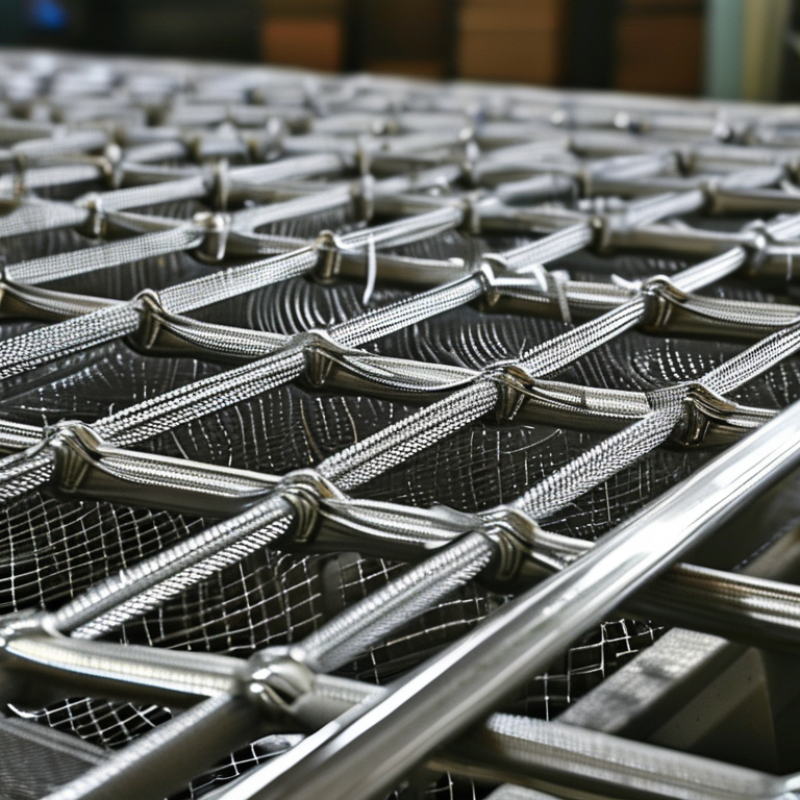
When selecting stainless steel wire mesh, understanding material types is crucial. Stainless steel wire mesh is categorized mainly into 304 and 316 grades. 304 stainless steel is versatile and affordable. It's suitable for indoor applications and environments with low corrosion risk. However, its durability may falter in harsh conditions.
On the other hand, 316 stainless steel offers superior resistance to corrosion and oxidation. This makes it ideal for marine environments or chemical processing applications. The added molybdenum in 316 provides extra protection. If you're unsure, it's worth considering your specific needs and environment. Choosing the wrong type may lead to quicker degradation or replacements.
It's important to assess both the mesh's weave and its thickness. A tighter weave provides better filtration but can be less flexible. In contrast, a looser weave enhances flow but may sacrifice some strength. Reflect on what factors matter most in your application. Sometimes, the optimal choice is not the most obvious one. Balancing cost, durability, and performance can be challenging, but it's essential for achieving your desired results.
Key Factors to Consider When Choosing Wire Mesh Specifications
Choosing the right stainless steel wire mesh involves several key factors. One crucial aspect to consider is the wire diameter. A thicker wire may provide strength but can limit flexibility. In contrast, a thinner wire offers greater versatility but may not withstand heavy loads. Understanding your application helps determine the right balance.
Another important specification is mesh opening size. Larger openings allow for better airflow and drainage but might not filter smaller particles effectively. Conversely, smaller openings capture fine materials well but can become clogged easily. Assess your specific needs to find the ideal mesh size.
When selecting wire mesh, think about the environment it will face. Will it be outdoors, exposed to the elements? Consider corrosion resistance for longevity. Additionally, it's wise to reflect on the installation method. Some meshes require special handling or tools, which can affect your project timeline and budget. Always verify if you're equipped for the installation requirements before proceeding.
Common Applications of Stainless Steel Wire Mesh in Various Industries
Stainless steel wire mesh is widely used across various industries. In food processing, it ensures hygiene and safety. The mesh allows for efficient drainage while preventing contamination. Its durability can withstand harsh cleaning processes, making it ideal for this sector.
In construction, stainless steel mesh provides strength and stability. It's commonly used in concrete reinforcement. The mesh helps improve the tensile strength of structures, reducing the risk of cracks. Additionally, it is resistant to rust and corrosion, ensuring longevity in challenging environments.
Another notable application is in filtration systems. Stainless steel mesh filters particles in liquids and gases. It helps maintain the quality of fluids in numerous industrial applications. While effective, selecting the appropriate mesh size is critical for desired filtration results. A miscalculation can lead to inefficiencies or product loss in manufacturing. Assessing specific needs and testing options can lead to better outcomes.
How to Determine the Right Wire Mesh Opening Size for Your Project
Choosing the right wire mesh opening size is crucial for your project's success. Consider the specific application and the materials you want to filter or contain. Different tasks require different mesh sizes. If you're using the mesh for safety or security, a tighter mesh is often necessary. A larger opening may be suitable for ventilation or drainage.
When determining the opening size, think about what particles or materials will pass through. For instance, a mesh with quarter-inch openings may work for larger debris, but will not stop smaller objects. If your project involves fine materials, a mesh with smaller openings is essential. Test samples with various sizes to see what works best.
Another factor to consider is the durability of the stainless steel wire mesh. Thicker wires may provide more strength, especially if physical stress is a concern. If your project is temporary, flexibility in mesh size may help save costs. Reflect on your specific needs and test the options available to find the most effective solution.
Cost Considerations and Quality Assessment for Stainless Steel Wire Mesh
Cost considerations play a crucial role when selecting stainless steel wire mesh. Prices can vary significantly based on the type of stainless steel used, the mesh size, and the manufacturing method. Understanding these factors can help you make informed decisions. Stainless steel wire mesh is generally more expensive than other materials, but it offers durability and resistance to corrosion. Assess your budget carefully to find the right balance between cost and quality.
When considering quality, evaluate the mesh's wire diameter and weave pattern. A thicker wire typically indicates better strength and durability, but it may also increase the cost. Different weave patterns can affect the mesh's filtration efficiency. For example, tighter weaves are ideal for filtration applications. Look for materials that meet industry standards; this ensures reliability in performance.
Tips for choosing– always request samples before committing to a large order. Examine how the mesh handles bending and tension. It's essential to inspect the finish; it should be smooth and free from defects. This attention to detail can prevent issues later on. Ensure you are aware of the intended application and durability requirements for the best outcome.
How to Choose the Best Stainless Steel Wire Mesh for Your Needs?
| Mesh Type |
Wire Diameter (mm) |
Aperture Size (mm) |
Material Grade |
Cost per Square Meter ($) |
Applications |
| Standard Stainless Steel |
1.0 |
2.0 |
304 |
30 |
Filtration, Sifting |
| Heavy Duty Mesh |
2.0 |
5.0 |
316 |
50 |
Industrial Applications |
| Fine Mesh |
0.5 |
1.0 |
304 |
25 |
Food Industry, Screening |
| Custom Mesh |
Varies |
Varies |
Various |
Price on Request |
Specialized Applications |