Choosing the right steel wire mesh can significantly impact your project. It plays a crucial role in various applications, such as construction, fencing, and industrial uses. Understanding the different types and specifications of steel wire mesh is essential for making an informed decision.
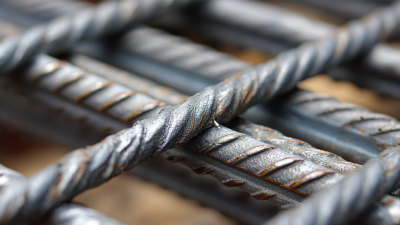
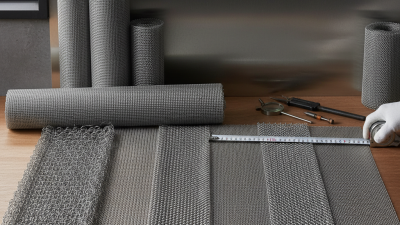
Steel wire mesh comes in various sizes, thicknesses, and materials. Each combination serves a specific purpose. For example, a heavier gauge mesh is ideal for reinforcing concrete. On the other hand, lighter options might suffice for fencing or decorative applications. Knowing your project's requirements is key.
It's common to overlook the importance of proper selection. Choosing the wrong steel wire mesh can lead to structural failures or increased costs. Do thorough research and consider consulting experts. This approach ensures you select a reliable product that meets your needs effectively.

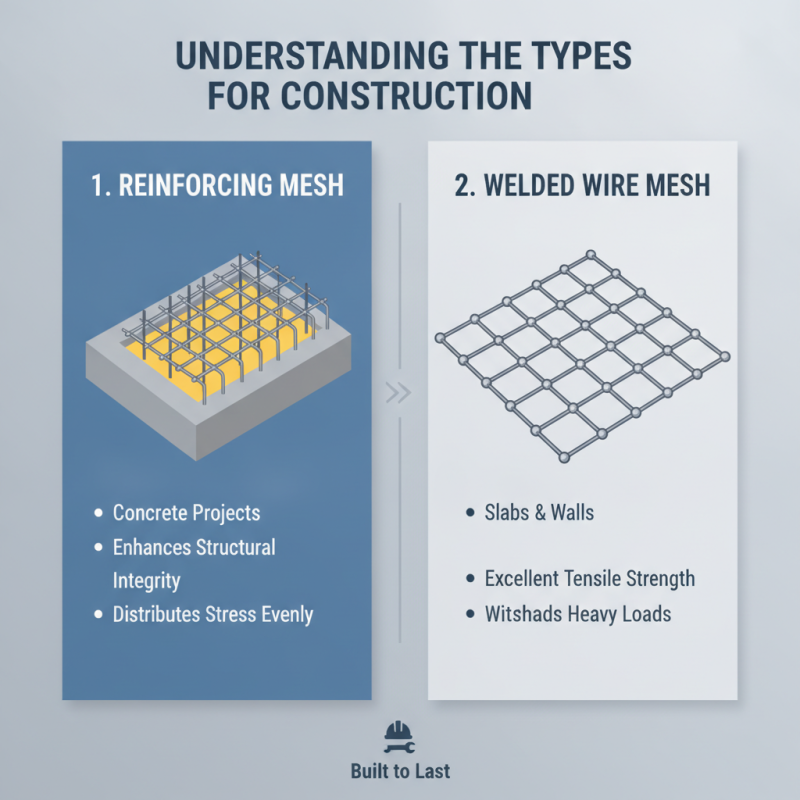
When selecting steel wire mesh for construction, understanding the various types is crucial. Reinforcing mesh is often used for concrete projects. It enhances structural integrity, distributing stress evenly. Welded wire mesh, made from steel wires that are welded together, is ideal for slabs and walls. It provides excellent tensile strength and can withstand heavy loads.
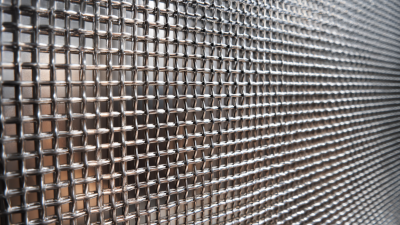
Another option is expanded metal mesh. This type is typically used for security applications and architectural features. Its unique design allows for airflow and visibility while maintaining strength. Additionally, there are various gauges and wire sizes to consider. Thicker wires offer greater strength but may be heavier and costlier. Choosing the right type depends on your specific requirements.
It’s important to reflect on potential challenges. Some projects may demand specific mesh types that are not readily available. Supply chain issues can complicate timely access. Furthermore, improper installation can diminish the benefits of the mesh. Taking the time to assess the project’s demands and potential obstacles is essential for success. Consider consulting with experts in the field to ensure you make an informed decision.
Choosing the right wire diameter and opening size is crucial for optimal performance in steel wire mesh projects. According to the Wire Reinforcement Institute, a wire diameter between 0.5 mm and 2.0 mm is standard in many applications. This range offers a balance between strength and flexibility. Thicker wires generally provide higher load capacity but may reduce flexibility. A thicker wire may seem ideal, yet it can lead to a stiff mesh that does not conform to surface irregularities effectively.
Wire opening size also plays a critical role in project outcomes. Smaller openings enhance filtration and support for finer aggregates in concrete. Industry data shows that an opening size of 1 inch is common in construction applications. However, choosing an opening size that is too small can trap sediment, leading to blockage issues in drainage systems. It is essential to evaluate the specific requirements of your project to prevent potential complications.
Determining ideal wire diameter and opening size requires careful consideration. Each project presents unique challenges. An inexperienced selection can result in performance issues. Assessing the application and environment helps ensure suitable choices. Don't overlook the impact of these specifications on durability and maintenance.
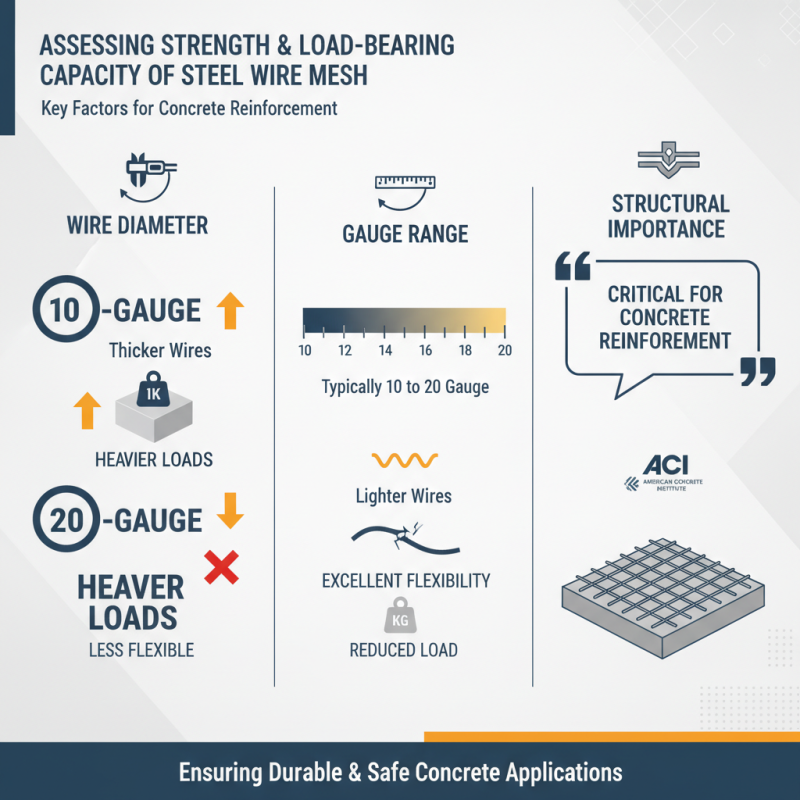
When assessing the strength and load-bearing capacity of steel wire mesh, several factors come into play. One significant aspect is the wire diameter. Typically, wire gauges range from 10 to 20. Thicker wires, like 10-gauge, can carry heavier loads but may be less flexible. Conversely, lighter gauges offer excellent flexibility but reduced load capacity. According to the American Concrete Institute, a wire mesh's strength is critical for concrete reinforcement, especially in structural applications.
The spacing of the wires also influences performance. A common configuration is a 6x6 inch spacing, providing decent load distribution. However, tighter spacing increases overall strength, especially in high-load scenarios. For example, a study by the International Journal of Structural Engineering revealed that reducing the distance between wires increases the mesh's load-bearing capacity by as much as 30%. This is essential when dealing with heavy machinery or dynamic loads.
Furthermore, environmental factors like corrosion resistance play a role in mesh performance. In coastal areas or chemical environments, opting for galvanized or stainless steel is crucial. Yet, these materials can increase costs. Reflecting on these details allows for informed decisions when selecting the right steel wire mesh for specific projects, ensuring stability and safety.
When selecting steel wire mesh, coating options play a crucial role in its performance and longevity. The common coatings include zinc, polyester, and PVC.
Zinc's galvanization offers excellent corrosion resistance. It creates a barrier that protects the steel core. However, the effectiveness of this coating can diminish with time, especially in harsh environments. Regular inspections can help identify deterioration.
Polyester and PVC coatings provide additional protection. These coatings are often used for aesthetic purposes. They can add color and improve resistance to UV rays. However, they may not withstand heavy impacts. If the mesh is used in high-stress applications, it’s vital to consider this limitation.
Proper evaluation of the project’s conditions can guide the right choice.
Corrosion resistance remains a priority. Environmental factors affect the lifespan of any coating. In coastal areas, for example, salt and moisture can accelerate corrosion. Understanding these influences is critical. Selecting the right coating not only protects the steel wire mesh but also aligns with the project’s specific needs. While there is no one-size-fits-all solution, careful consideration will yield favorable outcomes.
When selecting the right steel wire mesh for your project, it's crucial to consider both cost-effectiveness and availability. According to a 2022 industry report by the American Steel Wire Association, the price of wire mesh can vary significantly based on material, gauge, and production methods. For instance, a standard welded wire mesh may range from $0.10 to $1.00 per square foot, while heavier gauge options can exceed $3.00 per square foot. This variation highlights the need for detailed calculations, particularly when budgeting for large projects.
Moreover, availability plays a significant role in decision-making. Many suppliers face supply chain challenges, leading to inconsistent stock levels. A survey conducted in early 2023 indicated that 45% of construction projects experienced delays due to material shortages. Assessing local suppliers and understanding lead times can prevent unforeseen issues. It’s essential to weigh the immediate costs against potential delays and project timelines. Cost-effectiveness is not solely about upfront prices; it also includes long-term reliability and performance.
Ultimately, knowing the characteristics of different wire mesh types helps make informed decisions. Specialty meshes, such as galvanized or coated options, might cost more initially. Yet, their durability can lead to savings by reducing maintenance costs. Comparing these factors will yield a better understanding of the overall investment and project timeline.