
How to Choose the Best Fluorinated Rubber Supplier?

Choosing the best Fluorinated Rubber supplier requires more than comparing prices. FKM compounds can look similar on paper. Their performance may differ sharply in heat, fuel, chemicals, and compression environments. A dependable supplier explains those differences clearly.

Dr. James E. Mark, a respected polymer scientist, observed, “The properties of polymers are determined by their molecular structure.” That principle matters when reviewing a supplier’s material data. Ask about polymer grade, fluorine content, curing system, hardness tolerance, and operating temperature. Request test results for compression set, tensile strength, elongation, and volume change. A confident supplier should provide traceable batch records, technical data sheets, and realistic limitations.

Look closely at the sample.

A small O-ring can reveal surface defects, inconsistent color, or poor molding control. However, appearance alone proves little. Test the compound with your actual fluids, pressure cycles, and temperatures. A supplier may recommend standard FKM for one application, while another requires a low-temperature, peroxide-cured, or high-fluorine grade. Those details affect service life.

Supplier reliability also deserves practical attention. Review production capacity, quality certifications, inspection procedures, and response times. Ask how rejected batches are handled. Ask difficult questions. Vague answers are warning signs.

The lowest quotation may become expensive after swelling, leakage, or premature replacement. I have seen technical specifications treated as decoration, which is a mistake. Selection is not perfect on the first attempt. Recheck assumptions with testing, field feedback, and independent laboratory analysis. The strongest supplier is not simply the cheapest or largest. It is the partner that connects verified material behavior with your real operating conditions.
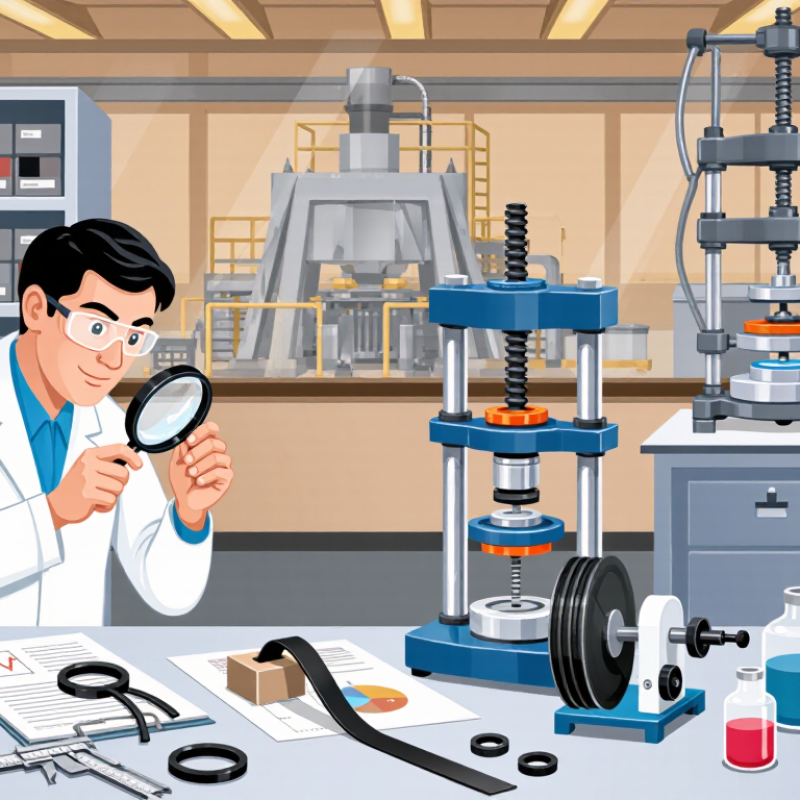
How to Choose the Best Fluorinated Rubber Supplier?

What Fluorinated Rubber Is and Why Supplier Choice Matters

How to Choose the Best Fluorinated Rubber Supplier?

Fluorinated rubber, commonly called FKM, is an elastomer designed for heat, fuel, oil, and aggressive chemicals. Its fluorine content supports low swelling and long sealing performance. ASTM D1418 identifies FKM as a fluorocarbon rubber family. However, the label alone proves very little. Compound design, curing conditions, and filler selection can change performance significantly.

A 2024 Grand View Research assessment valued the global fluoroelastomers market at about USD 1.6 billion in 2023. It also projected steady growth through 2030, driven by automotive, aerospace, and chemical equipment demand. This growth increases supplier choices, but not necessarily supplier quality. A capable supplier should provide batch traceability, technical data sheets, certificates of analysis, and test results for compression set, tensile strength, hardness, and chemical resistance. Ask whether testing follows recognized methods, such as ASTM D395 for compression set.

A practical evaluation needs more than a polished catalog. Request samples made from the proposed compound, then test them under real temperature, pressure, and fluid conditions. Check storage controls, mixing records, mold consistency, and response time for technical questions. A Smithers industry review also highlights the importance of material reliability in demanding sealing applications. That point is easy to underestimate. We often focus on price before failure costs. No supplier is perfect, and published data may not represent every production batch. An on-site audit, independent testing, and a small qualification order can expose weaknesses before they reach production.

Key Supplier Qualifications to Verify Before Ordering

Choosing the best fluorinated rubber supplier starts with verifying qualifications, not comparing prices alone.

A capable supplier should provide clear material specifications, batch traceability, and recent test records. Check resistance data for heat, chemicals, compression set, and fuel exposure. These figures should match your actual operating conditions.

Ask about production equipment, quality-control procedures, and technical staff experience. A qualified supplier can explain how compounds are mixed, molded, inspected, and stored.

Request sample parts or small trial batches before placing a large order. Inspect surface finish, dimensions, elasticity, and sealing performance.

Also verify quality certifications, inspection standards, and corrective-action records. A polished website proves little. Specific evidence matters more.

Tips:

Ask how failed batches are handled. Confirm lead times using written capacity details. Request a certificate for every shipment. Discuss storage conditions, shelf life, and packaging before ordering.

Keep communication records. One overlooked detail can become a costly delay.

I would also ask for references from similar applications, although references cannot replace independent testing. A supplier may appear technically strong but still lack reliable delivery control. Leave room for that possibility.

How to Compare Rubber Grades, Performance, and Applications

Choosing a fluorinated rubber supplier starts with grade comparison, not price. FKM grades differ in fluorine content, cure chemistry, and resistance. ASTM D1418 identifies FKM as a fluorocarbon rubber family, but it does not define one universal performance level. Ask for hardness, tensile strength, elongation, compression set, and volume-change data. Test results should follow standards such as ASTM D412, ASTM D395, and ASTM D471.

Performance depends on the application. Standard grades often suit mineral oils, fuels, and elevated-temperature sealing. Low-temperature service may require a specialized grade. Higher fluorine content can improve chemical resistance, yet it may reduce flexibility in cold conditions. That trade-off matters in a seal exposed to both engine heat and winter storage. A 2024 market analysis from Grand View Research estimated steady fluoropolymer demand through 2030, driven partly by automotive and chemical processing applications. Growth does not guarantee consistent quality.

Review the supplier’s batch records, traceability, and technical support. Request compound-specific data at your actual temperature, pressure, and media exposure. A datasheet alone is not enough. In my experience, compression-set results often reveal more than headline tensile strength. However, accelerated testing can mislead when field conditions are poorly simulated. Compare samples after aging, not only before it. Also check ISO 1629 identification and independent laboratory verification. The cheapest compound may become costly after swelling, leakage, or premature replacement. Supplier selection should remain evidence-based, but the evidence must reflect your real operating environment.

How to Evaluate Quality Control, Certifications, and Traceability

How to Choose the Best Fluorinated Rubber Supplier?

Quality control should begin with evidence, not polished sales language. The ISO Survey 2023 recorded 1,265,216 ISO 9001 certificates worldwide, but certification alone does not prove compound consistency. Ask whether the certificate covers the actual production site. Check its scope, expiry date, audit findings, and corrective-action records. A reliable supplier should provide batch-specific certificates of analysis, not generic laboratory templates.

For fluorinated rubber, request test data for hardness, tensile strength, elongation, compression set, and cure behavior. The methods should reference recognized standards, such as ASTM D1418 or ISO 1629 for material classification. Confirm laboratory competence through ISO/IEC 17025 accreditation, especially when testing supports critical applications. I would also inspect mixing logs, mold temperatures, cure times, and retained samples. Small gaps matter.

Traceability must work backward and forward. A lot number should connect raw-material receipts, formulation, mixing operator, equipment, curing record, inspection result, and shipment date. Ask the supplier to demonstrate this process using one real, anonymized batch. GS1’s Global Traceability Standard emphasizes event-based records, which help companies identify affected goods faster during quality investigations. Digital systems are useful, though software cannot repair weak discipline. I have seen impressive dashboards with incomplete records. Request change-notification procedures for raw materials, tooling, recipes, and subcontracted testing. Then compare the supplier’s documents with an actual production sample. Suppliers may dislike that question. It is still necessary.

How to Assess Pricing, Customization, Delivery, and Support

How to Choose the Best Fluorinated Rubber Supplier?

Price is important, but the lowest quote may hide higher long-term costs. Compare material grade, tooling fees, inspection standards, packaging, and replacement policies.

Ask whether the supplier provides batch traceability and test records. A dependable quotation should explain what is included. That detail matters.

A dependable quotation should explain what is included.

Customization requires more than changing a drawing. Share temperature ranges, chemical exposure, pressure, hardness, tolerances, and installation conditions.

The supplier should recommend a suitable fluorinated rubber compound and explain its limits. Request prototype samples before approving full production.

Check sealing performance after heat and chemical aging. That assumption is risky.

Delivery reliability depends on planning, not promises. Confirm mold completion dates, production capacity, minimum order quantities, and shipping arrangements.

Ask how delays are reported and whether backup production is available.

Support should include technical documents, installation guidance, and a clear response process for defects.

During supplier evaluations, I would record response times and sample quality, not just sales presentations. A polished presentation can still miss practical details. Recheck everything.

Go to Top