How to Choose the Best Mold Cutting Machine for Your Needs?
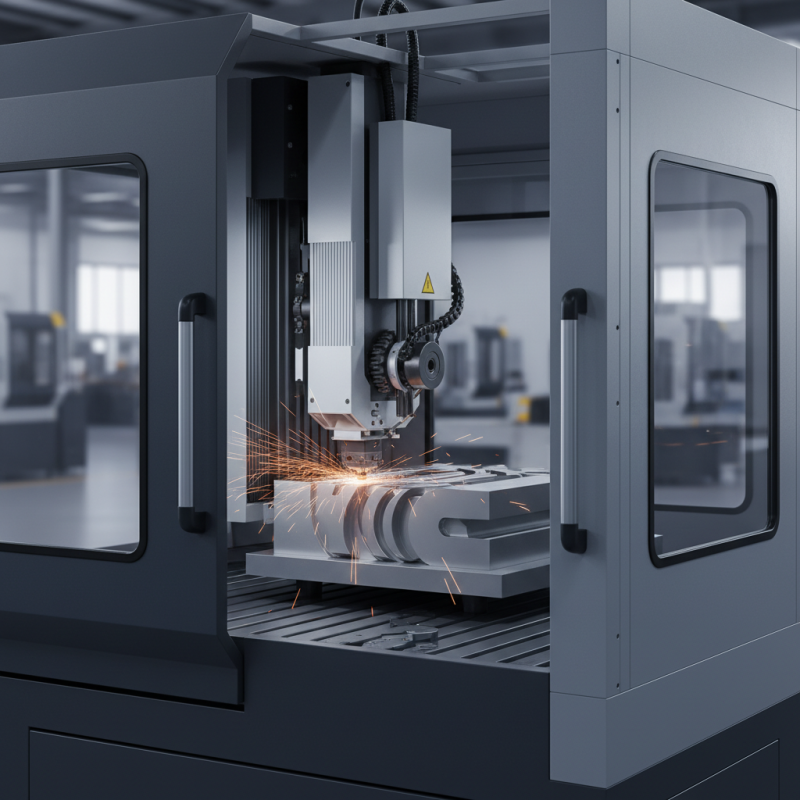
Choosing the right Mold Cutting Machine can significantly impact your production efficiency. A suitable machine ensures precision and quality in creating molds. However, with various options available, it’s easy to feel overwhelmed.
When selecting a machine, consider your specific needs. Think about the materials you'll work with and the scale of production. A small workshop may need a different machine than a large factory. Pay attention to the machine's features, such as cutting speed and precision. These details can make a big difference in your work.
It's crucial to assess the brand's reputation. Look for reviews and testimonies from other users. A reliable Mold Cutting Machine will come from a recognized manufacturer. Explore your options, but don’t rush. Taking the time to make an informed choice can prevent regrets later. Your decision can shape the quality of your end products.
Understanding Different Types of Mold Cutting Machines Available
When choosing a mold cutting machine, it's essential to understand the various types available. Different machines cater to specific requirements. For instance, CNC (Computer Numerical Control) machines offer precision cutting and are favored in industries that demand intricate designs. According to a report by the Manufacturing Technology Association, the CNC market is projected to grow by 6.5% annually through 2025. This growth underscores the demand for accuracy and efficiency in mold production.
Another prominent type includes manual cutting machines. These are often more affordable and suitable for small-scale operations. However, they require skilled operators to achieve the desired finishing quality. Research indicates that while manual machines may save costs upfront, they often lead to higher labor expenses and longer production times.
Water jet cutting machines are also gaining popularity. They provide versatility and can cut through various materials without the heat that can distort them. Data suggests that over 30% of manufacturers prefer water jet technology for its ability to maintain material integrity. However, one must consider the initial investment and maintenance costs associated with these machines. Each type has its strengths and weaknesses, requiring careful consideration before choosing the right equipment for specific needs.
Assessing Your Specific Mold Cutting Requirements and Application
When selecting a mold cutting machine, understanding your specific requirements is crucial. Begin by considering the materials you will cut. Different materials require different cutting techniques and tools. For example, metals often need more robust machines than plastics. Reflect on the types of molds you typically work with. This will help narrow down your options significantly.
Think about the size of the molds. Larger molds might require machines with greater capacity and power. Smaller-scale projects may benefit from compact and portable machines. Don’t overlook the software capabilities either. Advanced machines come with software that can enhance precision and efficiency. However, this can lead to a steep learning curve.
Finally, assess your budget. Quality machines can vary greatly in cost. Prioritize features that align with your needs while staying within your budget. It's common to feel overwhelmed by choices available. Take your time evaluating your options. Gathering insight from professionals in your field can also be valuable. They may offer experiences that highlight the pros and cons of various machines. Consider these factors carefully to make an informed decision.
Comparison of Mold Cutting Machine Features for Different Applications
Key Features to Consider When Choosing a Mold Cutting Machine
When selecting a mold cutting machine, several key features warrant your attention. Power and precision are crucial. A machine with adequate power ensures efficiency, while precision guarantees clean cuts. Consider machines with CNC capabilities for improved accuracy. The right power and precision can enhance productivity and reduce material waste.
Ease of use also matters. Look for machines with intuitive controls and clear displays. Complex machines can lead to user errors and frustrations. Operators should quickly adapt to the settings. A user-friendly interface can significantly reduce training time.
Tips: Regular maintenance is essential for longevity. Ensure you understand the maintenance requirements before purchasing. Check support options for repairs and upgrades. Always evaluate your specific needs to avoid overbuying or ending up with a machine that can’t perform. Reflect on your past experiences. Sometimes, less complex machines can outperform high-tech versions in reliability and ease.
Evaluating Budget Constraints and Cost-Effectiveness of Machines
When considering the best mold cutting machine, budget constraints play a vital role. A 2021 market analysis revealed that around 40% of manufacturers prioritize cost-effectiveness over advanced features. Choosing a machine that offers the right balance between price and performance can significantly impact your bottom line. It’s essential to evaluate not just the purchase price but also operational costs over time.
Tips: Look for machines with lower energy consumption. These can reduce long-term expenses significantly. Additionally, evaluate maintenance costs. A less expensive machine might require more frequent repairs, negating initial savings.
Many companies overlook the importance of resale value. Data shows that 30% of high-end machines retain selling value for years. Assessing a machine’s depreciative value can help in making informed financial decisions. However, evaluating features that fit your specific needs is crucial. Machines should align with your production scale and project variability. This alignment reduces the chance of over-investing in unnecessary capabilities. Ensure to think critically about these aspects.
How to Choose the Best Mold Cutting Machine for Your Needs?
| Machine Type | Price Range | Cutting Speed (mm/min) | Power Consumption (kW) | Maintenance Cost (Annual) |
| CNC Mold Cutting Machine | $10,000 - $15,000 | 1200 | 5 | $500 |
| Laser Cutting Machine | $8,000 - $12,000 | 1500 | 3 | $300 |
| Wire EDM Machine | $15,000 - $25,000 | 800 | 8 | $700 |
| Plasma Cutting Machine | $5,000 - $9,000 | 1000 | 4 | $400 |
Maintenance and Support Considerations for Your Mold Cutting Equipment
When selecting a mold cutting machine, maintenance and support are often overlooked. Reliable equipment requires a commitment to regular maintenance. A well-maintained machine enhances performance and extends its lifespan. Operators should be trained to perform basic upkeep tasks. This ensures machinery runs smoothly and minimizes downtime.
Support considerations also play a crucial role. Access to expert technicians can be invaluable. Quick response times for repairs prevent lengthy disruptions. Manufacturers should offer comprehensive support packages, including training and troubleshooting. Consider availability of parts as well. Delays in securing parts can stall production lines.
Reflecting on past experiences reveals common pitfalls. Some professionals neglect routine checks, only to face larger issues later. Knowledge about maintenance practices can save money long-term. It’s essential to create a maintenance schedule tailored to your operational needs. In doing so, operators enhance reliability and productivity of their mold cutting machines.