How to Choose the Right Claas Bevel Gear for Your Needs?
Choosing the right Claas Bevel Gear can be a daunting task. With various options available, selecting the best one for your machinery is crucial. Each type has distinct features. Understanding these differences helps you make better decisions.
Consider how the Claas Bevel Gear will be used. Different applications require specific gear ratios and sizes. You'll want a gear that fits seamlessly with your equipment. Think about durability too. A robust gear can withstand wear and tear over time. It's advisable to invest in quality.
Yet, challenges may arise during this selection process. Sometimes, available information may not cover all your needs. This uncertainty can lead to second-guessing your choices. Engage with experts or user reviews for additional insights. Being informed means you can choose with confidence. Gear selection is not just about function; it’s about enhancing performance.
Understanding the Basics of Claas Bevel Gears
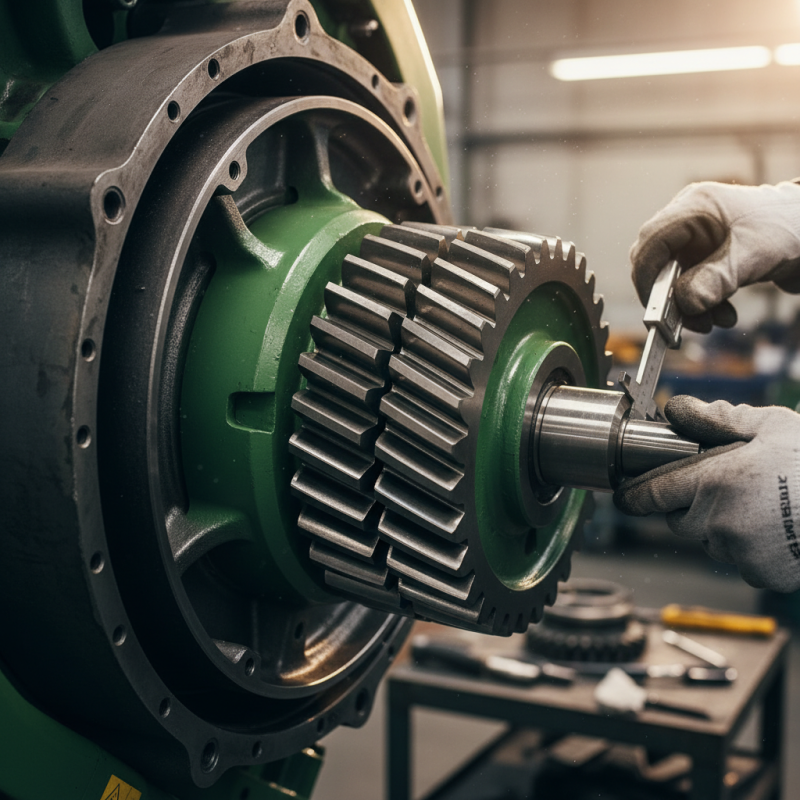
Bevel gears play an important role in machinery. They are used to change the direction of power transmission. Understanding how these gears work can help you in choosing the right type for your needs. Bevel gears come in different angles, typically 90 degrees. This angle allows for smooth rotation between shafts. The design and material of the gears also affect their performance.
When selecting bevel gears, consider the load requirements. Higher loads may require stronger, more durable materials. Soft materials may wear out quickly under heavy use. The gear ratio is another factor to think about. A higher gear ratio can provide more torque but may reduce speed. Evaluate the specifics of your application carefully.
There can be downsides to different designs. Some gears may produce noise during operation. Others might have limited lifespan. It's crucial to anticipate these issues before making a decision. Asking for advice can also help clarify uncertainties. Your choice should reflect a balance between performance and practicality.
Identifying Your Specific Application Requirements
When choosing a bevel gear, understanding your specific application requirements is crucial. Consider the load capacity your machinery needs. How much force will the gear endure? It's vital to assess this carefully. If the load exceeds the gear's limits, it may fail prematurely.
Next, think about the operating environment. Is it dusty or wet? High levels of contamination can impact gear performance. You may require a more robust design to withstand such conditions. Additionally, the speed of operation matters. What RPM will the gear operate at? Miscalculating your speed needs can lead to inefficiencies or damage.
Finally, how complex is the installation process? Some designs may look appealing but could be difficult to fit. A difficult installation can lead to frustration and delays. Take the time to evaluate these aspects. Reflect on your needs honestly, and you may find a more suitable option.
Evaluating Different Types of Claas Bevel Gears
When selecting bevel gears, it's crucial to evaluate their types and functionalities. Different applications require specific designs. For instance, a report from the Gear Research Institute notes that spiral bevel gears offer greater efficiency compared to straight bevel gears. They are often used in high-performance applications. However, they can be more expensive and complex to manufacture.
Another important consideration is the gear ratio. A recent analysis by the Machinery Manufacturers Association highlighted that optimal gear ratios can enhance performance by up to 30%. This can significantly impact torque transmission and overall machine efficiency. Not all bevel gears will fit your needs. Identifying the right geometry is essential.
Material choice also influences durability. Steel gears typically outperform plastic ones under heavy loads, as shown in industry trials. However, steel gears can add weight, which affects performance. Balancing weight and strength can be challenging. This choice often requires market research and testing for the best results. Some manufacturers offer customization options, which can help address specific operational challenges. But, customization also means increased costs and longer lead times.
Comparison of Different Types of Bevel Gears
Assessing Quality and Durability Features
When choosing the right bevel gear, quality and durability are crucial. Evaluate the materials used in construction. High-quality steel often ensures longevity. Poor materials can lead to early wear and failure. Look for signs of excellent craftsmanship, which can indicate a reliable product.
Inspect the design features. A well-designed bevel gear can reduce friction and enhance performance. Consider the gear's load capacity. If it doesn't match your needs, you may face issues. Don't forget to check for any reviews or user feedback. Sometimes, real-life experiences reveal potential problems.
Lastly, think about after-sales support. A product may be good, but lack of support is a red flag. The longevity of the gear partially depends on maintenance. Ask yourself if you're willing to invest time and resources in upkeep. These elements can help you make a more informed choice, but always remain critical of the claims made by manufacturers.
Making the Final Selection Based on Performance and Cost
When selecting bevel gears, performance and cost are key factors. The right gears enhance efficiency. Recent industry reports show that improper choices can lead to a 10-15% drop in operational efficiency. Analyzing torque ratings helps gauge performance. Different tasks require specific torque capacities. Failing to match these can result in gear wear and increased costs.
Cost-effectiveness isn't just about the initial price. Maintenance expenses add up over time. A cheap gear may seem attractive but could fail prematurely. Industry studies note that long-term costs often exceed initial savings by 20-30%. Evaluate maintenance schedules and part availability. These factors influence overall operational budgets.
It's important to dig deep when assessing options. Look into material quality, load ratings, and operational life. Many overlook these details. A detailed analysis may uncover better choices. Ignoring the specifics can lead to the wrong decisions. Efficiency comes at a cost, but it should be justified. Balancing performance and budget is essential for long-term success.
How to Choose the Right Claas Bevel Gear for Your Needs? - Making the Final Selection Based on Performance and Cost
| Model | Load Capacity (Nm) | Ratio | Efficiency (%) | Cost ($) | Ideal Applications |
| Model A | 150 | 1:3 | 95 | 250 | Agricultural machinery |
| Model B | 200 | 1:4 | 92 | 300 | Construction equipment |
| Model C | 180 | 1:5 | 90 | 350 | Mining machines |
| Model D | 250 | 1:6 | 93 | 400 | Forestry equipment |
| Model E | 160 | 1:2.5 | 94 | 275 | Transport machines |