10 Essential Tips for Choosing 304 Stainless Steel for Your Projects?
Selecting the right material is crucial for project success, particularly when it comes to 304 stainless steel. Known for its excellent corrosion resistance and robustness, 304 stainless steel is widely used in various industries, from construction to food processing. According to the latest industry reports, the demand for 304 stainless steel has grown by over 15% in the last five years. This growth underscores its importance in modern applications.
However, choosing 304 stainless steel requires careful consideration of specific project needs. Factors such as thickness, finish, and fabrication methods play a significant role in its performance. Many industries overlook these elements, which can lead to costly mistakes. Reports suggest that improper material selection costs companies millions each year. It’s essential for professionals to understand these aspects deeply.
Despite its advantages, 304 stainless steel is not always the optimal choice. In some cases, alternative alloys may outperform it in terms of strength or cost-effectiveness. A thoughtful analysis of project requirements and objectives can reveal the best path forward. Engaging with industry experts can provide valuable insights, ensuring informed decisions on material selection.
Understanding 304 Stainless Steel: Properties and Applications
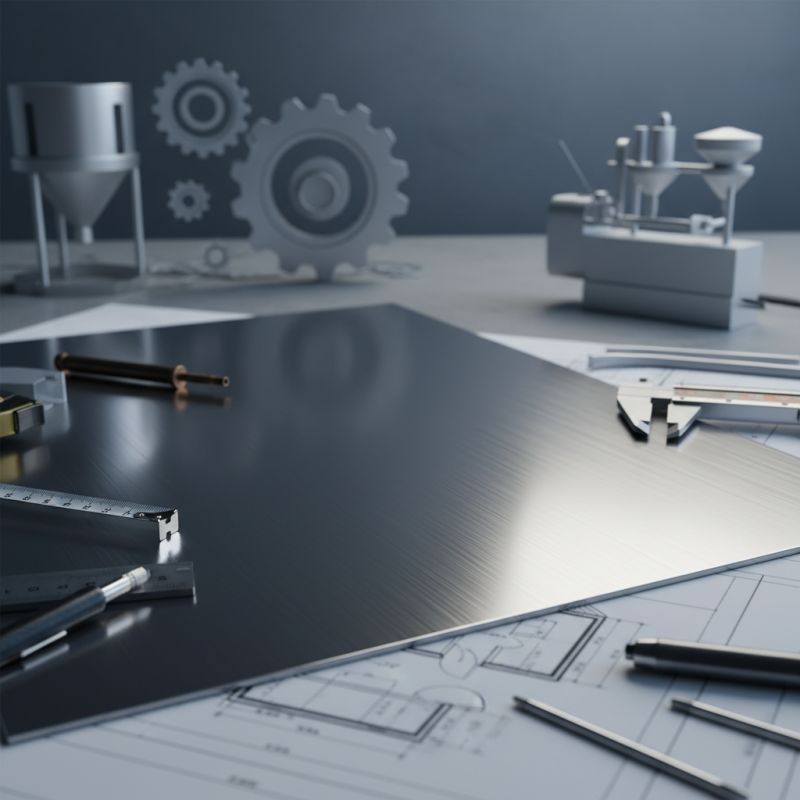
304 stainless steel is widely recognized for its versatility and durability. This material is an austenitic stainless steel, valued for its excellent corrosion resistance. The composition typically includes 18% chromium and 8% nickel, making it resistant to oxidation and various chemicals. This property makes 304 stainless steel suitable for a variety of environments, from kitchens to chemical processing plants.
One of its notable applications is in kitchen equipment. You’ll often find it in countertops, sinks, and utensils due to its ability to withstand heat and moisture. However, it is not entirely impervious to corrosion in all settings. Saltwater and chloride environments can lead to pitting. Hence, it is essential to evaluate your project's specific conditions.
Another area where 304 shines is in automotive components. Its strength helps in manufacturing parts that endure high impact. Still, selecting the right grade is crucial. Overlooking the environmental factors or loading conditions may lead to premature failure. It's wise to consult with an expert familiar with metallurgy when making your decision.
Comparison of Stainless Steel Types: 304 vs 316
Key Factors to Consider When Selecting 304 Stainless Steel
When choosing 304 stainless steel for various projects, several key factors warrant your attention. Corrosion resistance is a primary attribute. According to industry data, 304 stainless steel contains 18% chromium and 8% nickel, which provide excellent resistance to oxidation and rust. This metal is particularly suitable for environments with moisture, such as kitchens or marine applications.
Another important factor is mechanical properties. The tensile strength of 304 stainless steel is significantly higher than that of many other materials. It typically ranges from 520 to 750 MPa. This strength allows for versatility in construction and manufacturing, whether in the food industry or architectural elements. Yet, be mindful. Over-relying on these properties can lead to underestimating its limitations, such as potential pitting in extreme chloride environments.
Cost considerations also play a vital role. As of recent reports, 304 stainless steel can be more expensive than carbon steel. When selecting materials, balancing initial costs against long-term durability is crucial. While 304 is often preferred for its longevity, its lower-cost alternatives might suffice in less demanding applications. Ensure you assess both immediate and future needs for optimal decision-making.
Cost Considerations: Budgeting for Your 304 Stainless Steel Project
When budgeting for a project involving 304 stainless steel, several factors come into play. The price of this material can fluctuate based on market conditions. Understanding current steel prices is crucial. Keep an eye on global market trends. Check how local supply affects costs. This awareness helps in creating a realistic budget.
Think about the additional expenses. You may need to account for fabrication and shipping. Costs can add up quickly, particularly for larger projects. It's essential to solicit multiple quotes from suppliers. This approach provides insight into competitive pricing. Don't rush into decisions based solely on initial quotes.
Consider the long-term benefits as well. 304 stainless steel generally has great corrosion resistance. It can lead to lower maintenance costs over time. However, be wary of any hidden costs that might arise from poor quality materials. Cheaper options may seem attractive but could be costly in the long run. Crafting a budget requires careful consideration and a focus on quality over short-term savings.
10 Essential Tips for Choosing 304 Stainless Steel for Your Projects
| Tip |
Description |
Cost Consideration |
| 1. Assess Your Project Needs |
Determine if 304 stainless steel is suitable based on environmental factors. |
$2.00 per lb |
| 2. Understand Corrosion Resistance |
Evaluate the grade's resistance to corrosion in your application. |
Minimal additional cost |
| 3. Evaluate Strength Requirements |
Ensure that the material can handle the mechanical load. |
Strength correlates with price |
| 4. Consider Aesthetic Appeal |
Select a finish that suits your project's visual design. |
Cost varies by finish type |
| 5. Research Weldability |
Assess how easily the material can be welded for your application. |
Potential labor costs |
| 6. Factor in Thermal Conductivity |
Understand how the material interacts with heat. |
No direct cost implication |
| 7. Check Availability |
Ensure the size and form you need are readily available. |
Cost may increase with low availability |
| 8. Analyze Fabrication Methods |
Consider the methods used to shape and join the material. |
Varies by method complexity |
| 9. Plan for Maintenance |
Understand ongoing care requirements to extend lifespan. |
Maintenance costs should be budgeted |
| 10. Get Quotes from Suppliers |
Compare prices and quality from different sources. |
Price variances can impact budget |
Common Mistakes to Avoid When Choosing 304 Stainless Steel
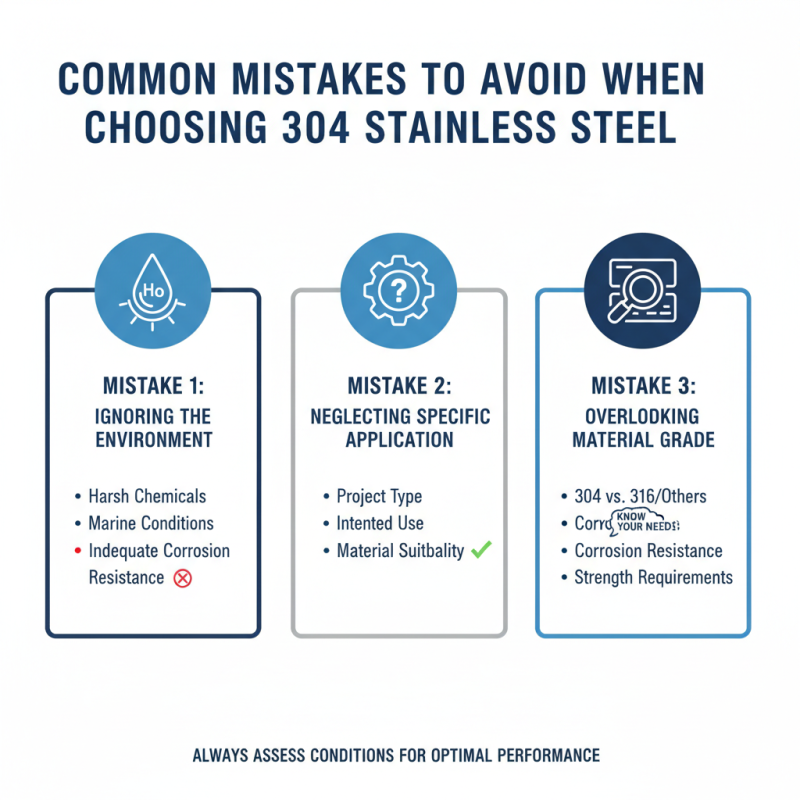
When selecting 304 stainless steel, many overlook critical factors. One common mistake is not considering the environment where the material will be used. For projects exposed to harsh chemicals or marine conditions, 304 may not provide adequate corrosion resistance. Understanding the specific application is vital.
Another mistake is misjudging the importance of finish and surface treatment. A rough finish may lead to uneven stress distribution. This can result in premature failure. Choosing the right finish, whether brushed or polished, helps enhance durability and aesthetic appeal.
Additionally, some may underestimate the significance of thickness. A standard gauge might seem sufficient, but it can be misleading. Thinner materials may bend or warp under pressure. Always assess load and structural integrity. Taking time to think through these aspects can lead to better project outcomes. It's not just about choosing 304 stainless steel; it’s about making informed decisions.
Maintenance Tips for Prolonging the Life of 304 Stainless Steel Products
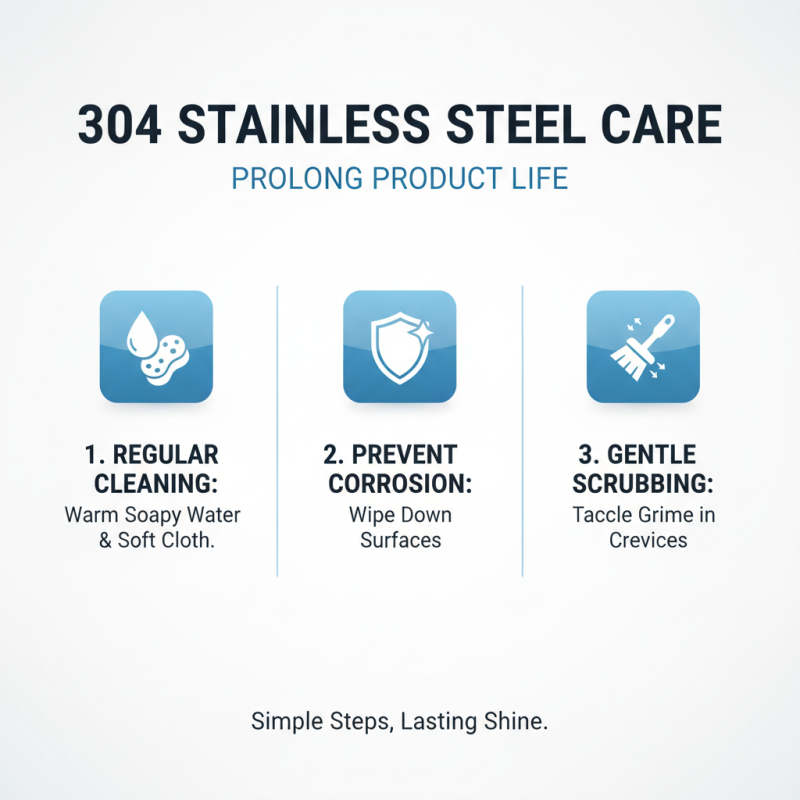
Maintaining 304 stainless steel requires attention and care. Regular cleaning is crucial to prevent rust and corrosion. Use warm, soapy water and a soft cloth to wipe down surfaces. This simple process can vastly improve longevity. Sometimes, grime and dirt accumulate in hard-to-reach areas. It's important to scrub these spots gently to avoid scratching the metal.
Humid environments can threaten 304 stainless steel. To combat this, always ensure moisture is wiped away promptly. Applying a protective sealant can add an extra layer of defense. Remember, even small scratches should be addressed quickly. They can lead to larger issues if left untreated. Inspect your stainless steel items frequently for any signs of wear.
Over time, you might notice discoloration or tarnishing. This can be disheartening. A mixture of vinegar and baking soda can help restore shine. However, avoid abrasive cleaners. They can be harsh and cause damage. Understanding these maintenance tips is essential for optimizing the lifespan of your 304 stainless steel products.