10 Essential Tips for Working with Weld Mesh for Your Projects?
Weld mesh is a versatile material used in various projects, from construction to gardening. Its strength and durability make it a popular choice. However, working with weld mesh can be challenging without the right knowledge.
Many factors influence successful projects involving weld mesh. Understanding how to handle and manipulate it can lead to better outcomes. One common mistake is underestimating the need for precise measurements. A small error can impact the entire structure.
When using weld mesh, always prioritize safety. Sharp edges can cause injuries if not handled correctly. Being aware of these details can enhance your experience. Through careful planning and attention to detail, you can achieve remarkable results with weld mesh. Embrace the challenges it presents, as they offer opportunities for growth.
Understanding Weld Mesh: Types and Applications
Weld mesh is integral to various construction and industrial applications. Understanding the different types available can greatly enhance your project's efficacy. According to research by the International Association of the Structural Steel Industry, welded wire mesh offers superior strength and durability. Common types include stainless steel, carbon steel, and galvanized mesh, each suitable for different environments. For instance, stainless steel mesh resists corrosion, making it ideal for marine applications.
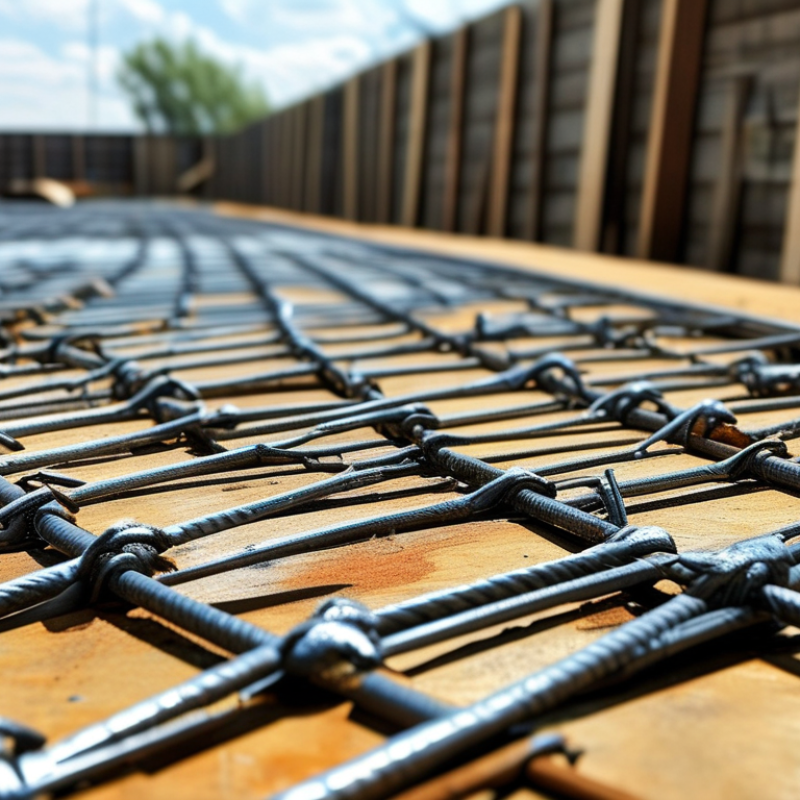
Weld mesh finds application in diverse sectors. Agriculture often relies on mesh for fencing and crop protection. The construction industry uses it for reinforcement in concrete, enhancing structural integrity. However, not all mesh types suit every project. It is essential to evaluate factors like environmental exposure and load requirements. This analysis ensures the mesh performs as intended, reducing the risk of unexpected failures.
Despite its versatility, weld mesh may pose challenges. Handling and installation require careful attention to prevent deformation. Miscalculations in dimensions can lead to material wastage and increased costs. Understanding these nuances is crucial for achieving optimal results. Exploring professional guides and industry standards can bridge gaps in knowledge, ensuring effective application in projects.
Selecting the Right Tools for Working with Weld Mesh
When working with weld mesh, selecting the right tools is crucial. Proper tools facilitate effective cutting, shaping, and joining of the mesh. According to industry reports, around 60% of welding issues stem from improper tool choice. This highlights the need for meticulous selection.
Prioritize tools like plasma cutters and MIG welders. They ensure clean cuts and strong welds. A study indicated that using high-quality equipment reduces project delays by up to 30%. When purchasing, consider factors like material compatibility and tool precision. You should also remember to regularly maintain your tools to ensure longevity and consistent performance.
Another key factor is safety gear. Protective gloves and goggles are essential. A report by the Occupational Safety and Health Administration shows that 25% of welders face minor injuries related to improper safety measures. Investing in good safety equipment is not just wise; it’s necessary. Overall, consider your project needs carefully. The right tools can make or break your success.
Techniques for Cutting and Shaping Weld Mesh Safely
When working with weld mesh, cutting and shaping it safely is crucial. The right techniques can prevent accidents and produce clean edges. Always wear protective gear, including gloves and goggles. The sharp edges can cause injuries, so be cautious.
One effective method is to use a high-quality wire cutter. Ensure the tool is sharp; dull tools can slip and cause mistakes. If you need more precise shapes, consider using an angle grinder. This tool allows for quick cuts but demands respect.
Hold it firmly and maintain control throughout the process.
Remember, practice is key. Take time to familiarize yourself with the tools. Start with small pieces of weld mesh to build confidence. Mistakes can happen, and it’s important to learn from them. Measure twice before cutting and always double-check your safety gear.
Every project brings its challenges, so stay patient and focused on safety.
Best Practices for Joining and Securing Weld Mesh
Weld mesh is a versatile material used in various projects, from fencing to construction. When joining and securing weld mesh, it's crucial to follow best practices to ensure durability and safety. Studies show that proper welding techniques can improve structural integrity by up to 30%. The right choice of filler material is key. It can affect bond strength and overall performance. Many professionals recommend using materials that match the parent mesh to avoid weak joints.
Consider the environmental conditions when working with weld mesh. High humidity, for instance, can lead to corrosion if proper protective measures aren't taken. Regular inspection of weld joints is important. Look for signs of wear or degradation. Some reports indicate that nearly 15% of weld failures can be traced back to inadequate maintenance practices.
Proper spacing during installation can enhance stability. Keep the mesh taut and aligned. A loosely fitted mesh is prone to sagging and failure. Utilize robust anchoring techniques when securing the mesh. Additionally, incorporate tensioning cables in larger installations for reinforced support. These practical steps can help mitigate common pitfalls that professionals face, ultimately leading to better project outcomes.
Maintaining and Storing Weld Mesh for Longevity
When working with weld mesh, proper maintenance and storage are vital for its longevity. Many users overlook how environmental factors can impact weld mesh. According to industry reports, approximately 30% of weld mesh deterioration is due to improper storage conditions. Humidity and direct sunlight can lead to rust and weaken the mesh structure.
To ensure its durability, store the weld mesh in a dry, cool place. Avoid stacking heavy items on top of the mesh. This prevents deformation and preserves its integrity. Regularly inspect for signs of wear or rust. Early detection can save you costly replacements.
Consider coating the mesh with protective paint or sealant. This reduces corrosion risk significantly. Studies reveal that treated weld mesh can last up to 50% longer compared to untreated versions. Always remember to keep the area around your stored mesh clear of debris. This reduces potential damage and promotes longevity.
10 Essential Tips for Working with Weld Mesh for Your Projects
| Tip Number |
Tip Description |
Benefits |
| 1 |
Choose the right gauge for your project |
Ensures strength and durability |
| 2 |
Measure accurately before cutting |
Reduces waste and improves efficiency |
| 3 |
Use appropriate tools for installation |
Enhances safety and ensures quality work |
| 4 |
Wear safety gear during handling |
Prevents injuries and promotes worker safety |
| 5 |
Store in a dry place |
Prevents rust and extends life expectancy |
| 6 |
Use rust-inhibiting spray |
Offers additional protection from corrosion |
| 7 |
Label your mesh for easy access |
Saves time during project execution |
| 8 |
Inspect regularly for wear and tear |
Maintains material integrity over time |
| 9 |
Consider professional installation for large projects |
Ensures compliance with safety standards |
| 10 |
Maintain a clean workspace |
Promotes safety and efficiency |