What Is Galvanized Wire Mesh and Its Top Uses in 2026?
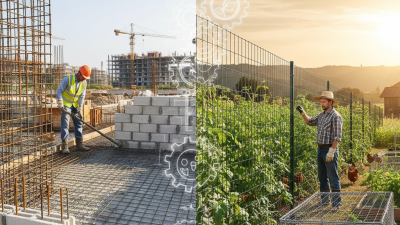
Galvanized wire mesh has become an essential material in various industries. Its durability and resistance to rust make it a preferred choice for many applications. By 2026, the uses of galvanized wire mesh are expected to expand even further. In construction, it is widely used for reinforcement. This enhances the stability of structures, making them safer.
In agriculture, galvanized wire mesh serves multiple purposes. It protects crops from pests and serves as fencing for livestock. The mesh allows air circulation while preventing unwanted animals. However, there are considerations to keep in mind. Over-reliance on this material can lead to environmental concerns.
In DIY projects, galvanized wire mesh is often favored for its versatility. It can be shaped easily to fit various needs. Yet, improper installation can lead to issues, such as sagging or instability. Mindful usage is crucial for maximizing its benefits. Galvanized wire mesh holds promise in modern applications, but awareness of its limitations is essential.
What Is Galvanized Wire Mesh?
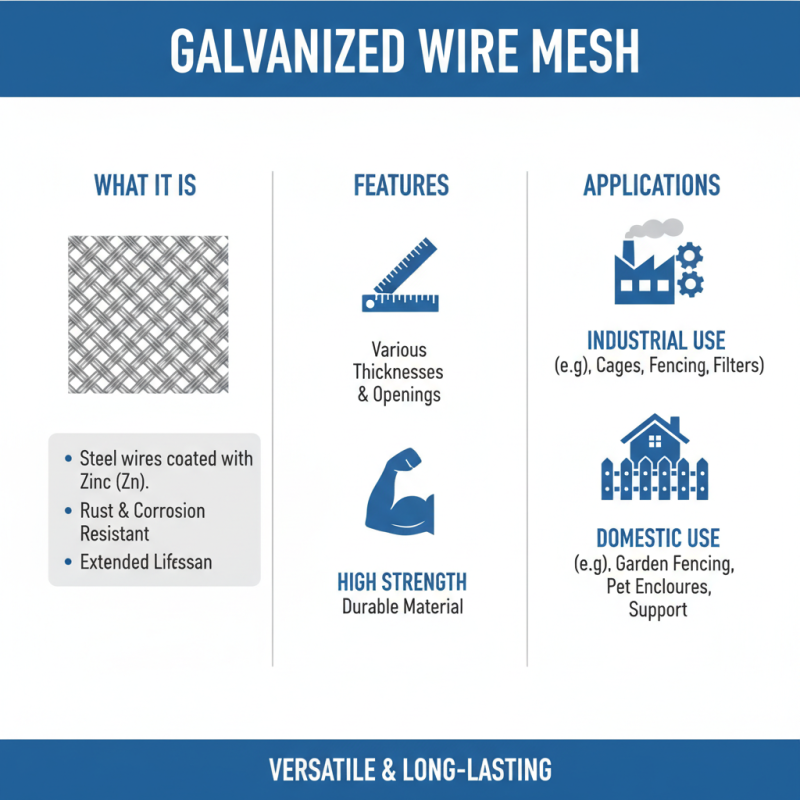
Galvanized wire mesh is a versatile material made from steel wires that are coated with zinc. This process prevents rust and corrosion, increasing the material's lifespan. Galvanized wire mesh comes in various thicknesses and openings, making it suitable for different applications. Its strength makes it an excellent choice for both industrial and domestic uses.
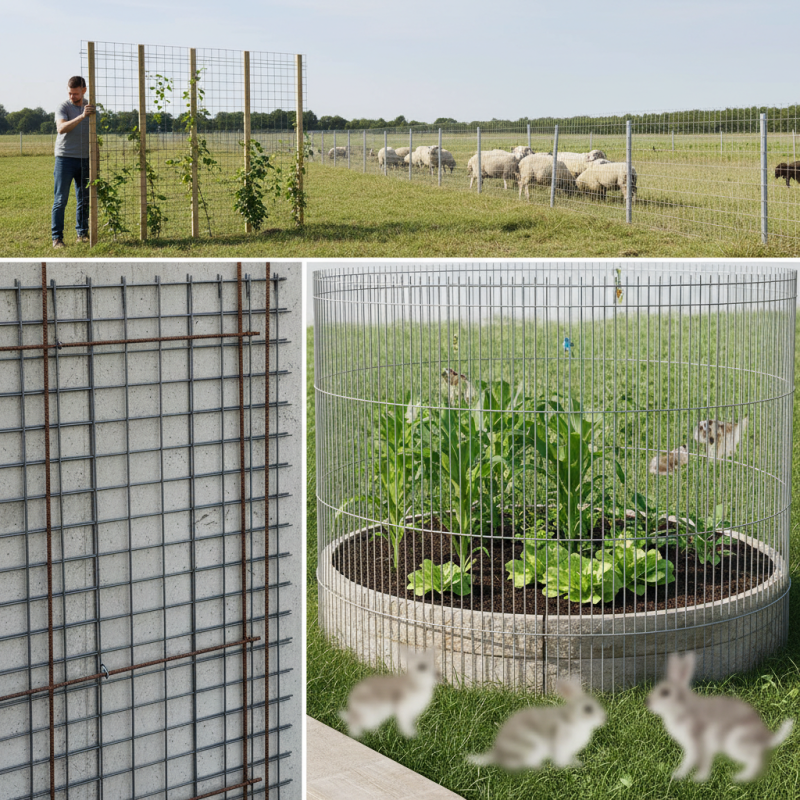
In construction, galvanized wire mesh is widely used for reinforcing concrete. It enhances the durability of structures, preventing cracks. Additionally, it serves as a protective barrier for gardens and fields, keeping unwanted animals out. Many people appreciate its ability to provide security without sacrificing visibility. However, using it requires consideration of local environmental conditions. Humidity and temperature fluctuations can impact its effectiveness over time.
In the agricultural sector, galvanized wire mesh plays a crucial role. Farmers utilize it for creating fences to protect crops from livestock. Some also employ it for building cages for poultry and small animals. Yet, not every use is without challenges. Installation can be cumbersome, and sometimes the mesh may require adjustments. Awareness of these factors can significantly impact project outcomes.
The Process of Galvanization Explained
Galvanization is a key process for enhancing the durability of wire mesh. This method involves coating steel or iron with a layer of zinc. The goal is to prevent rust and corrosion. According to the International Zinc Association, galvanized products can last up to 70 years in outdoor environments. This longevity makes galvanized wire mesh a popular choice in construction and agriculture.
The process begins with the preparation of the metal surface. It must be clean and free of contaminants. After cleaning, the metal is immersed in molten zinc. This creates a metallurgical bond, ensuring the coating adheres well. A report from a materials science journal noted that the thickness of the zinc layer can significantly affect the material's lifespan. A thicker layer generally offers better protection.
Despite its advantages, challenges exist. Over time, the galvanized coating may deteriorate in certain conditions. In some industrial environments, even galvanized steel can show signs of wear after a few years. Regular inspections can help identify issues early. While galvanization enhances durability, it’s crucial to remain aware of its limitations and the conditions that may lead to decreased performance.
Top Uses of Galvanized Wire Mesh in 2026
The chart above illustrates the top uses of galvanized wire mesh projected for the year 2026, highlighting its importance in various sectors such as construction, agriculture, and fencing among others. The percentages indicate the share of each application in overall usage.
Key Properties of Galvanized Wire Mesh
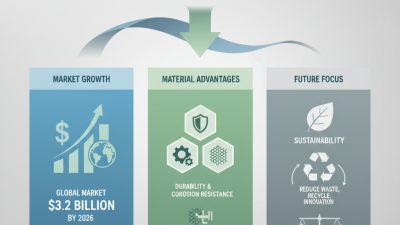
Galvanized wire mesh is highly valued for its durability and resistance to corrosion. The process of galvanization involves coating steel wire with zinc. This zinc layer protects the wire from rust and other environmental damages. As reported by the Industrial Wire Association in 2023, the use of galvanized wire mesh has seen a 25% increase in various construction applications over the past three years.
One key property of galvanized wire mesh is its strength. It can withstand heavy loads, making it ideal for fencing and reinforcement in concrete structures. Furthermore, galvanized wire mesh often features different mesh sizes and gauges. This versatility allows professionals to choose the right type for their specific needs. For example, a finer mesh is often used for smaller animals in agricultural applications, while larger openings are suitable for security fencing.
Additionally, galvanized wire mesh is relatively lightweight. This property simplifies transport and installation. However, the thickness and surface treatment can affect its tensile strength. A thin layer of zinc may offer less protection over time. Some users may overlook this detail when selecting mesh for long-term projects. Misjudging the protective qualities of galvanized wire can lead to premature corrosion. Awareness of these factors is crucial in decision-making for future construction and landscaping projects.
Top Applications of Galvanized Wire Mesh in 2026
Galvanized wire mesh is a versatile material gaining traction. Its durability and resistance to rust make it ideal for various applications. In 2026, its use is expected to expand significantly, addressing multiple needs across industries.
One prominent application is in construction. Builders are now using galvanized wire mesh for reinforcing concrete. This can enhance structural integrity. The mesh helps distribute weight evenly, reducing the risk of cracks. It’s essential for maintaining safety and durability. Another significant use is in landscaping. This mesh acts as a barrier to control soil erosion. Landscape designers appreciate its effectiveness in creating stable terrains.
Additionally, agriculture is embracing galvanized wire mesh. Farmers use it for fencing and animal enclosures. It’s reliable and provides good visibility. However, the investment in high-quality mesh is crucial. Using subpar materials can lead to failures. Thus, quality control and selection processes should be emphasized. Balancing costs and performance remains a challenge for many.
Benefits of Using Galvanized Wire Mesh in Various Industries
Galvanized wire mesh is a versatile material, used across multiple industries. Its primary feature is the
protective zinc coating, which prevents corrosion.
This quality makes it ideal for outdoor applications. Builders often use it for fences, reinforcing concrete,
and as a base for plaster. The longevity of galvanized wire mesh saves money over time.
In agriculture, galvanized wire mesh plays a crucial role. Farmers rely on it for enclosures, animal pens,
and crop protection. Its strong, durable nature withstands harsh weather. However, using the wrong gauge can
lead to issues. A balance between
strength and flexibility
is important.
Tip: Always consider your specific needs when choosing wire mesh.
The right size and gauge can enhance functionality.
In gardening, galvanized wire mesh supports plant growth. It serves as trellises and plant protectors. Yet,
improper installation can hinder plant growth. Careful planning is vital to ensure effectiveness.
Tip: Regularly inspect your installations for rust or damage.
Early detection prevents larger issues later on.
The wide range of uses demonstrates the importance of galvanized wire mesh. Its benefits are clear, but mindful usage
is essential for optimal performance.