China Top Emergency Lights Manufacturers How to Choose?
Choosing reliable Emergency Lights from China requires more than comparing prices or browsing polished product photos. Buyers must examine manufacturing experience, product consistency, testing records, and after-sales support. A dependable supplier should explain its LED performance, battery options, charging time, emergency runtime, and protection design in clear technical language. It should also provide traceable quality documents and practical samples for evaluation.
This guide explores how to identify China’s top Emergency Lights manufacturers and match their capabilities with your project requirements. Factory visits, video inspections, and sample testing can reveal details that catalogs often hide. Check the housing strength, switch response, beam coverage, and battery behavior during repeated power failures. A light may look impressive on a showroom table but perform poorly in a dusty warehouse or crowded corridor. Real conditions matter.
Experience still needs verification. Some suppliers communicate well but cannot maintain stable quality across large orders. Others offer excellent products but respond slowly when replacements are needed. That is an important weakness to consider. We will compare manufacturing capacity, certifications, customization services, production controls, and communication habits. The goal is not to promote the cheapest option. It is to help buyers choose a reliable partner whose Emergency Lights remain safe, functional, and consistent when people need them most.
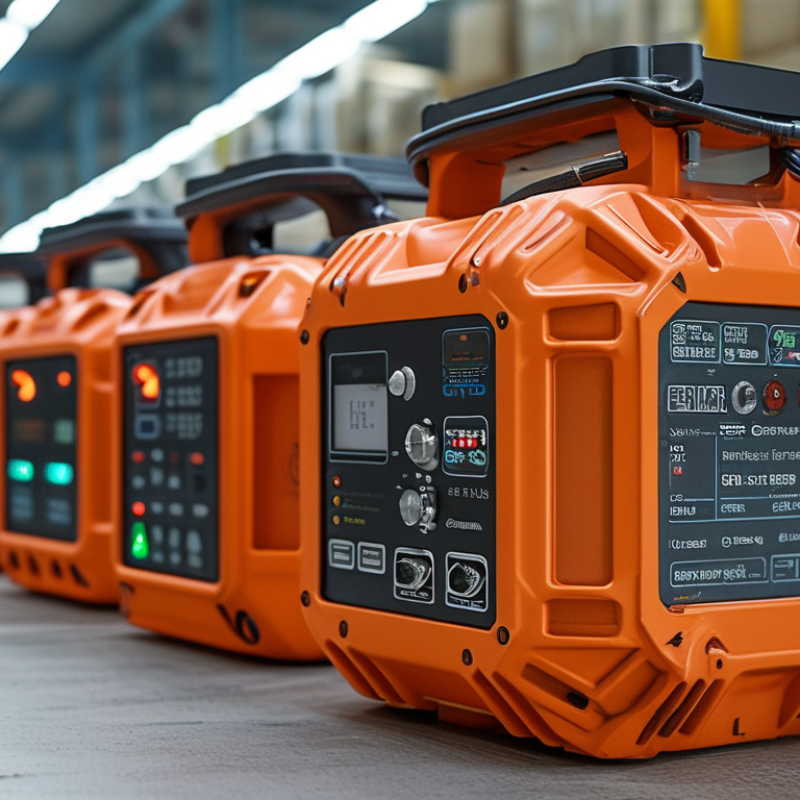
Understanding Emergency Light Types and Their Applications in China
Choosing emergency lights in China starts with the building’s risks, not its appearance. Emergency lighting usually includes self-contained units, central-battery systems, exit signs, and portable lamps. Each type serves a different situation. Self-contained lights are practical for shops, apartments, and small offices. They contain a battery, charger, and lamp in one housing. Central-battery systems suit hospitals, factories, and large commercial buildings. Maintenance can be more organized, but installation is more complex.
Exit signs guide people through corridors, stairwells, and darkened public areas. Their arrows must remain visible from normal viewing distances. LED sources are common because they use less power and provide stable brightness. In dusty workshops or humid parking areas, check the IP rating carefully. A bright lamp is not automatically a safe lamp. Housing strength, battery duration, charging performance, and heat resistance also matter.
Site conditions often change the choice. A tunnel needs stronger protection than a clean office. A cold warehouse may reduce battery performance. Chinese projects should verify current fire-safety standards, product certification, emergency duration, and local inspection requirements before purchase. Installation height and escape-route layout need professional review. Small details matter. One overlooked blind corner can weaken an otherwise careful design. Cost comparisons are useful, but relying on price alone is a poor habit. There is no perfect universal solution; even experienced teams sometimes revise specifications after a real site survey.
Key Standards and Certifications for Chinese Emergency Light Manufacturers
Choosing among China’s top emergency light manufacturers requires more than comparing prices or housing designs. Start with standards. For domestic projects, verify compliance with GB 17945-2010 and the installation requirements in GB 51309-2018. Applicable CCC certification should match the exact product category, model, and factory address. For export orders, request evidence against IEC 60598-2-22, EN 1838, or UL 924, depending on the destination. CE marking alone is not a complete safety test; it normally depends on a valid declaration and supporting technical files.
Look closely at certification scope. Check battery autonomy, charging time, lumen output, temperature testing, and photometric reports. Ask for production records and samples from the same model batch. A test switch should operate smoothly, while the emergency indicator should remain visible through smoke-colored or dusty covers. ISO 9001 supports process control, but it cannot prove every lamp will perform reliably.
Paperwork is not performance. Grand View Research estimated the global emergency lighting market at about USD 7.3 billion in 2023, with growth expected through 2030. MarketsandMarkets also forecasts continued expansion, driven partly by LED upgrades and stricter safety requirements. That growth may encourage rushed certification claims. A certificate can still hide weak battery sourcing or poor final inspection. Manufacturers should explain test frequency, calibration records, and corrective actions openly. If answers remain vague, reconsider the supplier, even when the documents look impressive.
How to Evaluate Manufacturer Quality, Technology, and Production Capacity
China Top Emergency Lights Manufacturers: How to Choose?
Evaluate quality through evidence, not polished factory photos. NFPA 101 generally requires emergency lighting to operate for at least 90 minutes. Ask manufacturers for test records under real battery loads. Check illumination levels, charging temperature, battery aging, and failure alarms. IEC 60598-2-22 also provides a useful technical reference for emergency luminaires. A strong supplier should offer traceable components, calibrated equipment, and production records for each batch.
Technology matters, but practical reliability matters more. The IEA’s Energy Efficiency 2023 report states that lighting uses about 15% of global electricity. Efficient LEDs can reduce operating demand, yet poor thermal design may shorten service life. Inspect heat sinks, driver protection, self-testing functions, and photometric reports. Production capacity needs separate verification. Review monthly output, line balancing, aging-test duration, spare-part control, and on-time delivery data. A large workshop may still have weak quality discipline.
Tips: Request a sample audit before signing. Compare three production batches, not one. Watch a battery discharge test yourself. A clean showroom proves little. Also, do not treat every certificate as final evidence; certificates can expire, and testing conditions may differ. The difficult question is often overlooked: can the supplier repeat the same quality during peak orders?
How to Evaluate Emergency Light Manufacturers
This example procurement weighting model focuses on verifiable factors: quality and compliance, technology and product performance, production capacity and delivery reliability, plus service and traceability. Buyers should confirm certificates, test reports, factory audits, sample performance, capacity records, and after-sales procedures before making a final decision.
Comparing Pricing, Customization, Delivery, and After-Sales Support
Choosing China’s top emergency light manufacturers requires more than comparing unit prices. Ask for a detailed quotation covering batteries, housings, testing, packaging, and spare parts. A low price may exclude essential components. Request samples and compare brightness, charging time, emergency duration, and heat resistance. Experienced manufacturers should explain these figures clearly.
Customization can include logos, mounting options, beam angles, battery types, and carton labels. Confirm minimum order quantities and sample fees before production. Delivery reliability depends on production capacity, material availability, and quality inspection schedules.
Ask for a written timeline with sample approval, manufacturing, inspection, and shipping dates. Delays often start with unclear artwork or late technical changes. I have seen buyers focus on shipping speed and overlook sample approval, which later caused rework.
Tips: Check test reports, traceable production records, warranty terms, and replacement procedures. Ask who handles technical issues after delivery. Confirm response times and whether spare batteries or circuit boards are available. Keep every specification in one document. Small details matter. A supplier may sound professional, yet vague answers deserve another review.
A Step-by-Step Guide to Selecting the Right Chinese Manufacturer
Selecting a Chinese emergency light manufacturer requires more than comparing catalog prices. Define the application clearly: warehouse aisles, stairwells, offices, or outdoor areas. Record the required brightness, battery duration, mounting method, ingress protection, and operating temperature. Request technical datasheets, test reports, and a physical sample. Details matter. During inspection, check the housing, circuit board, battery, charging behavior, and emergency switching. A sample can reveal weaknesses that product photos hide.
Evaluate the factory’s production and quality controls. Ask how components are traced, inspected, and tested before shipment. Confirm burn-in procedures, batch records, warranty coverage, spare parts, and lead times. Independent verification is useful. A polished factory tour proves little. Video inspections help, but they cannot replace hands-on testing. I once overlooked battery recovery time during evaluation, and that small omission changed the purchasing decision. Clear written specifications reduce such mistakes.
Tips: Compare three to five manufacturers with one scorecard. Order a pilot batch before placing a large order. Test runtime after repeated discharge cycles, emergency activation, brightness consistency, packaging, and labeling. Ask how defective units are replaced and how quickly technical questions receive answers. Keep every agreed specification in writing. The cheapest quote can become expensive.