
How to Choose the Right Mechanical Seals for Your Needs?

Mechanical Seals protect pumps, mixers, compressors, and rotating equipment from process-fluid leakage. Their selection affects safety, maintenance frequency, energy use, and production continuity. A seal may look small, yet one failed cartridge can stop a large processing line.

Market research reflects this importance. Grand View Research estimates that the global mechanical seals market was valued at approximately USD 4 billion in 2023, with continued growth expected through the decade. MarketsandMarkets also identifies chemical processing, oil and gas, water treatment, and power generation as major demand sectors. These reports show market momentum, but they do not choose a seal for a specific machine. Operating details still matter more.

The right decision begins with evidence. Record the fluid, temperature, pressure, shaft speed, equipment type, and expected operating cycles. Check chemical compatibility carefully. A seal face that survives clean water may fail quickly in abrasive slurry. A carbon face can behave differently from silicon carbide under heat and poor lubrication. API Standard 682 provides widely used guidance for process pump sealing systems, while manufacturers add application-specific recommendations.

There is no universal “best” Mechanical Seals solution. That idea sounds convenient, but it is unsafe. A lower purchase price may create higher downtime later. An expensive design may also be excessive for a simple water pump. This guide explains how to compare seal materials, arrangements, secondary components, installation requirements, and lifecycle costs. It also highlights the uncomfortable part: incomplete operating data can make even expert recommendations unreliable. Practical selection requires measurement, supplier verification, and honest review of past failures.
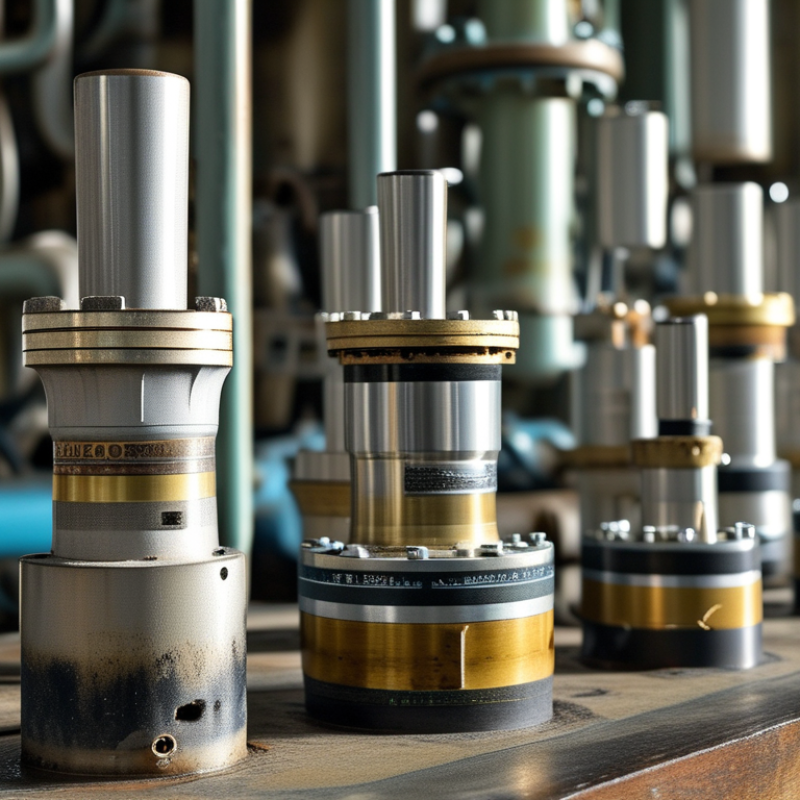
How to Choose the Right Mechanical Seals for Your Needs?

Understand the Role and Types of Mechanical Seals

How to Choose the Right Mechanical Seals for Your Needs?

Mechanical seals prevent fluid from escaping where a rotating shaft passes through a pump housing. They also limit contamination, protect bearings, and support safer operation. A seal may look small, but its working conditions are demanding. Pressure, temperature, shaft speed, fluid chemistry, and vibration all affect performance. A seal that works well with clean water may fail quickly with abrasive slurry or corrosive chemicals.

Common types include pusher seals, non-pusher seals, cartridge seals, and split seals. Pusher seals use a secondary O-ring that moves along the shaft. Non-pusher designs keep the secondary seal more stationary, which can reduce wear from shaft movement.

Cartridge seals arrive preassembled, helping technicians control installation settings. Split seals can simplify maintenance when equipment cannot be removed easily. Single seals suit many standard applications, while double seals provide a controlled barrier for hazardous, volatile, or crystallizing fluids.

Material selection matters just as much. Carbon, ceramic, silicon carbide, and tungsten carbide faces each respond differently to heat, abrasion, and chemical exposure. Elastomers also require careful checking. I once focused too heavily on pressure and overlooked dry-running during startup. That mistake showed me why operating procedures matter as much as specifications. Review the pump manual, confirm actual conditions, and ask whether the fluid contains solids. Small installation errors can cause immediate leakage. Field inspection remains valuable. A clean shaft, correct compression, and proper alignment often decide whether the seal performs reliably.

Assess Pressure, Temperature, Speed, and Fluid Conditions

Choosing a mechanical seal begins with operating conditions, not catalog size. Pressure, temperature, shaft speed, and fluid behavior must be recorded at startup, normal duty, and shutdown. The U.S. Department of Energy notes that pumping systems may represent 25% to 50% of industrial energy use in some facilities. Poor seal selection can add friction, leakage, and unplanned maintenance.

Pressure deserves careful attention. Check both chamber pressure and pressure spikes during valve movement or deadheading. A seal rated for average pressure may fail under short hydraulic shocks. Temperature also changes material performance. Confirm the fluid temperature, flashing risk, and cooling conditions. The seal faces, elastomers, and spring materials must remain stable across the full range, not only at the operating point.

Speed affects heat generation at the faces. Higher rotational speed usually demands better lubrication and heat removal. Fluid conditions matter just as much. Abrasive solids can wear faces, while crystallizing fluids may block springs after shutdown. The American Petroleum Institute’s API 682 standard provides selection guidance for process pumps, but site data still controls the decision. A clean datasheet can mislead. Field measurements are often incomplete. Recheck them. The U.S. Department of Energy’s Pumping System Assessment Tool also emphasizes evaluating the complete system, rather than one component alone. A cautious selection includes upset conditions, dry-running risk, maintenance access, and the consequences of leakage.

Match Seal Materials with Equipment and Process Requirements

How to Choose the Right Mechanical Seals for Your Needs?

Mechanical seal selection begins with the equipment and process, not the seal catalog. A pump handling clean water needs different materials from one moving abrasive slurry. Consider shaft speed, pressure, temperature, fluid chemistry, and leakage tolerance. The stationary and rotating faces must resist wear under actual operating conditions. Seal elastomers also need chemical compatibility, especially during cleaning cycles or temperature changes. I once treated temperature as the main variable; that approach was too narrow. Pressure spikes and dry running caused greater damage.

Tips: Record operating conditions from real measurements. Check fluid concentration, not only its name. Ask how the equipment starts, stops, and responds to blockage. Small details matter.

Choose face materials according to lubrication and contamination. Carbon can perform well in many lubricated services, while harder faces may suit abrasive environments. The best pairing depends on heat transfer, fluid particles, and running speed. For corrosive fluids, verify every wetted component, including springs and secondary seals. A material chart helps, but it cannot replace testing. Laboratory data may not reflect vibration, misalignment, or inconsistent maintenance. Leave room for uncertainty. A seal that looks suitable on paper may fail after a few weeks of real operation.

Document the decision clearly. Include temperature limits, pressure range, installation details, and expected service life. Inspect the shaft and housing before installation. Even a high-quality seal can leak against a damaged surface. Monitor leakage, vibration, and temperature after commissioning, then adjust the selection when field evidence disagrees with the original assumptions.

How to Choose the Right Mechanical Seal Materials?

Match the seal material with the process temperature and chemical environment. The chart compares typical upper continuous temperature capabilities for commonly used mechanical seal materials.

Typical values: NBR is widely used for oils and moderate temperatures; EPDM suits water, steam, and many polar fluids; FKM provides strong resistance to oils and fuels; PTFE offers broad chemical resistance; graphite is used for high-temperature applications. Actual limits depend on formulation, pressure, speed, fluid concentration, and equipment design.

Compare Designs, Performance, Cost, and Maintenance Needs

Choosing a mechanical seal starts with the fluid, not the catalogue price. Pusher seals suit many standard pumps and moderate conditions. Bellows designs handle shaft movement better and reduce sliding parts. Cartridge seals usually simplify installation. Double seals add protection for toxic, abrasive, or crystallising fluids.

Performance must match pressure, temperature, speed, solids, and chemical compatibility. API 682 recommends selecting seal arrangements around process risk and operating conditions. A small mismatch can create heat, leakage, and premature face wear. Check shaft runout, flush quality, and elastomer limits. These details matter.

Cost is more than the purchase order. The U.S. Department of Energy’s Improving Pumping System Performance sourcebook reports that pumping systems can represent about 25% of industrial electricity use. Poor sealing can increase friction, contamination, downtime, and energy waste. A cheaper single seal may become expensive after repeated replacements.

I have also seen over-specified double seals add complexity without improving reliability. That judgment deserves review.

Compare expected service life, spare parts, installation time, and inspection access. Maintenance teams often prefer cartridge designs because settings are controlled outside the pump. Still, difficult flushing systems can defeat a good design. Record leakage trends, face condition, and failure causes after each service event. Data is imperfect, but it improves the next selection.

Verify Installation Standards and Select a Reliable Supplier

Choosing a mechanical seal begins with the installation environment, not a catalog photograph. Confirm fluid type, temperature, pressure, shaft speed, and solids content before comparing designs. These details determine face materials, elastomer compatibility, spring arrangement, and cooling requirements. A seal that fits the shaft may still fail in service.

Check the pump manual and applicable installation standards, such as ISO 3069 or API 682, when relevant. Measure shaft runout, sleeve condition, and chamber dimensions with calibrated tools. Small errors matter. During installation, clean seal faces with a lint-free cloth. Protect them from fingerprints, grit, and impact. Verify face squareness, gasket seating, spring direction, and prescribed compression. Record measurements and torque values. Do not rely on appearance alone. A dry start, blocked flush line, or uneven tightening can damage new faces within minutes. I have learned that rushed assembly often creates problems blamed on seal quality. Still, some failures need deeper review. Vibration may come from bearings, alignment, or cavitation.

A reliable supplier should provide material certificates, dimensional drawings, pressure limits, test records, and clear installation instructions. Ask how replacement parts are controlled and whether technical staff can interpret operating data. Traceable batches and responsive support reduce downtime. Request references from comparable pumps, not only general testimonials. Price matters, but an inexpensive seal with uncertain materials can create leakage, rework, and lost production. Choose a supplier willing to discuss limitations. That honesty is useful.

How to Choose the Right Mechanical Seals for Your Needs? - Verify Installation Standards and Select a Reliable Supplier

Selection Dimension Typical Requirement Recommended Seal Configuration Verification Data to Request Relevant Standard or Practice
Clean water and general-purpose pumping Low to moderate pressure, low solids, and temperatures commonly below 80°C Single cartridge or component seal; carbon versus silicon carbide faces; elastomer selected for the fluid Shaft diameter, operating pressure, speed, temperature, fluid chemistry, and face material compatibility EN 12756 for basic mechanical seal dimensions and design terminology
Hot water or thermal fluids Elevated temperature, possible vapor formation, and thermal cycling Balanced seal with temperature-compatible secondary sealing elements; cooling or quench arrangement when required Maximum continuous and intermittent temperature, vapor pressure, pressure balance, and cooling plan API 682 or ISO 21049 for engineered pump sealing systems where applicable
Hydrocarbons and flammable process fluids Leakage control, fire-risk reduction, and defined emissions requirements Dual pressurized or dual unpressurized seal arrangement based on hazard analysis and process conditions Seal plan, barrier or buffer-fluid pressure, leakage limits, materials traceability, and test records API 682 / ISO 21049; applicable site safety, emissions, and hazardous-area requirements
Abrasive slurry or fluid containing solids High wear risk, suspended particles, and possible face clogging Hard face combination, robust spring protection, and flush or external cleaning arrangement where suitable Solids concentration, particle size, hardness, slurry temperature, pump speed, and flush-fluid quality Application-specific engineering review; verify dimensions against EN 12756 or the pump manufacturer’s data
Corrosive chemicals Chemical attack may affect faces, springs, metal parts, and elastomers Seal materials selected from chemical compatibility data; non-metallic or corrosion-resistant components where justified Concentration, pH, oxidizing potential, contamination limits, elastomer compatibility, and corrosion allowance Chemical compatibility assessment plus the equipment manufacturer’s pressure and dimensional limits
Food, beverage, or hygienic service Cleanability, contamination prevention, and frequent washdown or sterilization Hygienic seal geometry with suitable elastomers and clean-in-place compatibility Cleaning temperature, cleaning chemicals, surface-finish requirements, certificates, and material declarations Applicable hygienic-design, food-contact, and local regulatory requirements
High-speed rotating equipment High surface speed, sensitivity to imbalance, and increased heat generation Precisely balanced seal with controlled face loading and verified dynamic runout limits Rotational speed, shaft runout, equipment vibration, face balance ratio, and allowable leakage API 682 / ISO 21049 where within scope; confirm equipment-specific speed limits
Installation and fit verification Correct fit, alignment, compression, and face condition are essential for service life Cartridge seal for simplified installation; component seal only when trained installation controls are available Certified dimensional drawing, setting instructions, shaft and housing tolerances, installation torque, and inspection checklist EN 12756 dimensions, pump documentation, and the supplier’s controlled installation procedure
Supplier reliability assessment Consistent quality, technical support, traceability, and dependable replacement supply Choose a supplier able to provide application engineering, documented quality controls, and compatible spare parts Quality certificates, material certificates, inspection reports, pressure-test records, warranty terms, lead time, and after-sales support ISO 9001-based quality management is useful evidence; verify the certificate scope and validity independently
Selection note: Pressure, temperature, speed, fluid composition, solids content, shaft size, and installation dimensions must be checked together. The operating ranges shown are general selection guidance; the final seal design should be confirmed against the pump documentation, applicable standards, and the supplier’s engineering data.

Article Source:

Go to Top