Essential Tips for Choosing Hidden Cabinet Hinges?
Choosing the right Hidden Cabinet Hinge can greatly impact your cabinetry's functionality and aesthetics. According to recent industry reports, nearly 75% of kitchen renovations focus on cabinetry updates. The choice of hinges may seem minor, but it can affect durability and ease of use. Hidden cabinet hinges offer a clean, modern look, but not all options are created equal.
Some hidden cabinet hinges support doors weighing up to 25 pounds. However, cheaper alternatives may fail under pressure. Additionally, the installation process varies widely. Many homeowners report struggles with aligning hinges correctly. This, in turn, can lead to cabinets that do not close properly. The frustration is evident in online forums, where users voice their experiences with hinge misalignment.
When selecting hidden cabinet hinges, consider the material and finish options. High-quality materials can enhance longevity and prevent rust. Yet, budget constraints often lead to compromises. Finding a balance between cost and quality is crucial. Ultimately, investing time in research can yield significant benefits in performance and style. Every detail counts, especially in a space as heavily used as the kitchen.
Understanding Hidden Cabinet Hinges: Types and Their Applications
Hidden cabinet hinges are essential for modern cabinetry. They offer a clean look, maintaining the aesthetics of kitchens and furniture. Understanding the types and applications is vital for making a good choice. According to industry reports, hidden hinges represent about 25% of total hinge sales. This reflects their increasing popularity.
There are various types of hidden cabinet hinges. Concealed hinges are often used in upper cabinets. They allow for a seamless appearance when doors are closed. European hinges are another common type. They provide a 90-degree opening angle, which is ideal for full access. However, not all hinges are suitable for every cabinet design. Some may need adjustments for installation, which can be challenging.
It's essential to consider the material of the hinges. Brass hinges are durable but can tarnish over time. Stainless steel options are rust-resistant and long-lasting. However, they might not be as aesthetically pleasing. Many users overlook the weight capacity. A hinge might not hold heavier doors safely. Testing and evaluating the hinges in practice can help avoid future frustration.
Evaluating the Load Capacity: Choosing the Right Hinge for Your Cabinet
When selecting hidden cabinet hinges, evaluating load capacity is crucial. Different cabinets have varying weights, depending on materials and design. A sturdy hinge can support heavy doors, while a lightweight option may not suffice. Always consider the weight of the cabinet doors. For example, a solid wood door typically weighs more than a particle board door. This difference can influence the hinge choice significantly.
Many people overlook how hinges support overall functionality. For heavier doors, choose hinges with a higher load capacity. Inspect the specifications before making a purchase. An underestimated load capacity might lead to issues. Doors may sag or even fail to open smoothly. It's essential to anticipate that not all hinges are created equal.
Sometimes, it's easy to compromise on quality. People might opt for cheaper solutions. However, cost-cutting can lead to regret down the line. A poor hinge can cause frustration and frequent repairs. It’s worth investing time in selecting the right hinge. This attention to detail can make all the difference in usability and longevity. Every cabinet deserves appropriate hardware.
Material Matters: Selecting Durable Hinges for Longevity and Performance
When selecting hidden cabinet hinges, material choice is crucial. The longevity of your hinges largely depends on the materials used. Steel, for instance, is robust and can withstand heavy doors. On the other hand, brass offers an appealing aesthetic but may not be as durable. Think about the weight of your cabinets. Heavy cabinets require stronger materials to ensure functionality and longevity.
Moisture resistance is another essential factor. Consider using materials that can handle humidity, especially in kitchens or bathrooms. Stainless steel is a practical solution, as it resists rust. Some hinges may seem fine initially but can wear down quickly in these environments. Always check for ratings.
It's easy to overlook the small details when selecting hinges. The finish can also affect durability. A poor finish might lead to peeling or chipping over time. Evaluate your space’s demand. A hinge that looks great might not perform well. Remember, sometimes less is more when it comes to aesthetic choices. Each decision you make shapes your cabinets' functionality and appearance.
Essential Tips for Choosing Hidden Cabinet Hinges
| Dimension | Material Options | Durability Rating | Weight Capacity | Finish Types | Common Applications |
| 35mm | Steel, Zinc Alloy | High | 50 lbs | Matte, Polished | Kitchen Cabinets, Furniture |
| 40mm | Brass, Stainless Steel | Medium | 70 lbs | Brushed, Chrome | Wardrobes, Closets |
| 50mm | Plastic, Aluminum | Low | 30 lbs | Colored, Custom | Bathroom Cabinets, Decorative Boxes |
| 60mm | Bronze, Nickel | High | 80 lbs | Satin, Anodized | Commercial Cabinets, Heavy Duty Applications |
Measuring for a Perfect Fit: Guidelines for Accurate Hinge Sizing
Measuring for hidden cabinet hinges can be tricky. Accurate measurements are crucial for a perfect fit. Start by measuring the thickness of your cabinet door. Use a caliper or a measuring tape for precision. A standard door thickness is typically ¾ inch, but always double-check.
Next, measure the cabinet's internal depth. This will determine how far in the hinge can be mounted. It is common to find depths of 21 to 24 inches. However, don't assume your cabinet follows the norm. Take a moment to explore your space.
Don't forget about the overlay. The overlay is the amount your door covers the cabinet frame. Typical overlays can range from 1 inch to 1 ½ inches. If your measurements aren’t perfect, you might end up with doors that don't align. Recheck all your numbers, and take your time with this process. Remember, precise measurements lead to a smoother installation.
Installation Techniques: Ensuring Proper Functionality and Aesthetics
When installing hidden cabinet hinges, attention to detail is crucial. Aligning the hinge properly affects both functionality and aesthetics. The cabinet door should close smoothly without gaps. Adjustments are often needed to achieve this balance. It may take several attempts to get it right.
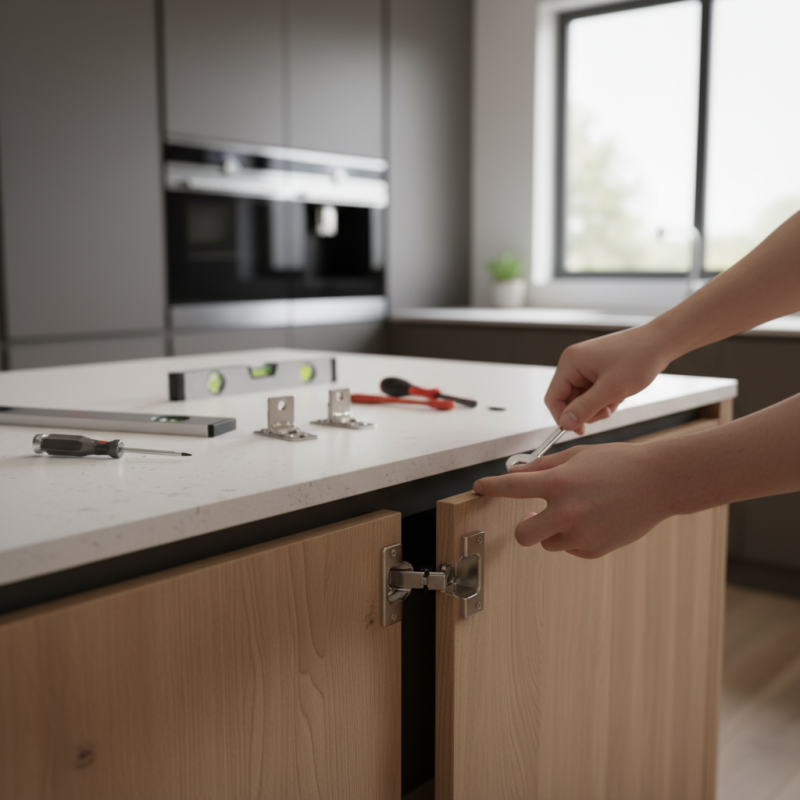
Choose the right tools for installation. A level ensures that the cabinet doors hang evenly. Use a drill for accurate holes. Take time measuring where the hinges will go. Misplacement can lead to uneven doors or even damage. Plan each step carefully.
Consider the weight of the cabinet doors. Heavier doors need sturdier hinges for support. They must function well and look good. Sometimes, the first choice might not work as expected. Don’t rush the process. Assess your choices and make adjustments. That extra time spent can result in a polished final look.