
China Top 10 Fluid End Module Manufacturers?

China’s Fluid End Modules market has expanded from basic replacement parts to engineered assemblies for demanding drilling and pressure-pumping applications. This guide examines ten notable Chinese manufacturers through practical selection criteria, not marketing claims alone. The review considers forged steel quality, heat treatment, machining accuracy, pressure testing, material traceability, and compatibility with major pump designs.

Field experience often exposes the difference. A module may look flawless on a warehouse pallet, yet fail early after abrasive slurry, repeated pressure cycling, or poor bolt alignment. Maintenance reliability engineer Heinz P. Bloch offers a useful principle: “The goal of maintenance is not to maintain equipment, but to maintain the functions of the equipment.” That idea applies directly to Fluid End Modules, where uptime matters more than appearance.

The comparison also reviews manufacturing capacity, inspection systems, export experience, customization, delivery consistency, and technical support. Buyers should request mill certificates, dimensional reports, nondestructive testing records, and clear warranty terms. Some suppliers present impressive catalogs but provide limited evidence. That weakness deserves attention.

No ranking is perfect. Supplier performance can vary between factories, batches, and production years. Therefore, this list should support due diligence rather than replace it. A video inspection, sample order, or independent technical audit may reveal details that brochures hide. The strongest manufacturers combine stable metallurgy with responsive engineering teams. They understand operating conditions, not only drawings. For procurement managers, drilling contractors, and equipment distributors, that distinction can reduce unexpected downtime and protect long-term operating costs.
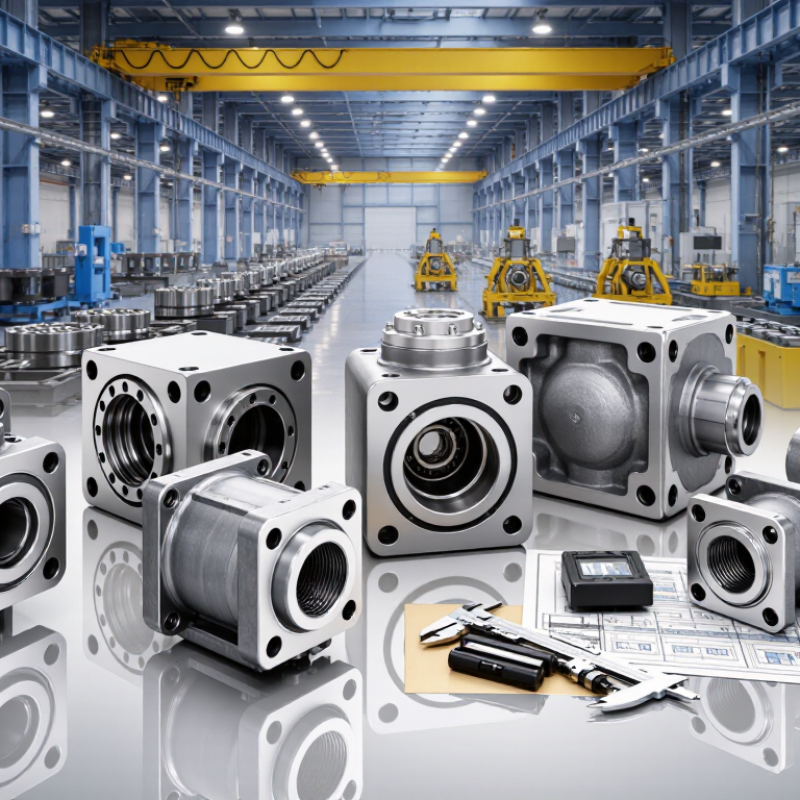
China Top 10 Fluid End Module Manufacturers?

What Is a Fluid End Module and How Does It Work?

A fluid end module is the pressure-producing section of a reciprocating pump. It contains the fluid chamber, suction and discharge valves, seats, plugs, and replaceable wear parts. The power end moves a piston or plunger. The fluid end converts that motion into controlled liquid flow. During the suction stroke, negative pressure opens the inlet valve. The chamber fills. During the discharge stroke, the inlet valve closes, while the outlet valve opens under pressure. Simple in theory. Severe in service.

Design choices depend on pressure, fluid chemistry, temperature, and solids content. Forged alloy steel can resist repeated loading, while replaceable liners reduce maintenance costs. Valve geometry also affects pulsation, noise, and energy loss. API 674 provides requirements for many positive-displacement process pumps, although field conditions still demand engineering judgment. A laboratory result cannot fully predict abrasive slurry behavior. That assumption can fail.

The IEA Oil 2024 report projects global oil demand to reach about 105.4 million barrels per day by 2030. This continuing demand supports extensive pumping activity across production, processing, and transport systems. However, higher operating pressure increases fatigue risk at the fluid end. Operators should track vibration, discharge pressure, valve temperature, and leakage trends. A small pressure fluctuation may signal damaged seating surfaces. In my experience, maintenance teams often replace valves first. They sometimes overlook alignment, pulsation dampeners, or contaminated flushing liquid. The module is rarely an isolated component. Its reliability depends on the entire pumping system.

Key Criteria for Ranking Chinese Fluid End Manufacturers

China Top 10 Fluid End Module Manufacturers: Key Criteria for Ranking Chinese Fluid End Manufacturers

Ranking Chinese fluid end module manufacturers requires more than comparing prices or website claims. A reliable assessment begins with material quality, pressure performance, machining accuracy, and documented production experience. Buyers should examine forged steel grades, heat-treatment records, and inspection reports for each critical component. Small deviations can cause serious sealing problems. Evidence matters. Not promises.

A strong manufacturer should provide clear dimensional data, pressure-test results, and traceability from raw material to finished module. Look for stable tolerances around fluid passages, valve seats, and threaded connections. Factory audits can reveal practical details, such as clean assembly areas, calibrated measuring tools, and protected storage for machined parts. Certifications help, but they do not replace production evidence. Independent testing adds credibility when specifications are demanding.

Ranking should also consider engineering support, customization ability, spare-part availability, delivery consistency, and after-sales response. Experienced manufacturers can adapt modules to different operating pressures, pump configurations, and maintenance routines. Ask for field references, failure records, and corrective-action reports. A company that discusses past defects honestly may be more trustworthy than one claiming perfect performance. This point deserves reflection: no production line is flawless. The better question is how quickly and transparently the manufacturer identifies problems, improves processes, and protects the customer from repeated failures.

China’s Top 10 Fluid End Module Manufacturers

China’s top 10 fluid end module manufacturers should be judged by engineering evidence, not advertising claims. A practical review examines forged alloy quality, pressure-cycle records, machining tolerance, heat treatment, and replacement speed. API Specification 7K remains a useful reference for drilling and well-servicing equipment. However, certification alone does not prove stable field performance.

China’s large drilling and maintenance base supports strong demand for these components. According to China’s General Administration of Customs, the country imported about 563.99 million tonnes of crude oil in 2023. That scale requires reliable mud-pump systems, especially in high-pressure drilling environments. The top ten candidates should therefore show traceable material certificates, hydrostatic testing, non-destructive inspection, and documented service experience across different formations.

Cost matters, but it should not dominate the ranking. A cheaper fluid end may create longer downtime when liners, valves, or discharge modules fail early. Reports from the International Energy Agency, including Oil 2024, also indicate continuing investment in Asian oil and gas supply chains, although demand patterns are changing. A ranking can never be perfectly clean. Public production data is uneven, and some manufacturers disclose little about failure rates. Buyers should request sample inspection records, dimensional drawings, spare-part lead times, and independent test results before accepting any “top 10” list. Fresh evidence matters more than a polished catalogue.

Product Capabilities and Major Industry Applications

China Top 10 Fluid End Module Manufacturers: Product Capabilities and Major Industry Applications

China’s leading fluid end module manufacturers serve drilling, fracturing, cementing, mining, and industrial pressure-testing markets. Their products commonly use forged alloy steel, replaceable liners, hardened valves, and precision-machined fluid passages. Triplex and quintuplex designs support high-pressure pumping, often reaching 10,000 to 15,000 psi. The International Energy Agency’s Oil 2024 report projects global oil demand near 105 million barrels per day by 2029. This forecast supports continued demand for durable pressure-pumping equipment. However, demand varies sharply by region and project type.

Product capability depends on more than rated pressure. Engineers examine fatigue life, corrosion resistance, thermal treatment, seal design, and maintenance access. In shale operations, fluid ends must tolerate abrasive proppant and repeated pressure cycles. In mining, they may handle thick slurry with changing particle sizes. The U.S. Energy Information Administration reports that drilling activity remains closely linked to oilfield investment and commodity prices. That connection makes replacement modules valuable during equipment downtime. No module is perfect. Field data may expose weaknesses that laboratory tests miss.

Tips: Request material certificates, pressure-test records, dimensional drawings, and service-history data. Confirm compatibility with the pump’s power end, liners, valves, and operating fluid. Review API 7K or equivalent quality requirements where applicable. Also, ask about spare-part lead times. A low purchase price can become expensive when one damaged module stops an entire pumping spread.

China Top 10 Fluid End Module Manufacturers? - Product Capabilities and Major Industry Applications

Rank Anonymous Manufacturer Profile Primary Fluid-End Module Capability Typical Working Pressure Common Bore Range Typical Materials Key Product Features Major Industry Applications Typical Replacement Scope
1 Profile A Triplex mud-pump fluid ends for land drilling 5,000–7,500 psi 4–6 in Forged alloy steel; carbide or hardened inserts Modular design Replaceable liners API-style inspection Onshore oil and gas drilling, geothermal drilling, workover operations Fluid-end modules, liners, valves, seats, plungers and wear plates
2 Profile B High-pressure triplex fluid ends for deep drilling 7,500–10,000 psi 4–6 in High-strength forged steel; tungsten-carbide wear surfaces High fatigue resistance Enhanced sealing Heat-treated components Deep wells, high-pressure drilling, extended-reach drilling Complete fluid ends, valve covers, discharge flanges and seal assemblies
3 Profile C Quintuplex pump fluid-end modules 5,000–10,000 psi 3.5–5.5 in Forged alloy steel; stainless or nickel-alloy trim Lower pulsation Compact footprint High flow density Land drilling, managed-pressure drilling, high-rate well construction Fluid-end bodies, valves, seats, packing assemblies and discharge dampener parts
4 Profile D Fracturing-pump fluid ends for stimulation service 10,000–15,000 psi 3–5 in High-strength forged steel; erosion-resistant internal components Abrasion resistance Rapid maintenance High-cycle service Hydraulic fracturing, acidizing, pressure pumping and well stimulation Replaceable fluid-end modules, valves, seats, plungers and discharge components
5 Profile E Sand-service and abrasive-slurry fluid ends 5,000–10,000 psi 3–5 in Alloy steel; tungsten-carbide or ceramic wear protection Erosion control Replaceable wear parts Slurry compatibility Fracturing with proppant, cementing, mining slurry and abrasive chemical transfer Valve assemblies, seats, liners, plungers, suction manifolds and wear inserts
6 Profile F Offshore and marine drilling fluid ends 5,000–7,500 psi 4–6 in Corrosion-resistant alloy steel; protective coatings Corrosion protection Compact servicing Marine-duty finishes Offshore drilling, jack-up rigs, semi-submersible rigs and marine construction Fluid-end blocks, valve covers, liners, seals, bolts and corrosion-control components
7 Profile G Coiled-tubing and well-intervention pump modules 5,000–10,000 psi 2–4 in Forged alloy steel; stainless trim for chemical exposure High-pressure injection Compact configuration Chemical resistance Coiled-tubing intervention, well cleanout, nitrogen services and pressure testing Small-bore fluid ends, valves, seats, packing, plungers and injection manifolds
8 Profile H Cementing-pump fluid-end modules 5,000–15,000 psi 3–5 in Forged alloy steel; cement-resistant elastomers and wear parts High-pressure cementing Easy flushing Abrasion control Primary cementing, remedial cementing, squeeze cementing and well abandonment Fluid-end blocks, valves, seats, liners, packing systems and washout components
9 Profile I Industrial reciprocating-pump fluid ends 1,000–10,000 psi 1.5–6 in Carbon steel, stainless steel, duplex steel and nickel alloys Material customization Corrosion resistance Metering accuracy Water treatment, chemical processing, boiler feed, desalination and power generation Custom fluid ends, diaphragms, valves, seats, plungers and chemical-service seals
10 Profile J Mining and high-solids slurry-pump fluid ends 2,000–7,500 psi 3–6 in High-chrome alloy, forged steel and ceramic-lined wear components Solids handling Heavy-duty wear resistance Long service intervals Mining, mineral processing, tailings transport, drilling mud recycling and tunneling Slurry fluid ends, valve assemblies, liners, seats, plungers and abrasion-resistant inserts

Pressure ranges and bore sizes are typical industry specifications for comparable fluid-end modules. Actual ratings depend on pump geometry, material grade, temperature, fluid composition, operating cycle and applicable engineering standards.

How to Choose a Reliable Chinese Manufacturer

China’s top ten fluid end module manufacturers should not be judged by rankings alone. A reliable supplier proves its capability through drawings, inspection records, and consistent production results. Request material certificates for forged steel, heat-treatment reports, and dimensional records for every critical component. Clear documentation matters.

Check whether the factory understands your pump model, pressure rating, fluid type, and operating temperature. Ask for a sample inspection plan before placing a large order. The plan should cover sealing surfaces, valve cavities, bolt holes, and connecting threads. Pressure testing must follow an agreed procedure, with readable test data and traceable serial numbers. Photos help, but they are not proof.

Visit the workshop when possible. Look for calibrated measuring tools, controlled storage, clean machining areas, and workers who can explain tolerances. A professional manufacturer should discuss failure risks instead of promising perfection. That honesty is valuable. Communication can still be imperfect, especially across languages and time zones. Confirm drawings, packaging, delivery dates, warranty terms, and spare-part availability in writing. A lower quotation may hide weaker inspection or unstable material supply. I would rather accept a slower response than receive a module that fits poorly after installation. Always test a small order first, although even this approach cannot remove every risk.

Go to Top