Top Hydraulic Pumps for Global Buyers What to Consider?
Hydraulic Pumps are vital components in various industrial applications. They convert mechanical energy into hydraulic energy, enabling machines to perform tasks efficiently. According to a recent market research report by Transparency Market Research, the global hydraulic pumps market is expected to reach $12 billion by 2025, growing at a CAGR of 6.5%. This growth highlights the increasing demand for effective hydraulic systems across several sectors.
In the competitive landscape, buyers must consider several factors when selecting hydraulic pumps. Factors like pressure rating, flow rate, and size are crucial for optimal performance. A specialized survey by Research and Markets indicates that choosing the right hydraulic pump can enhance system efficiency by up to 30%. However, not all buyers prioritize these crucial specifications. Many overlook maintenance requirements, which can lead to costly downtime and inefficiencies.
The diversity in hydraulic pump types, such as gear, piston, and diaphragm pumps, adds complexity. Each type has unique advantages and potential drawbacks. Understanding these specifics is essential for making informed decisions. It's vital for buyers to weigh these considerations carefully to align their needs with the right hydraulic pump solution.
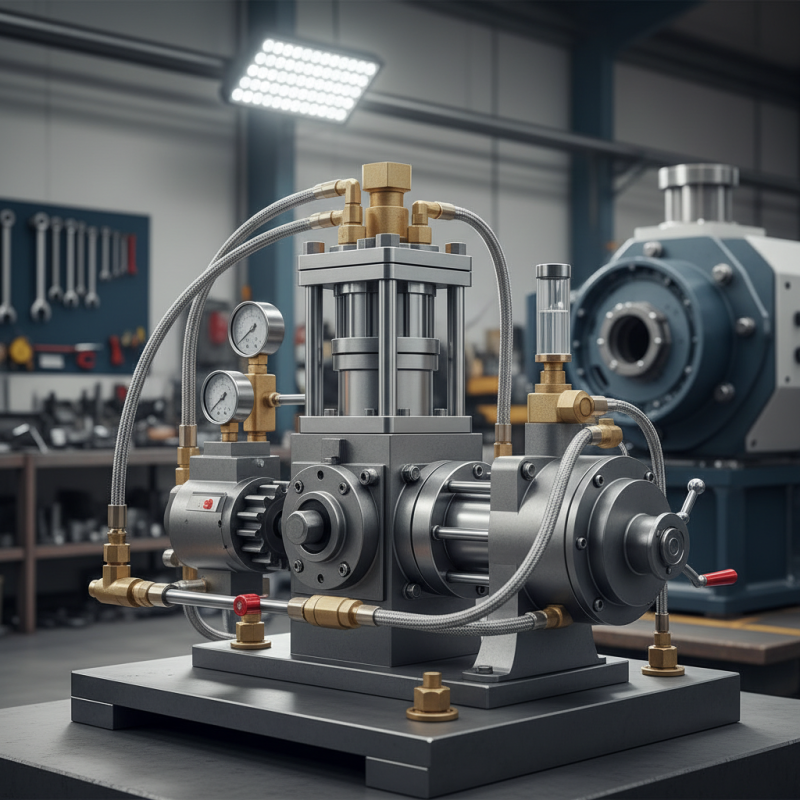
Factors to Consider When Choosing Hydraulic Pumps
When selecting hydraulic pumps, there are several key factors to keep in mind. Understanding the application is crucial. Different tasks require different pump types. Consider the flow rate and pressure specifications needed. Even slight mismatches can lead to inefficiency or failure. Assessing the environment where the pump will operate is equally important. Harsh conditions may necessitate robust designs.
Another significant factor is the compatibility of materials. A pump needs to withstand the fluid it will handle. Corrosive substances can deteriorate components quickly. Choosing the right material prevents costly repairs. Look into the pump's maintenance requirements as well. Some models need frequent checks, which can add to downtime.
Reliability is vital in hydraulic pump selection. Researching user reviews and expert insights will help. Note that not all favorable reviews indicate a superior product. Some pumps may excel in one aspect but fall short in others. Therefore, seek products that offer a balance of performance and durability. It's essential to weigh these considerations thoughtfully, as they directly impact the long-term success of hydraulic systems.
Top Hydraulic Pumps in 2023: Factors to Consider
This bar chart illustrates key performance metrics to consider when choosing hydraulic pumps, including flow rate, pressure, efficiency, and weight. These factors are crucial for global buyers evaluating the best options for their needs.
Types of Hydraulic Pumps Available in the Market
When exploring the types of hydraulic pumps available in the market, it’s essential to understand the variety and applications. Hydraulic pumps are vital in various industries such as construction, manufacturing, and automotive. The most common types include gear pumps, vane pumps, and piston pumps.
Gear pumps are known for their simplicity and reliability. They use meshing gears to move fluid, making them suitable for low-viscosity liquids. Vane pumps offer versatility and can handle different fluid types. Their rotating vanes create a vacuum that draws in fluid, making them ideal for medium-pressure applications. Piston pumps stand out for high-pressure applications. They use pistons instead of gears or vanes, providing efficient power and flow control.
While these pump types serve specific functions, it is crucial to reflect on your project’s needs. Consider factors such as pressure requirements, fluid type, and space constraints. Not every pump will suit every application. Therefore, evaluating options thoughtfully can lead to better long-term efficiency and reliability.
Key Features of High-Quality Hydraulic Pumps
When considering hydraulic pumps, several key features distinguish high-quality options from the rest. Efficiency is paramount; reports from industry sources indicate that the best hydraulic pumps operate with energy efficiency ratings exceeding 90%. This means less energy waste and reduced operational costs for users. Reliability is another crucial factor. A well-built hydraulic pump should have a lifespan of at least 5,000 hours under normal conditions, which significantly impacts maintenance costs and overall productivity.
Moreover, the materials used in construction play a vital role. High-quality hydraulic pumps are often made from corrosion-resistant alloys. This not only ensures durability but also prevents premature failures. The ability to handle a wide range of temperatures and pressures is essential. Many premium models offer functionality in extreme conditions, which is a major consideration for various industrial applications.
Tip: Always check for the specifications of the hydraulic pump regarding pressure ratings and temperature ranges. They can greatly influence the pump’s performance in your specific application. Understand the design features and seek models that are easy to maintain. Regular maintenance checks can prolong the pump's life, enhancing overall operational efficiency. Don't overlook these details—they can make a meaningful difference in your investment.
Top Hydraulic Pumps for Global Buyers - Key Features of High-Quality Hydraulic Pumps
| Pump Type | Max Pressure (bar) | Flow Rate (L/min) | Efficiency (%) | Weight (kg) |
| Gear Pump | 200 | 50 | 85 | 15 |
| Piston Pump | 350 | 80 | 90 | 25 |
| Bucket Pump | 150 | 30 | 80 | 10 |
| Diaphragm Pump | 100 | 40 | 70 | 12 |
Comparative Analysis of Leading Hydraulic Pump Brands
When choosing hydraulic pumps, buyers should focus on performance metrics. These include flow rate, pressure capabilities, and efficiency. A well-designed pump can minimize energy consumption. However, many buyers overlook maintenance factors. Regular upkeep is crucial for performance longevity. Failure to address wear and tear can lead to significant operational downtime.
Brand reputation plays a vital role in decision-making. Established brands often provide robust support and warranties. Yet, newer brands may introduce innovative features at competitive prices. Buyers should consider performance over brand loyalty. Trustworthy reviews and case studies can provide insights. Evaluating these aspects helps in making informed choices.
Lastly, compatibility with existing systems is critical. Some pumps may not integrate well with specific machinery. This might lead to unexpected costs down the line. Researching compatibility before purchasing may prevent future issues. Ensuring the pump’s specifications align with your needs is essential for success.
Best Practices for Maintaining Hydraulic Pumps Performance
When it comes to maintaining hydraulic pump performance, understanding the intricacies of these systems is crucial. According to the International Fluid Power Society, regular maintenance can enhance efficiency by up to 30%. Ensuring proper fluid levels and quality is vital. Contaminated fluid can lead to increased wear and corrosion of internal components, significantly shortening pump lifespan.
Tip: Check fluid levels weekly and consider using filtration systems to maintain fluid integrity.
Another key factor is monitoring operating temperatures. Overheating can indicate issues such as low fluid levels or excessive load. The Hydraulic Institute suggests keeping temperatures below 180°F (82°C) to optimize performance and avoid damage. A consistent temperature check can prevent costly downtimes and repairs.
Tip: Invest in temperature sensors to streamline monitoring and detect anomalies quickly.
Vibration analysis is a valuable tool for assessing pump health. Unusual vibrations often signal mechanical problems. Regularly scheduled inspections can prevent major failures. Studies have shown that proactive vibration monitoring can extend equipment life by 20-25%.
Tip: Use vibration analyzers to track performance trends over time and identify potential issues early.