Top 10 Iron Pendant Light Suppliers Worldwide
Choosing an Iron Pendant Light supplier requires more than comparing catalog prices. Material quality, finish consistency, electrical documentation, and communication can shape the final result. This guide examines ten suppliers serving international buyers, from established manufacturers to specialized lighting studios. It considers how each company presents its products, supports customization, and manages production details. A polished website is useful, but it is not proof of dependable service. Real evaluation needs closer questions.
Can the supplier provide clear dimensions, metal thickness, socket specifications, and tested wiring options? Are finishes shown under natural light, or only in carefully edited images? Lead times also matter. A pendant delayed beyond a restaurant opening can cost more than its purchase price. We look at factory experience, design capability, sample policies, packaging practices, and after-sales communication. Where information appears limited, that limitation is noted rather than disguised. Some rankings may remain debatable.
The selection is intended for architects, interior designers, hospitality buyers, retailers, and homeowners planning larger projects. Readers will find practical details about style ranges, order quantities, customization, and expected purchasing risks. Supplier reputations can change, and regional requirements differ, so independent verification remains important. Request current specifications, confirm certifications for your market, and inspect samples before committing to volume. The best partner is not always the cheapest. It is the one whose promises survive contact with the finished fixture.
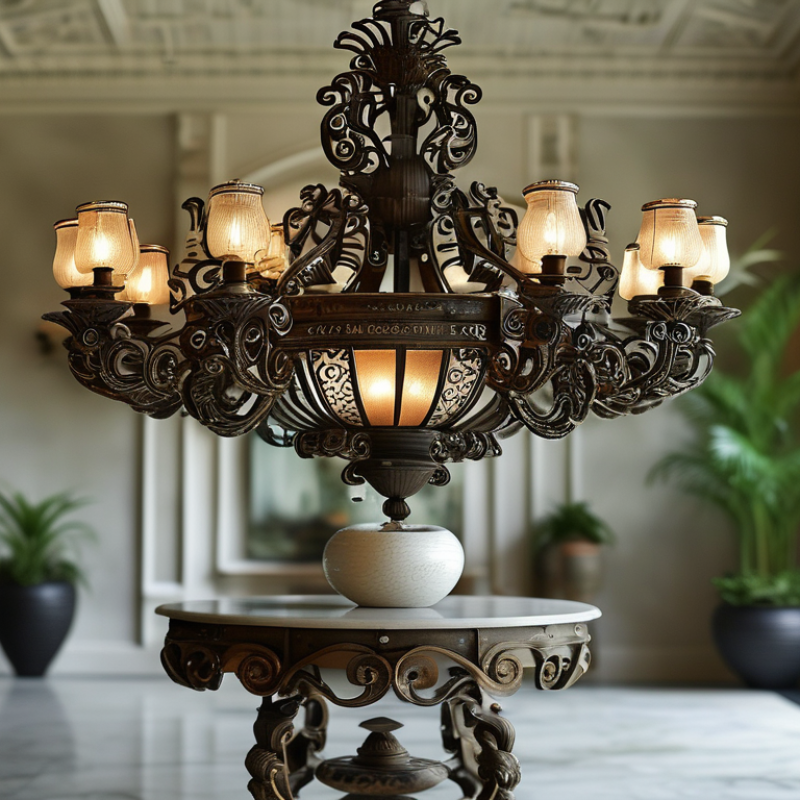
What Defines a Reliable Iron Pendant Light Supplier
Top 10 Iron Pendant Light Suppliers Worldwide
What Defines a Reliable Iron Pendant Light Supplier
A reliable iron pendant light supplier offers more than attractive product photos. They explain the iron grade, material thickness, coating process, and electrical components clearly. Ask for samples before placing a large order. A sample can reveal rough welds, uneven paint, weak sockets, or poor cable fittings. These small details often become expensive problems later.
Experience matters on the production floor. Skilled suppliers inspect frame alignment, socket installation, and load-bearing points before shipment. They should provide test reports and documentation for the destination market’s electrical and safety requirements. Clear communication also matters. Accurate drawings, realistic lead times, and written quality standards reduce confusion. Still, no supplier is perfect. Delays can happen, and vague promises deserve careful questioning.
Tips: Request a pre-production sample and detailed inspection photos. Check how pendant lights are packed, especially around thin arms and glass shades. Confirm replacement parts, warranty terms, and response times in writing. A dependable supplier will discuss limitations openly, not hide them behind polished language. Visit the factory when possible, or use an independent inspection service. Trust should be built through evidence, not confidence alone.
Key Criteria for Comparing Global Iron Pendant Light Suppliers
Comparing global iron pendant light suppliers requires more than checking catalogue photos. Material traceability matters. Ask whether the shade uses solid iron, formed steel, or mixed alloys. Request gauge details, coating samples, and test results for rust resistance. A warm showroom finish can hide uneven welds. Inspect the socket, canopy, cable strain relief, and mounting hardware. These small parts often reveal production discipline. I have found that a physical sample exposes flaws that product pages never show. Not every defect is obvious.
Production capability should match the project, not merely the supplier’s claims. Review monthly capacity, mold ownership, standard lead times, and peak-season delays. Ask for an inspection plan covering dimensions, color consistency, electrical components, and drop-tested packaging.
Reliable suppliers share inspection photos and corrective-action records without hesitation. Verify applicable safety documentation for the destination market. Also check factory working conditions and material-disposal practices. Sustainability claims need evidence, not polished wording. A lower quote may exclude wiring, protective packing, or replacement parts.
Communication is another practical test. Send the same technical brief to each candidate and compare the questions they ask. Skilled teams clarify voltage, ceiling height, dimming, finish, and installation conditions. They should explain limitations plainly. Evaluate response speed, drawing accuracy, sample revisions, payment terms, and after-sales support. References from comparable commercial projects are more useful than generic testimonials. Price matters. Color batches can vary, and shipping damage can occur despite careful packing. A clear remedy, spare-parts policy, and documented approval process can reduce that risk.
Top 10 Iron Pendant Light Suppliers by Product Strengths
Top 10 Iron Pendant Light Suppliers Worldwide
Top 10 Iron Pendant Light Suppliers by Product Strengths
The leading iron pendant light suppliers stand out through different product strengths. Some specialize in hand-forged frames with visible hammer marks and warm, irregular textures. Others focus on precise stamped iron shades, suitable for restaurants, hotels, and large residential projects. Their best products usually combine stable welding, balanced suspension, and heat-resistant surface finishes.
Suppliers with strong customization services can adjust shade diameter, canopy size, cord length, and finish color. This matters when a pendant must fit above a 90-centimeter dining table or beneath a low ceiling. Powder-coated surfaces offer practical protection against scratches and humidity. Suppliers serving multiple markets should also provide clear socket specifications, wiring details, packaging standards, and installation instructions.
Reliable suppliers support quality control with sample approval, dimensional checks, and lighting tests before mass production. Some offer small-batch orders, which helps designers test an interior concept without excessive inventory. However, no supplier is perfect. A beautiful sample may hide uneven coating or weak packaging during long-distance shipping. I would request close-up finish photos, carton test records, and replacement policies before ordering. Product strength is not only appearance. It includes consistency, safety documentation, communication speed, and the supplier’s ability to correct mistakes.
Materials, Manufacturing Standards, and Customization Options
Top 10 Iron Pendant Light Suppliers Worldwide: Materials, Manufacturing Standards, and Customization Options
Iron pendant lighting depends on more than visual appeal. In supplier audits, I examine steel thickness, weld consistency, coating adhesion, and socket alignment. Cold-rolled steel offers clean edges, while cast iron creates heavier, more textured forms. Powder coating usually improves scratch resistance, but poor surface preparation can cause early peeling. Details matter. Ask for salt-spray results, coating samples, and material certificates before approving production.
Manufacturing quality should follow recognized requirements. IEC 60598-1 defines general safety requirements and tests for luminaires, while UL 1598 covers many electric lighting fixtures in North America. Suppliers should also document grounding, insulation, heat management, and electrical testing. The U.S. Department of Energy reported that LED lighting can use at least 75% less energy and last up to 25 times longer than incandescent lighting. That benefit depends on compatible sockets, ventilation, and reliable drivers.
Customization may include shade diameter, canopy shape, cord length, color temperature, finish, and dimming compatibility. A capable factory should provide drawings, prototypes, and measured tolerances. Small changes matter. A 10-millimeter shift can alter balance above a dining table. However, customization often increases tooling time and minimum order quantities. Buyers should compare samples under real lighting, not only digital renders. A perfect specification is still incomplete if installation conditions remain unknown.
Top 10 Iron Pendant Light Suppliers Worldwide: Evaluation Framework
This chart presents a neutral 100-point evaluation framework for comparing international iron pendant light suppliers without displaying company or brand data. Product quality and safety compliance are weighted most heavily, including relevant requirements such as IEC 60598-1, EN 60598-1, UL 1598, RoHS, REACH, and applicable IP protection ratings. Customization covers finish, dimensions, cable and canopy options, color temperature, packaging, and private-label production.
How to Select the Right Supplier for Your Project
Choosing among the top 10 iron pendant light suppliers worldwide requires more than comparing catalog prices. Start with the project brief: ceiling height, pendant diameter, lamp weight, finish, quantity, and installation environment. A supplier should provide clear drawings, material specifications, electrical details, and tested load ratings. Vague answers are a warning.
Request a physical sample before approving production. Examine welds, edge smoothness, coating consistency, socket alignment, and cable quality under normal room lighting. A black finish may look uniform online but reveal uneven patches beside a window. Ask about moisture resistance if the pendant will serve a restaurant, hotel, or covered outdoor area. Confirm certifications and local electrical requirements with a qualified professional.
Supplier reliability is measured during difficult conversations. Check production capacity, minimum order quantities, lead times, packaging methods, replacement policies, and inspection procedures. Ask for recent project references, not only polished photographs. Communication matters too; a supplier that reports a delay early may be safer than one promising impossible delivery dates. I have seen teams focus heavily on unit cost and overlook crating damage, which later changed the project budget. That mistake is easy to repeat. Compare the full landed cost, including freight, duties, spare parts, and installation support. A small trial order can expose problems before hundreds of fixtures arrive.