Top Precast Concrete Mixer Options for Global Buyers?
The demand for high-quality Precast Concrete Mixers continues to grow in the global market. Buyers face a myriad of options, each with unique features and benefits. Selecting the right precast concrete mixer can significantly affect production efficiency and quality.
Many manufacturers now offer a range of innovative mixers designed to meet various construction needs. These mixers cater to different scales of operation, from small projects to large industrial applications. Each option has its strengths, but not all mixers are created equal. It’s crucial for buyers to assess their specific requirements.
Factors to consider include the mixer’s capacity, technology, and ease of maintenance. It’s essential to weigh these elements carefully. Even the most advanced models may fall short if not aligned with project needs. As the industry evolves, staying informed about the latest advancements in precast concrete mixer technology is vital for informed decision-making.
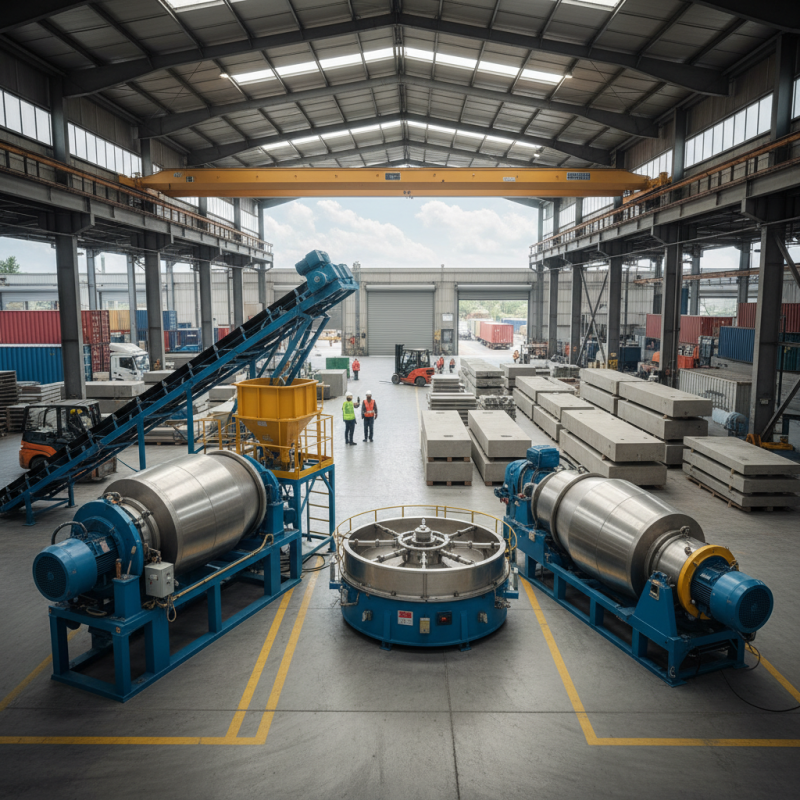
Global Precast Concrete Mixer Market Overview and Growth Trends
The global precast concrete mixer market is experiencing significant growth, driven by rising urbanization and infrastructure demands. According to industry reports, the market is projected to expand at a CAGR of around 7% over the next five years. This surge is largely due to the construction sector's pivot towards efficient practices and sustainable materials.
Precast concrete mixers provide speed and reliability, which appeal to many buyers. They've gained traction as projects increasingly seek ways to minimize downtime. However, potential buyers should be aware that not all products meet industry standards. Quality can vary widely, impacting performance. It’s essential to conduct thorough research before making a purchase.
Tip: Always check for certifications. These can indicate adherence to quality and safety standards. Engaging with trusted suppliers can also offer insights into the latest technologies that enhance productivity.
Nonetheless, using precast concrete mixers isn’t without challenges. For instance, transport and handling of precast elements can be tricky. Mishaps during transportation can lead to delays and increased costs. Thus, having a solid logistics plan is critical. Awareness of these factors can significantly influence project outcomes.
Top Precast Concrete Mixer Options for Global Buyers
| Mixer Type | Capacity (m³) | Power (kW) | Mixing Time (min) | Weight (kg) | Price Range (USD) |
| Planetary Mixer | 1.0 | 18 | 3 | 1200 | 15,000 - 20,000 |
| Twin Shaft Mixer | 2.0 | 22 | 2 | 1500 | 25,000 - 30,000 |
| Batch Mixer | 2.5 | 20 | 4 | 1700 | 18,000 - 22,000 |
| Horizontal Mixer | 3.0 | 30 | 5 | 2000 | 30,000 - 35,000 |
| Self-Loading Mixer | 1.5 | 15 | 4 | 1600 | 12,000 - 17,000 |
Key Features and Specifications of Precast Concrete Mixers
Precast concrete mixers are essential for efficient construction projects. Their design focuses on durability and performance. A robust mixer can handle various mix designs, whether for slabs or structural elements. Quality mixers often feature high-capacity drums to increase productivity. They also prioritize user safety with reliable control systems.
Another key specification is the mixer’s mobility. Some models can easily move between job sites. This flexibility allows for quicker setup and reduces downtime. A hydraulic tilting system enhances usability. This feature simplifies the pouring process. However, not all models offer the same level of efficiency. Buyers should assess the weight and maneuverability to ensure they meet unique project needs.
Integration of electronic monitoring systems can enhance operational efficiency. These systems allow for real-time tracking of mix consistency. It adds an invaluable layer of quality control to projects. However, technology can sometimes complicate operations for new users. Adequate training is crucial to maximize the benefits. Potential buyers should weigh the complexity of features against their team's capabilities.
Leading Manufacturers and Their Competitive Edge in the Industry
In the competitive world of precast concrete mixers, manufacturers are carving out unique advantages. Leading companies focus on advanced technology and sustainable practices. They excel at meeting diverse client needs in the global market. Their machinery often integrates smart features to improve efficiency and reduce waste. Customers appreciate these innovations, but not all manufacturers are equally committed to quality.
Making a choice can be challenging. It's crucial to consider factors like durability, maintenance, and cost-effectiveness. Look for mixers that offer versatility in operation. Finding the right balance between features and price is key. Some buyers may undervalue after-sales support, which can lead to difficulties later.
Tips: Always assess the manufacturer’s reputation. Verify their experience in the industry before making a decision. Don't rush—take time to compare different options. Quality takes precedence. A seemingly lower price can lead to hidden costs and regrets. Conduct thorough research to avoid potential pitfalls.
Top Precast Concrete Mixer Options for Global Buyers
Technological Advancements in Precast Concrete Mixing Equipment
The precast concrete industry is evolving rapidly, influenced by technological advancements. One significant trend is the integration of automation in mixing equipment. According to a report by Technavio, the global precast concrete market is expected to grow by 5% annually from 2021 to 2025. This growth emphasizes the need for efficient mixing solutions.
Modern precast concrete mixers now feature advanced sensors and control systems. These innovations improve consistency and reduce waste. A study from Global Industry Analysts indicates that better mixing techniques can enhance the quality of precast products significantly.
However, reliance on technology raises concerns. Operators must ensure they have proper training to use complex equipment effectively.
Moreover, while these advancements seem promising, they come with their own challenges. Upgrading to new systems can require substantial investment. In some cases, older mixers may perform adequately, leading to questions about the necessity for new purchases. Striking a balance between innovation and cost-effectiveness remains a critical issue for global buyers.
Cost Analysis: Investment vs. Return in Precast Concrete Solutions
Investing in precast concrete solutions can be a significant decision for buyers. The initial costs are often high. However, the long-term benefits can outweigh these upfront expenses. Buyers should first assess their project requirements carefully. Some may find that lower upfront costs lead to more frequent repairs and maintenance, affecting overall returns.
Understanding the cost-benefit analysis is key. For example, consider how quickly a precast concrete structure can be built. Faster construction often means reduced labor costs. Additionally, these solutions typically offer durability, which can lead to lower maintenance costs. However, not all precast options deliver the same longevity. Buyers must research different manufacturing processes and material quality.
Assessing return on investment requires an understanding of both financial and operational impacts. An inefficient investment may result in project delays and increased expenses. Concrete quality varies significantly, and buyers must ensure they choose a reliable supplier. This involves evaluating production standards and past performance. The right choice can lead to significant savings and improved project timelines.