Top Uses of Steel Cable in Everyday Applications How Does It Work?
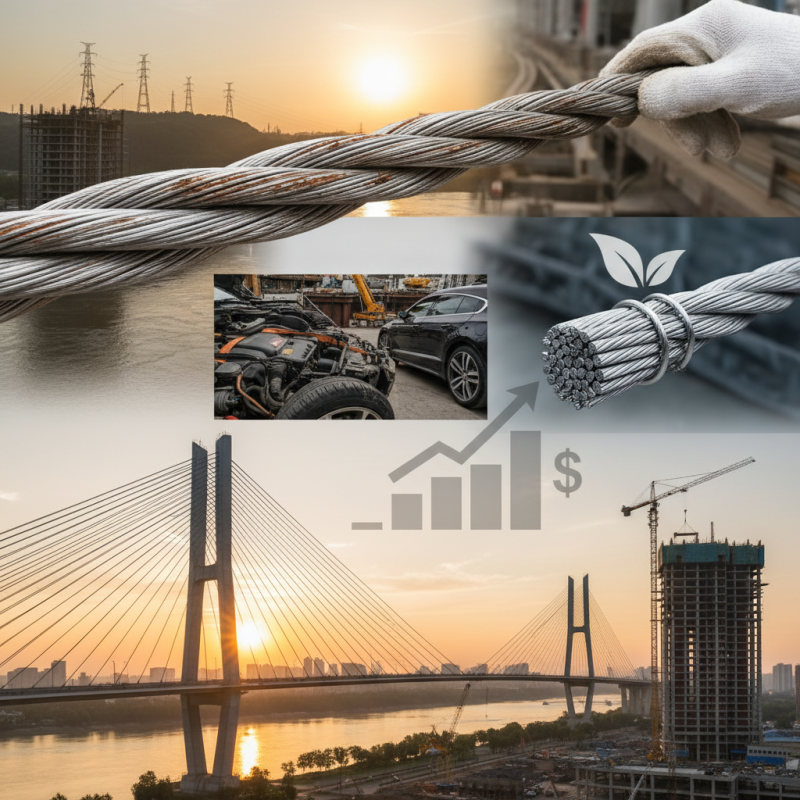
Steel cables have become integral components of various industries. Their strength and versatility make them essential in everyday applications. According to the Steel Cable Association, the global market for steel cables is projected to reach $7 billion by 2025. This remarkable growth underscores their significance in construction, automotive, and telecommunications sectors.
Experts like Dr. Linda Chen emphasize the innovative use of steel cables. She notes, "Steel cables are not just strong; they redefine safety and efficiency in construction." This statement reflects the dual benefits of reliability and functionality associated with steel cables. Whether suspending bridges or supporting heavy machinery, they demonstrate immense resilience under pressure.
Despite their advantages, reliance on steel cables is not without issues. Rust prevention and maintenance remain critical considerations. Regular inspections can detect wear and tear, potentially preventing accidents. As industries evolve, the challenge lies in optimizing these materials for sustainability, ensuring steel cables remain both effective and environmentally friendly.
The Composition and Properties of Steel Cable
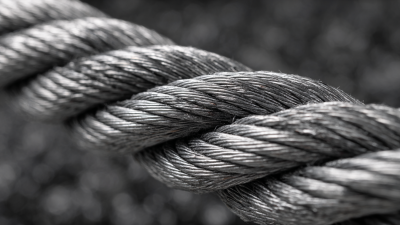
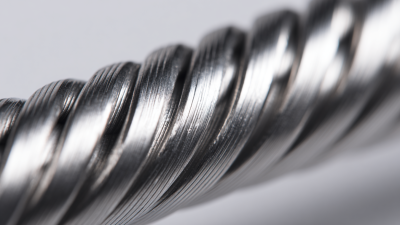
Steel cable is an essential component in various industries. Its composition includes high carbon steel, which provides strength and durability. The unique structure consists of multiple strands twisted together. This design enhances flexibility and resistance to wear. Steel cable can handle heavy loads, making it ideal for lifting and pulling applications.
The properties of steel cable are impressive yet flawed. While it’s known for its tensile strength, it can corrode over time. Environmental factors can weaken it unexpectedly. Regular inspections are crucial to maintain safety. The cable's diameter can vary, affecting its capacity and flexibility. Users must be aware of these variations when selecting a steel cable for specific tasks.
Moreover, steel cable is widely used in construction, transportation, and even sports. In construction, it secures heavy machinery. In transportation, it supports suspended structures like bridges. In sports, it aids in cable systems for climbing or ziplining. Despite its many uses, improper handling can lead to accidents. Caution and knowledge are vital for effective use.
Common Everyday Applications of Steel Cable
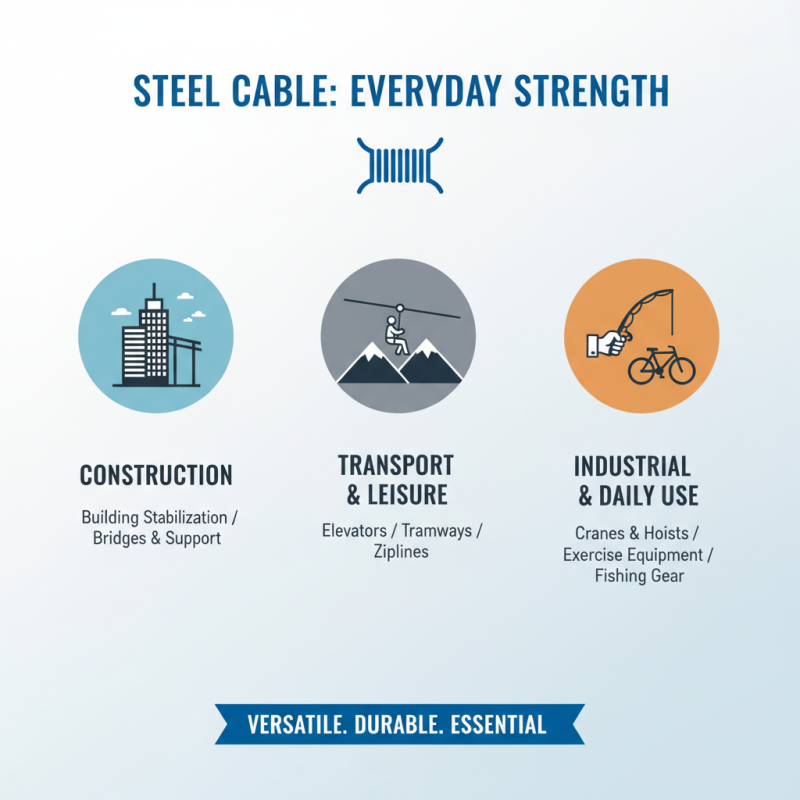
Steel cable has found its way into many aspects of daily life. It's versatile and strong, making it ideal for various applications. For instance, in construction, steel cables are often used in support structures. They help stabilize buildings, ensuring they remain safe during harsh weather.
In the world of transport, steel cables are critical. They are used in cable cars and elevators, lifting people to great heights. The reliability of steel cables is crucial in these scenarios. However, like any material, they can corrode or wear down. Regular inspections are necessary to maintain safety.
Another interesting use is in recreational activities. Steel cables are used in zip lines, offering thrills in parks and nature. They provide secure connections that allow adventurers to soar through the air. Despite their strength, there are risks involved, and proper safety measures should always be considered. People sometimes overlook the importance of inspecting cables before use, which could lead to accidents.
Mechanisms: How Steel Cable Works Under Load
Steel cables are essential in various applications. Their strength and durability make them ideal for lifting and supporting heavy loads. But how does this sturdy material perform under pressure? Steel cables consist of multiple strands twisted together, creating a flexible yet strong structure. This design allows them to absorb and distribute loads evenly.
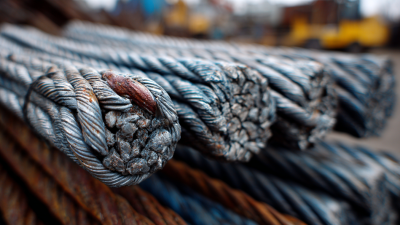
When a steel cable is subjected to tension, each strand bears a portion of the load. This distribution prevents any single strand from failing, which is crucial in safety-critical applications. The friction between the strands also enhances their overall strength. However, cables can wear out over time, especially in harsh conditions. Regular inspections are necessary to detect any signs of fraying or corrosion, which can compromise performance.
The environment affects steel cables significantly. Factors like humidity and temperature can cause expansion and contraction. This can lead to unexpected weaknesses. In some situations, cables need adjusting to maintain optimal tension. Proper maintenance is vital, but it can be challenging to implement consistently. Ensuring safety while using steel cables involves understanding their limitations.
Top Uses of Steel Cable in Everyday Applications
Safety Standards and Regulations for Steel Cables
Steel cables are integral to various applications, from construction to transportation. However, safety is paramount. Each application must adhere to strict safety standards. These regulations help prevent accidents and ensure that cables perform efficiently.
Tip: When selecting a steel cable, always check for compliance with local safety standards. Look for certifications that indicate quality and reliability. This can make a difference in safety.
Steel cables are often subject to wear and tear. Regular inspections are crucial. Signs of fraying or corrosion can indicate a potential failure. Ignoring these signs can lead to serious consequences.
Tip: Implement a maintenance schedule for all steel cable systems. Even small issues can escalate quickly. Preventive measures save lives and costs in the long run. Always prioritize safety in your operations.
Innovations and Future Trends in Steel Cable Technology
Steel cable technology is evolving rapidly, driven by innovation and the demand for efficiency. New materials and techniques are enhancing the strength and flexibility of these cables. For example, advancements in composite materials are making cables lighter yet stronger. This is crucial in industries like construction and transportation.
The future holds exciting possibilities. Smart cables integrated with sensors can provide real-time data about strain and load. This technology could improve safety in various applications. Moreover, environmentally friendly methods of producing steel cables are being explored. These innovations can potentially reduce the carbon footprint associated with steel production.
However, challenges remain. The cost of developing advanced steel cables can be high. There is also a need for extensive testing to ensure reliability. Companies must find a balance between innovation and practicality. As the industry evolves, there is much to reflect on regarding sustainability and efficiency. Ensuring that steel cable technology meets both current and future demands will take time and effort.