What is Metal Mesh and How is it Used in Industry?
Metal mesh is a versatile material. It plays a crucial role across various industrial applications. This woven structure provides both strength and lightweight properties. According to industry expert Dr. Emma Clarke, “Metal mesh is revolutionizing how we address filtration and structural needs.”
In construction, metal mesh enhances stability in concrete. It helps create safer buildings. Meanwhile, in the automotive sector, manufacturers use metal mesh for lightweight components. This reduces the overall weight of vehicles, leading to improved fuel efficiency. The aesthetic appeal of metal mesh in design adds to its popularity.
However, the use of metal mesh is not without challenges. Some products may not meet specific regulatory standards. There can also be miscalculations in material strength. As industries evolve, the demand for high-quality metal mesh continues to grow. Reflecting on these factors is essential for advancing future innovations.
Definition and Characteristics of Metal Mesh
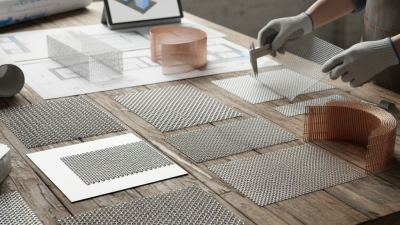
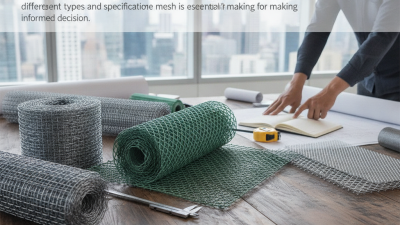
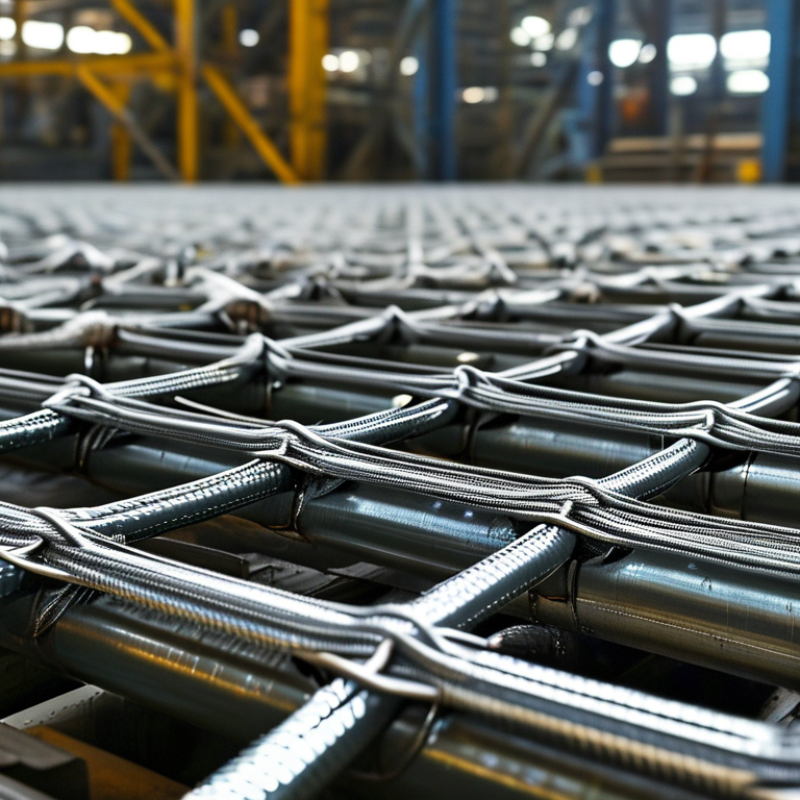
Metal mesh is a versatile material made from a variety of metals, such as stainless steel, aluminum, and copper. Its unique structure consists of interconnected wires or strands, creating a network with openings of specific sizes. This characteristic allows for various applications in different industries. For instance, metal mesh can function as a filter, barrier, or even a decorative element.
One notable feature of metal mesh is its strength-to-weight ratio. It provides durability while remaining lightweight, making it ideal for construction and industrial applications. The mesh can withstand harsh environments, including high temperatures and corrosive conditions. However, not all metal mesh is suitable for every application. Selection should consider the specific requirements, such as load-bearing capacity and environmental conditions.
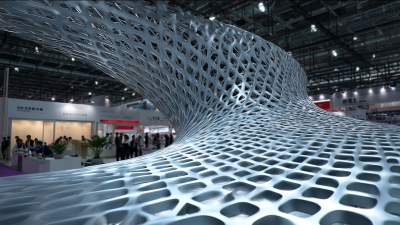
Metal mesh also presents aesthetic possibilities. It can enhance architectural designs or serve in artistic installations. However, achieving the right balance between functional and visual appeal can be challenging. Designers must ensure the mesh's integrity and functionality are not compromised while pursuing innovative designs. Overall, metal mesh continues to be a valuable asset across various sectors, reflecting both its practical uses and creative potential.
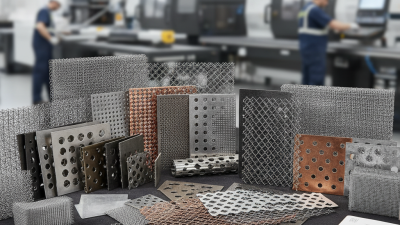
Types of Metal Mesh Used in Various Industries
Metal mesh is a versatile material used across various industries. Its lightweight and durable nature makes it ideal for many applications. There are different types, each serving unique purposes.
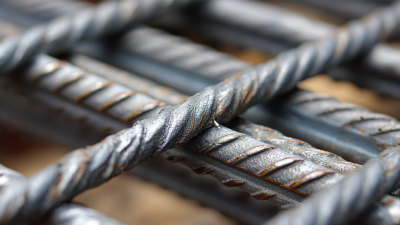
In construction, welded wire mesh is prevalent. It provides structural support and reinforcement in concrete. The mesh consists of intersecting wires that create a grid pattern. This enhances the strength of buildings. Additionally, expanded metal is found in flooring and walkways. It offers slip resistance and ventilation. The open design allows for airflow while maintaining safety.
In filtration, wire mesh screens are crucial. They separate particles in liquids and gases. Different mesh sizes are used depending on the application. A finer mesh can trap smaller particles, whereas a coarser mesh allows larger ones to pass. This is vital in industries like food processing and pharmaceuticals. The wrong size can lead to contamination issues.
What is Metal Mesh and How is it Used in Industry? - Types of Metal Mesh Used in Various Industries
| Type of Metal Mesh |
Material |
Industry Application |
Features |
| Welded Wire Mesh |
Steel |
Construction, Agriculture |
High strength, versatile use |
| Expanded Metal Mesh |
Aluminum, Steel |
Construction, Fencing |
Lightweight, durable |
| Knitted Wire Mesh |
Stainless Steel |
Food Processing, Filtration |
Corrosion resistant, flexible |
| Perforated Sheet |
Steel, Aluminum |
Automotive, Aerospace |
Customizable hole patterns, aesthetic appeal |
| Chain Link Fencing |
Steel |
Security, Sports |
Cost-effective, easy installation |
Industrial Applications of Metal Mesh in Manufacturing
Metal mesh is more than a functional material; it plays a critical role across various industries. In manufacturing, metal mesh is used for filtration systems, safety screens, and structural supports. According to recent market reports, the global metal mesh market is projected to reach approximately $7 billion by 2027, reflecting its growing importance in industrial applications.
One notable application of metal mesh includes its use in transportation and automotive sectors. Metal mesh is utilized to create lightweight yet durable components. This enhances fuel efficiency and improves vehicle performance. Companies are increasingly opting for metal mesh over traditional materials, indicating a trend toward innovation in design and functionality.
Tips: When selecting metal mesh for your project, consider the mesh size and material type. These factors significantly influence performance and durability. Also, evaluate the production methods to ensure that the mesh meets industry regulations and standards.
In aerospace, metal mesh offers advantages in weight reduction while providing structural integrity. It is used in creating components that must endure extreme conditions. However, companies often face challenges in sourcing the right mesh that balances strength and weight. Continuous research is essential to optimize these applications. Design choices should incorporate practical tests to ensure effectiveness, showcasing a commitment to quality and safety.
Benefits of Using Metal Mesh in Construction and Filtration
Metal mesh is a versatile material used in various industries, particularly in construction and filtration. Its strength and durability make it ideal for building applications. Metal mesh can support structures, allowing for better airflow and light passage. This attribute is beneficial for energy-efficient designs. It ensures that construction materials remain lightweight yet sturdy.
When it comes to filtration, metal mesh plays a crucial role in removing impurities from liquids or gases. Its fine openings can trap even the smallest particles. This capability enhances the efficiency of filtration systems. Various industries, including water treatment and food processing, rely on metal mesh for its reliability.
**Tip:** Always consider the mesh's size and material type to match your specific needs. Different applications may require different mesh configurations.
Another aspect to consider is the maintenance of metal mesh. While it is durable, it can still corrode over time. Regular inspections can help identify any wear and tear early. Proper care extends the life of metal mesh installations significantly.
**Tip:** Using a protective coating can help prevent corrosion and improve longevity. This simple measure can save costs in the long run.
Future Trends in the Use of Metal Mesh Technology
Metal mesh technology is evolving rapidly, finding applications across various industries. This versatility is evident in sectors such as construction, automotive, and aerospace. Its lightweight yet sturdy nature makes it ideal for reinforcing structures. Additionally, the aesthetic appeal of metal mesh brings a modern touch to architectural designs. As industries seek more sustainable solutions, metal mesh can play a pivotal role.
Looking ahead, the integration of smart technology into metal mesh is a compelling trend. Sensors can be embedded within the mesh to monitor structural integrity in real-time. This combination holds great potential for enhancing safety and maintenance protocols. Moreover, advances in manufacturing techniques may enable more complex designs, expanding the possibilities for customization in industrial applications.
Despite these advancements, challenges remain. The cost of high-tech metal mesh could hinder widespread adoption. There are still concerns over durability and long-term performance. Balancing innovation with reliability is essential for future success. As the industry adapts, ongoing research can address these issues, paving the way for sustainable growth in metal mesh applications.
Future Trends in the Use of Metal Mesh Technology