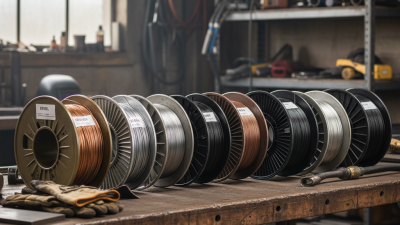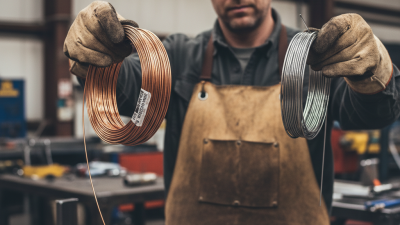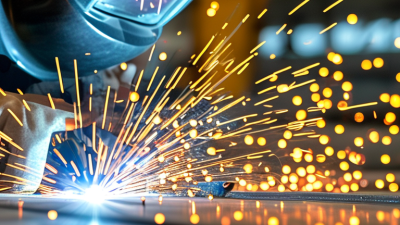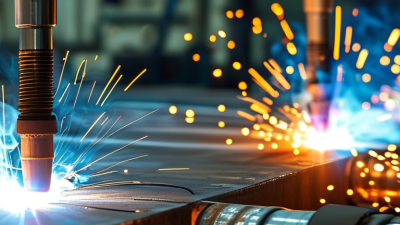
China Top Stainless Steel Welding Manufacturers is designed to guide buyers through a demanding industrial market. The best supplier is not always the largest factory. It is the manufacturer that consistently delivers clean welds, stable penetration, accurate dimensions, and dependable documentation. These details matter in pressure vessels, food-processing lines, architectural structures, and chemical equipment.
John C. Lippold, a respected welding metallurgy expert, wrote, “Weldability is a relative term, and it must always be considered in relation to a specific welding process and application.” This principle shapes our evaluation of stainless steel welding manufacturers in China. We examine TIG, MIG, laser, and orbital welding capabilities. We also consider grade control, heat input management, distortion prevention, and post-weld finishing. A bright seam may look impressive. It may still hide porosity or incomplete fusion.
Factory experience matters. So does evidence.
This overview focuses on manufacturers with verifiable production records, trained welders, inspection systems, and practical export experience. Relevant proof may include welding procedure specifications, material certificates, dimensional reports, and third-party inspection results. However, no ranking can remove every buyer’s responsibility. Some suppliers communicate well but offer limited technical depth. Others produce strong work but provide weak online information. That gap deserves careful review.
The guide compares China’s leading stainless steel welding companies through quality, equipment, certifications, capacity, customization, and after-sales support. It also highlights limitations where available. Reliable decisions begin with questions, not promises.
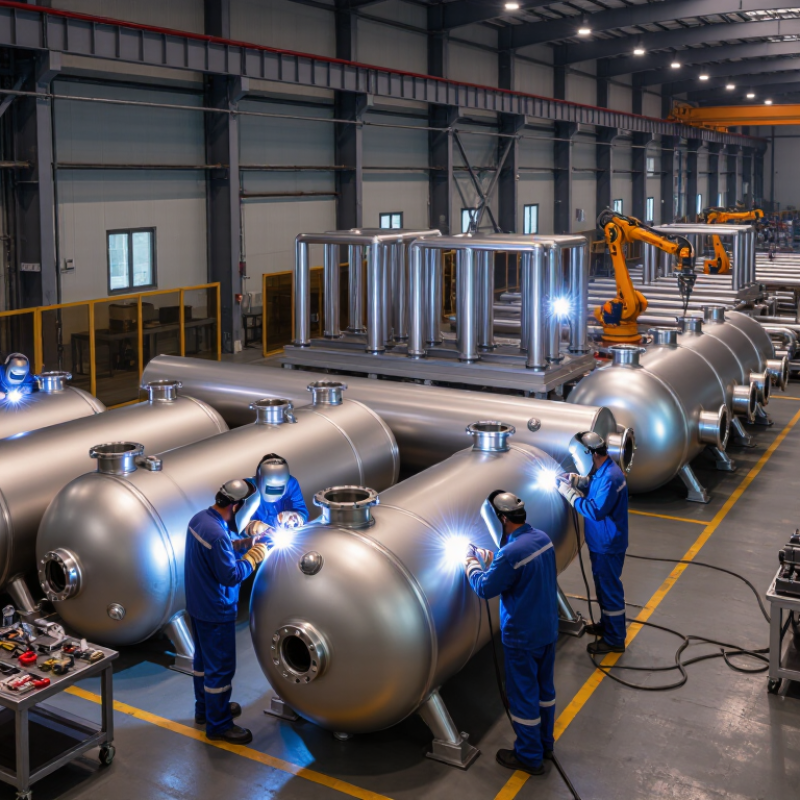
China Top Stainless Steel Welding Manufacturers
China’s stainless steel welding manufacturing industry serves food processing, medical equipment, water treatment, construction, and energy projects. Experienced manufacturers usually work with grades such as 304, 316L, and duplex stainless steel. Each grade requires suitable heat control, shielding gas, and filler metal selection.
A reliable workshop begins with material verification. Technicians check heat numbers, thickness, surface condition, and chemical certificates before production. TIG welding supports clean seams on thin components, while automated welding improves repeatability on larger assemblies. Laser welding can reduce distortion, but it demands accurate joint preparation. Cleanliness matters. Oil, dust, and carbon-steel contact can create serious contamination risks.
Quality teams normally review welding procedures, operator qualifications, dimensional records, and non-destructive testing results. Visual inspection may identify undercut, discoloration, uneven penetration, or incomplete fusion. For critical parts, dye penetrant or radiographic testing may provide stronger evidence. Proper post-weld cleaning and passivation help restore corrosion resistance.
No workshop gets every variable right. Welding speed, humidity, and clamping pressure can still affect results. Small errors spread. Manufacturers that record these problems can improve future batches instead of hiding them. Buyers should request traceable documents, sample evaluations, and clear tolerance agreements before placing larger orders. Open communication between engineers and production teams often prevents expensive rework.
Evaluating Chinese stainless steel welding manufacturers requires more than comparing prices. A polished website is not proof. Request recent project photos, weld samples, and a clear production flow. Check whether the factory controls cutting, forming, welding, polishing, and final inspection internally. This reduces handover errors. It also reveals practical experience.
Technical competence should be visible in documents and workshop habits. Ask for welding procedure specifications, welder qualification records, material certificates, and inspection reports. Confirm how the factory manages heat distortion, surface contamination, and weld discoloration. For critical parts, review non-destructive testing methods and acceptance standards. A capable manufacturer should explain these details without hiding behind vague claims.
Reliability depends on traceability and communication. Material heat numbers should follow the product from receipt to shipment. Sample packaging, inspection labels, and measured dimensions can expose weak controls. During a video call or factory visit, observe clean stainless steel storage and organized welding areas. Ask how defects are corrected and recorded. The answer may be uncomfortable, but honest records are more valuable than perfect promises. No checklist is complete. A small trial order can test workmanship, response time, packing quality, and documentation before larger production begins.
China has several leading types of stainless steel welding manufacturers. Fabrication specialists produce frames, tanks, brackets, and custom assemblies. Pipe and tube manufacturers focus on sanitary lines, pressure piping, and complex elbows. Equipment makers build heat exchangers, storage vessels, food-processing units, and industrial enclosures.
Their welding methods vary with thickness, alloy, and service conditions. TIG welding supports clean seams on thin stainless steel. MIG and laser welding can improve production speed. Skilled factories control shielding gas, heat input, and joint preparation carefully. They also perform passivation, surface polishing, and dimensional checks after welding. Small details matter. A discolored seam may indicate poor heat control or insufficient protection.
Reliable manufacturers provide material certificates, welding procedure records, and inspection reports. Traceability should connect each component with its steel grade and production batch. During factory evaluations, buyers often check weld penetration, surface consistency, workshop cleanliness, and operator qualifications. Experience shows that polished photographs prove little. A factory may have advanced equipment but weak process discipline. Some suppliers also underestimate distortion in large panels, creating costly corrections later. Clear drawings, realistic tolerances, and sample testing reduce this risk before mass production begins.
China’s leading stainless steel welding manufacturers are judged by more than production volume. World Stainless reported approximately 58.4 million tonnes of stainless steel production in 2023. That scale increases the need for traceable welding controls. A capable factory should maintain approved welding procedure specifications, qualified welders, and batch-level material records.
Reliable suppliers work to ISO 3834 principles and qualify procedures under ISO 15614. Welder qualification should follow ISO 9606, while inspection may include visual testing, penetrant testing, radiography, or ultrasonic testing. EN 10204 3.1 certificates can link each plate or tube to its heat number.
Practical audits should also check storage areas, argon purity, joint preparation, and calibration labels. Small details matter.
The 2023 ISO Survey reported more than 1.2 million ISO 9001 certificates worldwide. Certification helps, but it does not prove every weld is sound. No factory is flawless. Some inspection records remain too generic, and that weakness deserves direct questioning.
Ask for weld maps, nonconformance reports, corrective actions, and sample inspection data. Manufacturers serving international projects should also understand applicable GB, ASTM, ASME, or EN requirements.
A clean workshop is useful. Consistent evidence is better.
Selecting a reliable Chinese stainless steel welding manufacturer requires more than comparing quotations. The International Stainless Steel Forum reported global stainless crude steel production of about 58.4 million tonnes in 2023. China accounted for roughly 36.7 million tonnes. This scale offers strong capacity, but capacity alone does not prove welding quality.
Ask for material certificates, heat numbers, welding procedure specifications, and procedure qualification records. Confirm whether welders hold current qualifications under ISO 9606-1, while procedures align with ISO 15614-1. For pressure or structural work, request independent inspection records and EN 10204 3.1 certificates. A serious factory should trace each joint from incoming coil to final inspection. Check the actual workshop, not only the sales office. Look for clean stainless storage, separate carbon-steel tools, controlled shielding gas, and visible weld maps.
The International Organization for Standardization’s 2022 survey recorded more than one million ISO 9001 certificates worldwide. Certification helps, but it is not a substitute for an audit. Review recent nonconformity reports, corrective actions, and delivery performance. Ask for samples with the same grade, thickness, and joint design as your project. Test surface discoloration, penetration, distortion, and corrosion resistance. A low price can hide rework costs. Sometimes, the cheapest offer is simply incomplete. Also check communication during technical clarification; delayed answers often become delayed production. Leave room for doubt. Even a polished factory may need closer verification.
| Evaluation Dimension | Recommended Requirement | ||
|---|---|---|---|
| Material Traceability |
Required Heat-number traceability should be maintained for stainless steel from incoming material through final delivery. |
Request anonymized material test certificates showing chemical composition, mechanical properties, heat number, and applicable material specification. Confirm that the heat number matches production and inspection records. | Missing mill certificates, inconsistent heat numbers, or documents that cannot be linked to the supplied parts. |
| Applicable Standards |
Required The manufacturer should confirm the standards, codes, and customer specifications applicable to the project before production. |
Compare the quotation, drawings, welding procedure, inspection plan, and final documentation. Common references may include ISO, ASTM, ASME, EN, or project-specific requirements, depending on the application. | Vague statements such as “international standard” without identifying the exact edition, acceptance criteria, or inspection scope. |
| Welding Procedure Control |
Required Welding procedures should be documented, reviewed, and qualified when required by the governing code or customer specification. |
Ask for sample or redacted welding procedure specifications, qualification records, essential variable controls, and welder qualification records relevant to the required stainless steel grade and joint type. | Production starts without an approved procedure, or the proposed welding process does not match the material thickness, joint design, or service conditions. |
| Stainless Steel Grade Control |
Required The supplier must prevent grade mix-ups and control storage, identification, and handling of stainless materials. |
Review material identification practices, segregated storage arrangements, color or tag systems, handheld alloy verification where appropriate, and records for incoming inspection. | Carbon steel and stainless steel are stored together without controls, or the supplier cannot explain how material substitution is prevented. |
| Welding Equipment |
Preferred Equipment should be suitable for TIG, MIG/MAG, orbital, resistance, or other processes specified for the product. |
Request a current equipment list, calibration records for relevant instruments, maintenance logs, and photographs or video of the production area where appropriate. | Outdated or poorly maintained equipment, unavailable calibration records, or a mismatch between quoted capacity and actual shop capability. |
| Surface Finish Protection |
Required The process should protect stainless steel against contamination, scratches, discoloration, and corrosion caused by fabrication. |
Confirm dedicated or controlled tools, suitable worktables, protective film or packaging, cleaning procedures, pickling or passivation requirements, and final surface acceptance criteria. | Use of contaminated abrasives, uncontrolled carbon-steel contact, heavy heat tint, or unclear requirements for cleaning and passivation. |
| Inspection Capability |
Required Inspection should cover dimensions, visual weld quality, surface condition, and non-destructive testing when specified. |
Review the inspection and test plan, measuring equipment list, calibration certificates, sample inspection reports, and the qualifications of personnel performing specialized tests. | Inspection is performed only after customer complaints, reports contain no acceptance criteria, or measurement records are incomplete. |
| Dimensional Capability |
Required The manufacturer should demonstrate that its forming, cutting, machining, and welding processes can meet the drawing tolerances. |
Provide critical drawings and ask for a capability review, sample dimensional reports, and a documented method for controlling distortion and weld shrinkage. | The supplier accepts all tolerances without technical review or cannot identify critical-to-function dimensions. |
| Production Capacity |
Preferred Capacity should be evaluated against order volume, product size, welding complexity, lead time, and peak-season workload. |
Request a realistic production schedule, process flow, staffing plan, bottleneck analysis, and evidence of subcontractor controls for any outsourced operation. | Unusually short lead times without a process plan, frequent unexplained schedule changes, or dependence on undisclosed subcontractors. |
| Quality Management |
Preferred A documented quality management system should control purchasing, production, inspection, nonconformities, corrective actions, and records. |
Verify the scope and validity of any quality certification through the issuing certification body, and review sample procedures and corrective-action records. | A certificate is presented without a verifiable scope or validity, or quality records are created only for the quotation stage. |
| Communication and Engineering Support |
Required The supplier should respond clearly to drawings, tolerances, material grades, weld symbols, packaging, and inspection requirements. |
Use a technical clarification checklist and assess whether the supplier identifies ambiguities, proposes controlled solutions, and records revisions before production. | Repeated misunderstandings, undocumented changes, translation-related errors, or reluctance to confirm technical details in writing. |
| Sample and Pilot Approval |
Preferred A representative sample or pilot batch should be inspected and approved before full-scale production for complex or critical parts. |
Define approval criteria in advance, including dimensions, weld appearance, surface finish, functional fit, test requirements, and documentation. | The supplier refuses a sample stage or asks for full payment before technical approval without a reasonable contractual safeguard. |
| Packaging and Export Readiness |
Required Packaging should prevent moisture, impact, abrasion, and contamination during domestic handling and international transport. |
Confirm packaging drawings or instructions, corrosion protection measures, loading methods, marking requirements, packing lists, and export documentation responsibilities. | Bare stainless surfaces are packed without separation, packaging is not suitable for sea freight, or shipping responsibilities are unclear. |
| Commercial Transparency |
Required The quotation should clearly define material grade, thickness, welding scope, finishing, inspection, tooling, packaging, delivery terms, and payment milestones. |
Compare quotations using the same technical specification and request written confirmation of exclusions, assumptions, revision control, warranty terms, and change-order procedures. | The lowest price omits inspection, finishing, tooling, packaging, or material requirements that later appear as additional charges. |