Top 10 Tube Brush Types for Your Industrial Needs?
In the industrial world, selecting the right tube brush is crucial for achieving efficiency and precision. According to industry expert, John Smith, “Choosing the correct tube brush can significantly impact the quality of your operations.” Tube brushes come in various shapes and sizes, each suited for specific cleaning tasks. Understanding their unique benefits is vital for effective maintenance.
Many professionals face the challenge of selecting the appropriate type. It often feels overwhelming due to the vast options available. Tube brushes must cater to different applications, from removing debris in small tubes to cleaning large pipelines. A careful analysis of your needs can aid in this process. It’s not just about picking any brush, but finding the one that fits your specific requirements.
The landscape of tube brushes is constantly evolving. New materials and designs emerge regularly, promising improved performance. However, with innovation comes complexity. You may find yourself questioning which features are essential. It is important to reflect on past choices and their results. By doing so, you can make informed decisions that enhance your industrial operations.
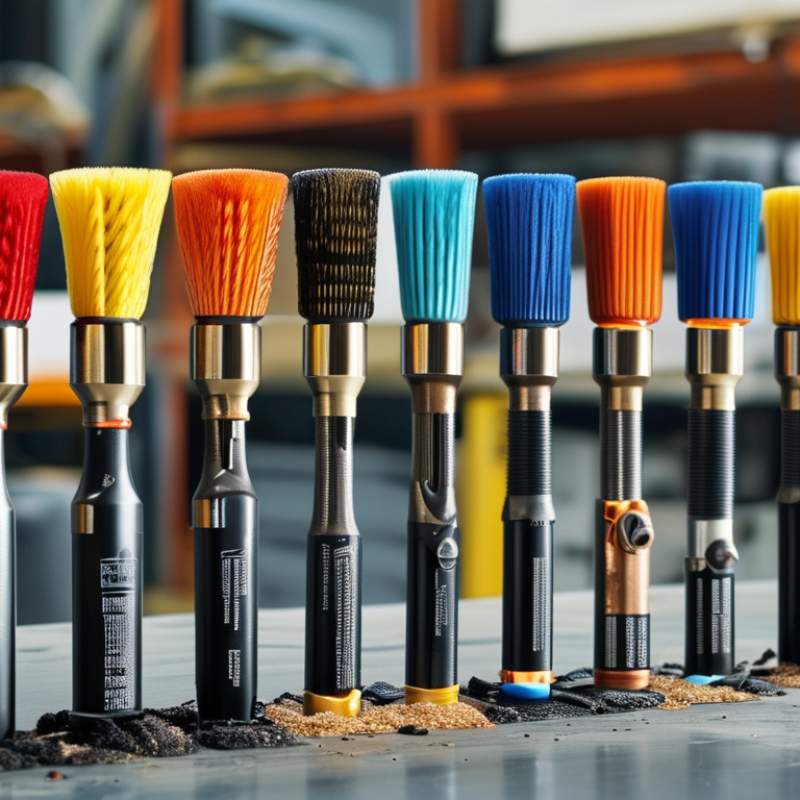
Types of Tube Brushes: An Overview of Industrial Applications
In the industrial sector, tube brushes play a crucial role in maintaining equipment and ensuring operational efficiency. These brushes come in various types, each tailored for specific applications. Some brushes are designed for cleaning narrow tubes, while others excel in removing debris from larger pipes. Understanding the diverse types of tube brushes can enhance your maintenance routines.
One commonly used type is the twisted wire brush. It is effective for cleaning and deburring metal surfaces. Another important type is the nylon bristle brush, which is softer and ideal for delicate applications, providing a thorough clean without scratching surfaces. Some brushes have abrasive materials integrated, making them suitable for removing rust or tough build-up.
It is essential to consider the specific requirements of your tasks. Not every brush is perfect for every job. Finding the right tube brush often involves trial and error. Users may notice varying results based on their cleaning methods and materials. Recognizing these imperfections can lead to better decisions in selecting the appropriate brush for industrial needs.
Top 10 Tube Brush Types for Your Industrial Needs
Choosing the Right Material for Tube Brushes in Industrial Settings
Choosing the right material for tube brushes is crucial in industrial applications. Different materials offer unique benefits suited for specific tasks. For instance, nylon bristles are ideal for cleaning delicate surfaces without scratching. They resist chemicals and heat, making them popular in automotive and food processing industries. According to a recent industry report, over 50% of manufacturers prefer nylon for its durability and versatility.
Metal bristles, on the other hand, excel in heavy-duty applications. They effectively remove rust, paint, and stubborn debris. Stainless steel is a common choice due to its strength and corrosion resistance. In a survey, 35% of industrial cleaning companies highlighted stainless steel’s effectiveness in harsher environments. However, it may not be suitable for fragile materials.
Beyond material selection, brush size also matters. A smaller brush can access tight spaces, while larger brushes cover more area quickly. Yet, users often overlook the balance between size and application. An inappropriate size can hinder cleaning efficiency. This inconsistency may lead to increased downtime, which is costly. Evaluating material properties, brush dimensions, and specific cleaning requirements is essential for optimal performance.
Comparative Analysis of Different Tube Brush Shapes and Designs
When choosing tube brushes for industrial applications, understanding the shape and design can significantly impact effectiveness. Tube brushes vary widely, from cylindrical to conical shapes. Each design serves specific cleaning tasks. For instance, cylindrical brushes are ideal for straight tubes, while conical brushes can reach tight corners or angles.
A recent industry report highlights that custom brush shapes improve cleaning efficiency by up to 30%. Moreover, stiffness levels vary, allowing users to select the best brush for their cleaning material. Softer bristles may work well for fragile surfaces, while stiffer options provide aggressive scrubbing for heavy deposits.
Considering the right diameter is crucial. A snug fit ensures effective cleaning, reducing the risk of damaging tube walls. When choosing a brush, think about bristle length too. Longer bristles can reach deeper into tubes, but they may also bend, losing scrubbing power.
Tips for selection include examining the specific cleaning needs of your operation. Be mindful of the materials being cleaned and the desired outcomes. Exploring various brush designs can reveal surprising efficiencies. Always test before making larger orders to avoid costly mistakes. Remember, the right tube brush can make a significant difference in operational efficiency.
Top 10 Tube Brush Types for Your Industrial Needs
| Tube Brush Type |
Bristle Material |
Diameter (inches) |
Length (inches) |
Use Case |
| Standard Tube Brush |
Nylon |
0.5 |
12 |
General Cleaning |
| Twisted-in-Wire Brush |
Steel |
1.0 |
10 |
Heavy Duty Cleaning |
| Spiral Brush |
Polypropylene |
0.75 |
14 |
Industrial Components |
| End Brush |
Brass |
0.6 |
7 |
Precision Cleaning |
| Tube Cleaner Brush |
Nylon |
0.8 |
20 |
HVAC Applications |
| Cotton Tube Brush |
Cotton |
0.4 |
15 |
Food Industry |
| Chemical Resistant Brush |
Polyester |
1.0 |
18 |
Chemical Processes |
| Flexible Tube Brush |
Nylon with Wire |
0.5 |
25 |
Curved Surfaces |
| Squeegee Brush |
Rubber |
0.9 |
10 |
Fluid Control |
| Bowl Brush |
Nylon |
1.2 |
30 |
Drainage Systems |
Maintenance Tips for Enhancing Tube Brush Longevity
To enhance the longevity of tube brushes, regular maintenance is essential. Start by inspecting the brushes for wear and tear after each use. Look for frayed bristles or worn-out handles, as these are signs that replacement may be necessary. Cleaning them after use can significantly extend their life. Rinse the brushes in warm water to remove debris. For tougher residues, a gentle brush cleaner can help. However, avoid aggressive scrubbing; it can damage the bristles.
Storing tube brushes properly is crucial for their durability. Keep them in a dry, clean environment to prevent rust or mold growth. Avoid high-humidity areas, as moisture can deteriorate the materials over time. Additionally, storing brushes upright prevents bending of bristles. Check periodically for any signs of damage even during storage. Small investments in care and attention can yield significant returns in the lifespan of your brushes. Recognizing when to retire a worn brush is part of responsible maintenance. This ensures that you always have optimal tools ready for your industrial needs.
Innovative Tube Brush Technologies and Their Benefits
In the world of industrial maintenance, tube brushes have evolved significantly. New technologies enhance cleaning efficiency and durability. For example, nylon bristles infused with diamond particles provide better abrasion resistance. This ensures thorough cleaning without the risk of damage to delicate surfaces. Such advancements allow teams to tackle tough residue effectively, maintaining equipment performance.
Modern tube brushes also feature ergonomic handles and customizable lengths. This adaptability improves user comfort and accessibility in various settings. Additionally, innovations like flexible wire designs enable cleaning of curved or complex tubes. While these advancements are impressive, some users may find the options overwhelming, which necessitates careful selection based on specific needs.
Investing in the right type of tube brush is crucial. However, gaps in knowledge about proper maintenance can hinder performance. Routine inspections and understanding wear patterns are essential. Often, users overlook the importance of regular cleaning and brush replacement. This can lead to subpar results over time. Balancing efficiency with proper care reveals the value of innovative tube brush technologies.