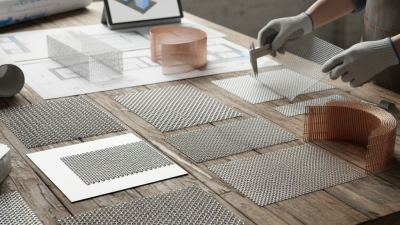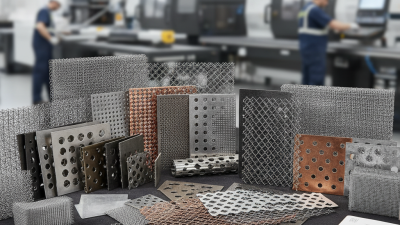
A metal mesh screen is more than a sheet of interwoven wire. It is a practical control surface used to separate, protect, filter, reinforce, or ventilate. Openings may be smaller than a grain of sand or wide enough for airflow around industrial equipment. The correct choice depends on wire diameter, aperture size, alloy, surface treatment, and operating temperature. Small details matter.
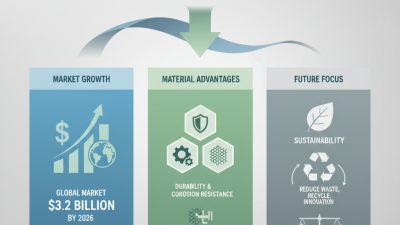
Industry demand reflects this broad role. Fortune Business Insights reports that the global wire mesh market was valued at approximately USD 6.11 billion in 2023 and projects continued growth through 2032. Grand View Research also identifies construction, automotive, filtration, and industrial applications as important demand areas for metal mesh products. These findings show why manufacturers specify stainless steel, galvanized steel, aluminum, or nickel alloys for different environments. However, market figures vary between reports, because researchers define “wire mesh” differently. That limitation deserves attention.
In buildings, metal mesh screen can cover vents, guard machinery, prevent debris entry, or form durable partitions. In factories, it supports screening, sizing, drying, and particle separation. Stainless steel mesh is common in food processing and laboratory filtration because it offers corrosion resistance and cleanable surfaces. Architectural projects may use expanded or woven mesh for façades, sun control, and visual privacy. A screen beside a hot furnace needs different performance from one protecting a household vent. Engineers therefore compare load, pressure drop, mesh opening, chemical exposure, and cleaning requirements before approval. ASTM and ISO test methods can improve consistency, but installation quality still affects real performance. This article examines the main uses of metal mesh screen and the practical factors behind reliable selection.
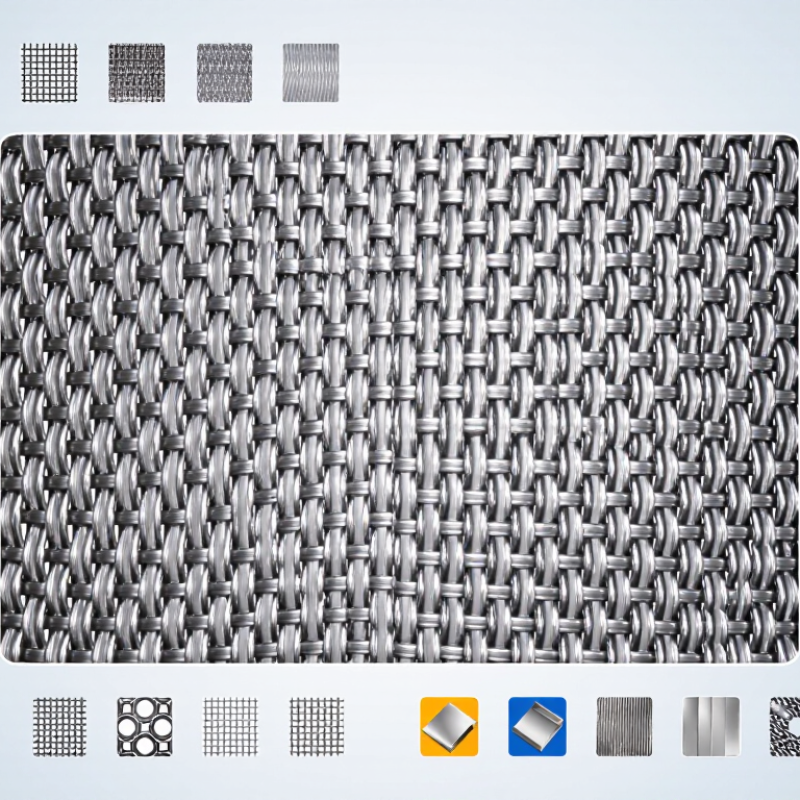
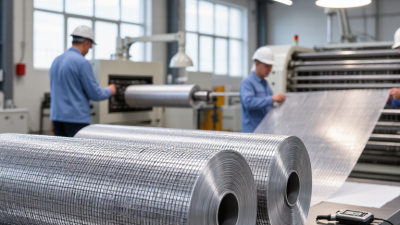
A metal mesh screen is an open structure made from metal wires or narrow strips joined in a repeating pattern. The strands may be woven over and under each other, welded at intersections, or expanded from a sheet. The open spaces are called apertures. Their size, together with wire thickness, affects what can pass through and how sturdy the screen feels.
It is not solid. Metal mesh screens are used to sift particles, protect openings, support materials, or let air and light pass while limiting larger objects. A coarse screen might cover a ventilation opening; a finer one can separate grains or filter debris from liquid. Not every mesh suits fine filtration. Small openings can clog, and thin wire may deform under pressure. Material matters, too: stainless steel resists many corrosive environments, while aluminum is lighter but may not suit every load or chemical exposure. Fit matters, too. A useful choice starts with the opening size, operating conditions, and cleaning method. These details are easy to overlook. In practice, the right mesh is often a compromise between flow, strength, and maintenance, not a perfect barrier.
Metal mesh screens are used to separate particles, filter materials, keep insects out, and create architectural or protective panels. The chart shows representative opening-size ranges; actual specifications vary by application and product.
A metal mesh screen may be woven, welded, expanded, or perforated, and each method creates a different structure. Woven screens use crossing wires, much like a compact fabric. In a plain weave, each wire passes over and under its neighbors. Welded mesh joins wires at their intersections, creating a more rigid grid. Expanded metal starts as a solid sheet, which is slit and stretched into diamond-shaped openings. Perforated screens are punched with repeated holes.
Details matter. A screen is commonly classified by its opening size, wire diameter, material, and construction. Mesh count describes the number of openings in a measured span, but it does not tell the whole story. A thicker wire can make openings smaller even when the count stays the same. Stainless steel, aluminum, and galvanized steel each suit different conditions, including moisture, weight, and wear.
Classification should match the job, not just a catalog label. A fine woven mesh can catch small particles, but may restrict airflow and clog sooner. A heavy welded panel feels sturdy in the hand, yet its larger openings may not provide close screening. Even “standard” mesh can vary by supplier and measurement method. Checking a sample against the required opening size is a practical safeguard.
What Is a Metal Mesh Screen Used For?
Key Functions of Metal Mesh Screens
Metal mesh screens separate materials by size, protect equipment, and control the passage of air or liquid. Their woven or welded openings let smaller particles pass while retaining larger ones. In a quarry, a vibrating screen can sort crushed stone into usable grades. The USGS Mineral Commodity Summaries 2024 estimated U.S. crushed-stone output at about 1.5 billion tons in 2023. That figure shows the scale of material processing where screening plays a practical role; it does not measure screen performance.
Screens also act as guards over vents, pumps, and machine inlets, catching debris before it causes damage. In filtration, the opening size and wire thickness affect flow and particle retention. A finer mesh can capture smaller particles, but it may clog sooner. That trade-off is easy to underestimate. Mesh can also provide a durable barrier while allowing visibility and airflow, such as around a ventilation opening or protective enclosure.
Tips: Choose mesh by the particle size, operating temperature, and exposure to moisture. Check the screen under real working conditions; a sample test can reveal clogging or wear that specifications miss. No mesh suits every job.
| Application | Key Function | Typical Mesh Opening or Spacing | Common Materials | Examples and Selection Notes |
|---|---|---|---|---|
| Particle screening and sieving | Separates solids by particle size while allowing smaller particles to pass through. | Approximately 0.5–50 mm, depending on the material and screening process. | Carbon steel, stainless steel, or wear-resistant steel | Used for aggregates, minerals, and other bulk materials. Opening size, wire strength, and resistance to abrasion affect performance. |
| Liquid and air filtration | Retains particles or debris while allowing fluid or air to flow through. | From tens of micrometres to several millimetres; fine filtration requires a specified aperture or micron rating. | Stainless steel, nickel alloys, or other corrosion-resistant metals | Found in strainers, filter elements, and intake screens. The required opening and mesh construction depend on the contaminant and operating conditions. |
| Machine and equipment guarding | Creates a physical barrier while maintaining visibility and airflow. | Often approximately 5–25 mm, subject to the equipment and applicable safety requirements. | Welded carbon steel, galvanized steel, or stainless steel | Used for machinery enclosures, fan guards, and protective panels. Mesh dimensions alone do not determine whether a guard meets safety requirements. |
| Insect and pest screening | Restricts insects and some debris while permitting ventilation. | Commonly about 0.8–2 mm openings, with the required size depending on the pest being excluded. | Aluminum, stainless steel, or coated steel | Used in window, door, and ventilation screens. Smaller openings can reduce airflow, so opening size should suit the intended use. |
| Ventilation and air intake protection | Allows air movement while helping keep out leaves, animals, and larger debris. | Typically several millimetres to a few centimetres, depending on airflow and exclusion needs. | Aluminum, galvanized steel, or stainless steel | Used over vents and air intakes. Outdoor installations often need materials or finishes suited to moisture and corrosion exposure. |
| Concrete and masonry reinforcement | Helps distribute tensile stresses and control cracking within concrete or mortar assemblies. | Often specified by wire diameter and grid spacing; welded reinforcement grids commonly use spacing from about 50–200 mm. | Welded carbon steel, galvanized steel, or stainless steel | Used in slabs and other reinforced assemblies. The appropriate reinforcement must be determined from project design requirements and applicable codes. |
| Architectural and decorative screening | Provides partial privacy, light control, airflow, and visual texture. | Varies widely, commonly from a few millimetres to several centimetres. | Stainless steel, aluminum, or coated steel | Used for facades, partitions, balustrade infill, and sun screens. Pattern, strength, finish, and open area influence appearance and performance. |
Note: Dimensions shown are typical examples, not universal specifications. Actual mesh openings, wire diameters, materials, and safety requirements should be selected for the application.
Metal mesh screens serve many roles in factories and workshops. In aggregate processing, sturdy woven mesh separates gravel by size as material moves across vibrating decks. Food producers may use fine stainless-steel screens to strain liquids or sort dry ingredients. Mesh also protects ventilation openings from larger debris while allowing air to pass. In equipment enclosures, perforated or woven panels can help guard moving parts without completely blocking visibility. The right opening size matters. Too wide, and unwanted particles pass through; too fine, and the screen may clog or slow production.
At home, metal mesh is familiar in window screens, sink strainers, and barbecue baskets. A window screen lets in a breeze while keeping many insects outside. A small sink insert catches scraps before they reach the drain. On a grill, a mesh basket holds chopped vegetables that might otherwise fall between the bars. These uses seem simple, but details count: wire thickness, opening size, and resistance to moisture affect how long a screen performs well. A mesh that works for dry leaves may fail with fine dust. That distinction is easy to miss. Inspecting for bent wires or rust can also reveal when a screen needs cleaning or replacement.
Metal mesh screens separate particles, protect equipment, and support airflow or drainage. Choosing one starts with the job: a filter handling fine powder needs smaller openings than a guard covering a ventilation fan. ASTM E11 lists nominal sieve openings of 850 micrometres for No. 20 mesh and 150 micrometres for No. 100. These figures offer a useful sizing reference, but actual screen performance also depends on wire diameter and weave.
Check the material against the working environment. Stainless steel often suits damp or corrosive settings; carbon steel may fit dry, less demanding applications. Compare the mesh’s open area, strength, and expected cleaning method. A denser screen can capture finer particles, but it may restrict flow and clog sooner. Measure the opening you need, not just the mesh count: suppliers may describe mesh differently, and wire thickness changes the clear aperture. The right choice is rarely perfect on paper; testing a sample under real operating conditions can reveal issues a specification misses.
Tips: Confirm the largest particle you must retain, then check the opening size and wire diameter. Ask for aperture tolerances and material details. ASTM E11 is a sieve specification, not a guarantee that an industrial screen will perform identically.