A metal brush is a practical tool for removing rust, paint residue, scale, burrs, and loose corrosion. It can also prepare steel before welding, coating, or repair. The right brush makes a rough surface cleaner and easier to inspect. The wrong one may scratch delicate material or leave unwanted metal particles behind.
Industrial brush engineer Sarah Mitchell explains, “A metal brush works best when its wire, shape, and pressure match the surface.” Her point is simple but often ignored. Steel wire suits tough iron and carbon steel. Stainless steel helps reduce contamination on stainless surfaces. Brass wire offers gentler cleaning for softer metals. Cup brushes cover broad areas, while hand brushes reach narrow edges and corners.
Use controlled pressure. Let the bristles do the cutting. Excessive force can bend wires, overheat the workpiece, or create an uneven finish. Wear eye protection and suitable gloves, especially when broken bristles may fly. A brush is not a universal solution. It cannot replace proper grinding, chemical cleaning, or professional surface preparation in every situation.
Small details matter. A rusty hinge may need only a hand brush and light oil. A weld joint may require a narrow brush for slag removal. Results also depend on wire diameter, rotation speed, and surface hardness. It is easy to assume that a harder brush cleans better. That assumption deserves reconsideration. Clean does not always mean undamaged.
What Is a Metal Brush Used For?
Definition and Basic Structure of a Metal Brush
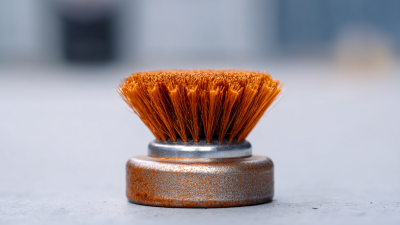
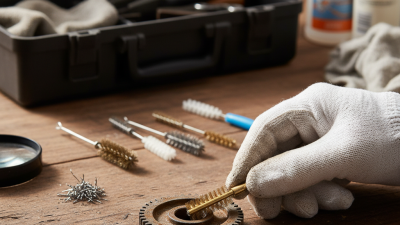
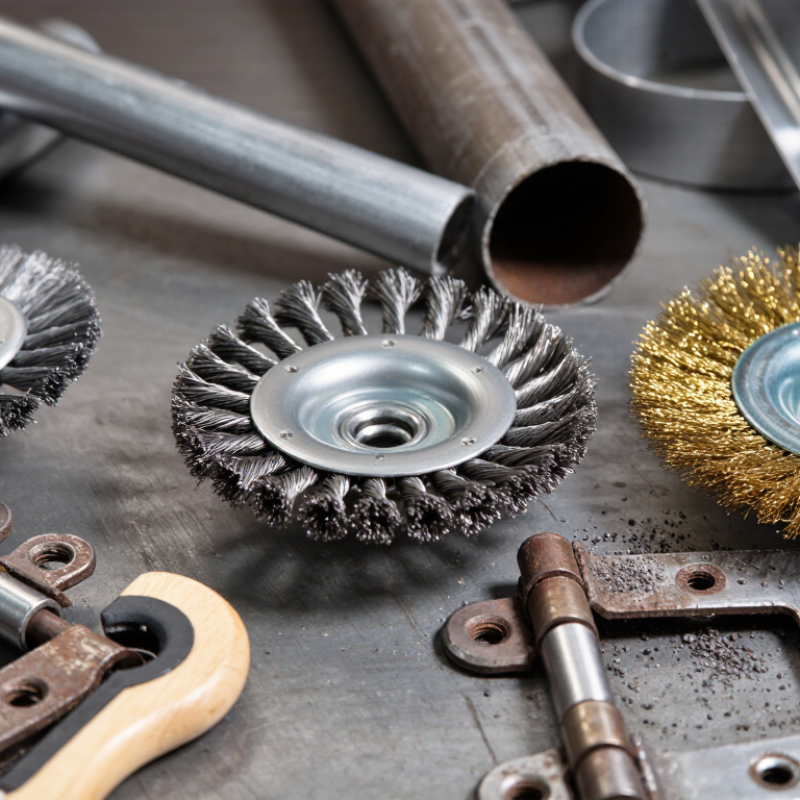
A metal brush is a hand or machine tool with rigid metal filaments fixed to a support body. It removes rust, paint residue, scale, burrs, and loose material from surfaces. Its structure is simple, but each part affects performance. The bristles may use carbon steel, stainless steel, or brass. A block, handle, cup, wheel, or strip holds them in place. Twisted-wire and crimped-wire designs are common. Twisted wires cut more aggressively, while crimped wires offer a softer brushing action. Some brushes include a shank or arbor for attachment to powered equipment.
Industry data shows steady demand for these tools. Recent market reports from Grand View Research and IMARC Group estimate the global wire brush market at roughly USD 1.4–1.8 billion in 2023. Both reports forecast mid-single-digit annual growth in the coming years. Their figures differ because product categories and regional coverage are not identical. That difference matters when reading market statistics.
In practical use, brush selection depends on the surface, contamination, and required finish. Stainless bristles suit corrosion-sensitive work, while carbon steel often provides stronger cutting action. Brass is gentler on softer materials. Diameter also changes the result: thicker wires remove deposits faster but can leave deeper marks. During workshop testing, I have found that excessive pressure shortens brush life and may distort the surface. That lesson is easy to miss. Safety guidance in ANSI B165.1 also supports matching brush speed, guarding, and protective equipment to the tool and operation.
A metal brush removes rust, paint, scale, burrs, dirt, and weld residue from metal surfaces. Brush performance depends largely on wire diameter: finer wires are suited to light cleaning and deburring, while thicker wires provide more aggressive surface preparation.
Basic structure: A metal brush consists of metal wire filaments secured in a backing, block, cup, wheel, or twisted-wire stem. The wire material and shape provide the cutting action, while the handle or mounting base transfers force to the work surface.
A metal brush removes rust, paint residue, weld spatter, dirt, and loose scale from hard surfaces. Its performance depends heavily on the bristle material. Carbon steel bristles are firm and aggressive. They suit unfinished steel, cast iron, and heavy rust removal. However, they can leave scratches or small steel particles behind. That detail is easy to overlook.
Stainless steel bristles resist corrosion and work well on stainless steel, aluminum, and damp environments. They help prevent ordinary steel contamination on stainless surfaces.
Brass bristles are softer and reduce scratching on softer metals, wood, and delicate fittings. Bronze offers similar gentleness, but it can provide a slightly different balance of strength and flexibility. Always test a hidden area first.
Bristle shape also changes the result. Straight bristles provide concentrated scraping power. Crimped bristles flex more easily and cover uneven surfaces with less pressure. Knotted wire bristles are highly aggressive, making them useful for thick scale and stubborn deposits. They can remove material too quickly, though. A lighter brush may be safer than a stronger one.
Choose the narrowest brush that reaches the work area comfortably. Match the wire hardness to the surface, not just the dirt. Wear eye protection, gloves, and suitable work clothing during use. Inspect the brush before and after cleaning. Loose wires can become a practical hazard. In real workshop conditions, selecting the strongest brush often seems efficient, but it may damage the surface and create extra repair work.
Main Uses in Cleaning, Deburring, and Surface Preparation
A metal brush removes rust, scale, dirt, and loose coatings from durable surfaces. In cleaning work, its stiff bristles reach grooves, welds, and textured metal. On steel, firm strokes can expose a cleaner surface quickly. A few passes often remove flaky rust. For greasy residue, brushing alone is not enough. Use a suitable cleaner before scrubbing, then wipe away particles with a dry cloth. Always wear eye protection because small wires or rust flakes can travel unexpectedly.
Metal brushes are also useful for deburring freshly cut metal. After sawing, drilling, or machining, sharp edges may remain around holes and corners. A hand brush can loosen tiny burrs without removing much material. Move it along the edge with controlled pressure. Too much force can round the corner or scratch the workpiece. I once brushed too aggressively near a drilled hole, and the edge looked uneven. That mistake showed me why checking the surface after every few strokes matters.
For surface preparation, brushing creates a rougher, cleaner texture before painting, sealing, or welding. It can improve contact by removing oxidation and loose particles. Use short strokes and keep the brush moving. Different metals need different care. Carbon-steel bristles may leave residue on stainless steel or aluminum, so choose compatible bristles and test a hidden area. Clean the prepared surface afterward. A bright finish is not always a properly prepared finish.
Choosing the right metal brush begins with the surface, not the tool. Carbon-steel brushes remove rust, paint, weld spatter, and heavy scale from steel. Stainless-steel brushes resist corrosion and help prevent carbon contamination on stainless surfaces. Brass or nylon brushes suit softer metals, coated parts, and light cleaning. Nylon abrasive filaments are useful where scratches would create costly rework.
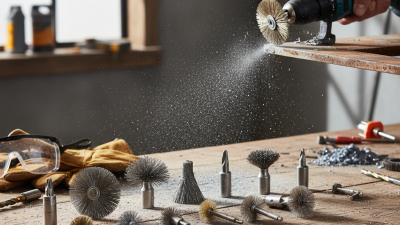
Brush shape matters too. Cup brushes cover broad, flat areas, while wheel brushes reach edges, grooves, and weld seams. Crimped wire offers flexibility and controlled cleaning. Knotted wire cuts more aggressively but can mark thin material. Always match the brush diameter and rated speed to the machine. The U.S. Occupational Safety and Health Administration reports about 2,000 workplace eye injuries daily, so face protection is not optional. Gloves, hearing protection, and a secure workpiece also matter.
Tips: Test a small hidden area first. Use light pressure and let the brush do the work. Inspect wires before every use; loose strands can become dangerous projectiles. According to the National Institute for Occupational Safety and Health, controlling hazards at the source is more effective than relying only on personal protection. That principle applies here. I sometimes see operators choose the most aggressive brush first. It feels efficient, but it may remove sound material or damage a finished surface. The better choice is often slower, softer, and more precise. Sources: OSHA, Eye and Face Protection; NIOSH, Hierarchy of Controls.
| Brush Type | Typical Uses | Suitable Materials or Surfaces | Recommended Wire or Filament | Surface Effect | Selection Guidance | Important Safety Considerations |
|---|---|---|---|---|---|---|
| Carbon Steel Wire Brush | Removing rust, scale, paint residue, weld spatter, and hardened dirt. | Carbon steel, cast iron, uncoated steel, and other durable ferrous metals. | Choose medium or coarse wire for heavy deposits; use finer wire for lighter cleaning. | Aggressive cleaning; may leave visible scratch marks. | Select a crimped wire brush for more flexibility or a knotted wire brush for heavier removal. | Wear eye protection, gloves, and protective clothing. Do not use on surfaces that must remain corrosion-resistant. |
| Stainless Steel Wire Brush | Cleaning, deburring, and preparing stainless steel and other corrosion-resistant alloys. | Stainless steel, aluminum alloys, and surfaces where iron contamination should be avoided. | Fine to medium stainless steel wire, depending on the required cleaning force. | Cleans without intentionally depositing ordinary carbon-steel particles. | Use a dedicated brush that has not previously been used on carbon steel. | Use eye protection and gloves. Avoid cross-contamination by storing it separately from carbon-steel brushes. |
| Brass Wire Brush | Light cleaning, polishing, and removal of loose oxidation or dirt. | Copper, brass, soft aluminum, wood, and other relatively delicate surfaces. | Fine or medium brass wire for controlled, low-abrasion work. | Gentler than steel wire; generally produces less aggressive scratching. | Choose brass when the workpiece is softer than steel or has a decorative finish. | Test first on an inconspicuous area because even soft wire can change a polished or coated finish. |
| Crimped Wire Brush | General surface cleaning, rust removal, paint preparation, and light deburring. | Flat, curved, or irregular metal surfaces. | Wire diameter selected according to the required balance of flexibility and strength. | Flexible brushing action with moderate cutting ability. | A good general-purpose option when the surface is uneven or the finish must be controlled. | Use only at the rated speed when fitted to a power tool; inspect for broken or loose wires. |
| Knotted Wire Brush | Heavy rust removal, weld cleaning, scale removal, and preparation of rough steel. | Heavy-duty steel parts, welds, structural metal, and heavily contaminated surfaces. | Thicker carbon-steel or stainless-steel wire for high impact and durability. | More aggressive cutting action and greater material removal than crimped wire. | Use for tough deposits rather than delicate, polished, or thin-gauge surfaces. | Secure the workpiece, use a guard on power tools, and keep bystanders away from the brushing area. |
| End Brush | Cleaning holes, grooves, corners, weld joints, and other confined areas. | Metal components with narrow recesses or hard-to-reach internal edges. | Fine wire for detail work; thicker wire for heavier deposits. | Localized cleaning with limited contact area. | Match the brush diameter to the opening while allowing enough clearance for safe rotation. | Do not force the brush into a narrow opening. Follow the tool’s rotation and speed requirements. |
| Wheel Brush | Cleaning long edges, weld seams, tubing, rails, and broad linear areas. | Steel fabrication, metal preparation, and production-line cleaning tasks. | Wire type and diameter chosen according to material hardness and deposit thickness. | Fast, directional cleaning over narrow or extended surfaces. | Select the correct wheel diameter, arbor size, and maximum operating speed for the tool. | Use a compatible guard and maintain a stable grip. Never exceed the marked maximum speed. |
| Hand Scratch Brush | Manual cleaning, maintenance, rust removal, and preparation before coating or welding. | General metal surfaces, tools, grilles, outdoor equipment, and small workpieces. | Choose carbon steel for tough steel surfaces, stainless steel for contamination-sensitive work, or brass for softer materials. | Controlled abrasion with no power-tool rotation. | Best for short jobs, delicate control, and areas where power tools are unsuitable. | Wear gloves and eye protection, especially when brushing brittle scale or corroded metal. |
| Tube or Pipe Brush | Cleaning the inside of pipes, fittings, holes, cylinders, and tubes. | Metal tubing, threaded fittings, drilled holes, and internal channels. | Select bristle material and diameter based on the internal surface and deposit type. | Internal cleaning and light deburring along cylindrical surfaces. | The brush should contact the wall without being tightly compressed or difficult to remove. | Check that the handle or stem is long enough for the application and remove loose wires after use. |
What Is a Metal Brush Used For?
A metal brush removes rust, loose paint, welding residue, and stubborn grime from hard surfaces. It can clean steel tools, prepare metal before coating, and clear debris from joints or threads. Choose the bristle material carefully. Carbon-steel bristles suit unfinished steel, while stainless-steel bristles help reduce unwanted contamination on stainless surfaces. A brush is not automatically safe for every material.
Wear safety glasses, cut-resistant gloves, and suitable work clothing. Loose bristles and sharp particles can fly during vigorous brushing. Work in a ventilated area, especially when removing old coatings or fine dust. Keep the brush away from open flames and nearby electrical power. Inspect it closely. Bent, loose, or heavily worn wires can break during use. Hold the handle firmly, and brush with controlled strokes instead of excessive force.
I used to press harder when rust resisted. That usually shortened the brush’s life and damaged the surface. Gentle, repeated passes often work better. After use, remove trapped debris with a stiff plastic comb or brush. Do not blow particles toward your face. Wipe the tool dry, then store it in a clean, dry place. Moisture encourages corrosion, even on some stainless components. Replace the brush when its wires become uneven, loose, or dangerously sharp. A quick inspection before each task may feel unnecessary, but it prevents careless mistakes.