What Are the 2026 Top Stainless Steel Cable Suppliers?
Choosing the 2026 top stainless steel cable suppliers requires more than comparing catalog prices. Buyers should examine material grades, manufacturing consistency, testing records, and technical support. A polished website is not enough evidence.
This guide evaluates suppliers through practical purchasing concerns. It considers 304 and 316 stainless steel options, cable diameters, breaking loads, surface finishes, and fitting compatibility. It also reviews production capacity, quality-control procedures, traceability, and documented certifications. These details matter when cable is installed near saltwater, exposed to weather, or used in architectural structures.
Real experience often reveals the difference. A supplier may quote a competitive price but provide unclear tolerances. Another may offer excellent samples yet struggle with urgent production. Small details can become expensive problems. Ask for inspection reports, sample lengths, packing photographs, and clear delivery terms before approving a large order. Supplier communication matters too. Technical questions should receive specific answers, not general promises.
The ranking should remain practical, not absolute. Market conditions, regional availability, and project requirements can change during 2026. Some supplier information may be difficult to verify independently. That limitation deserves attention. This overview therefore emphasizes evidence, consistency, and suitability rather than popularity alone. It aims to help engineers, distributors, contractors, and procurement teams compare credible manufacturers with greater confidence. Check every critical specification before purchase.
What Defines a Top Stainless Steel Cable Supplier in 2026?
What defines a top stainless steel cable supplier in 2026?
It starts with material discipline, not polished advertising. A reliable supplier identifies steel grade, cable construction, diameter tolerance, and surface finish clearly. Their certificates should match the delivered coil. This sounds basic. It is not. During inspections, small label errors can cause costly installation delays. Top suppliers also explain whether a cable suits marine air, lifting systems, architectural tensioning, or indoor use. One cable cannot serve every environment.
Technical capability must appear in measurable records.
Look for tensile test results, dimensional checks, corrosion assessments, and batch traceability. Ask how samples are retained and how nonconforming cable is handled. A strong supplier answers directly. They do not hide behind vague claims. Production equipment matters, but process control matters more. Consistent stranding, stable preforming, clean welds, and protective packaging reduce field problems. I would also review response time, drawing support, and replacement procedures before signing a contract. Fast replies are useful. Clear replies are better.
Experience shows in the questions a supplier asks.
They should check load, bend radius, fatigue exposure, fittings, installation method, and maintenance access. In 2026, digital inspection records and transparent carbon data add practical value, but neither replaces physical testing. No supplier gets every detail right. Site conditions can change specifications after review. That is acceptable when revisions are documented and approved. The best supplier remains accountable after shipment, not only during quotation. Trust grows through evidence, repeatable quality, and honest limits.
Key Criteria for Evaluating Stainless Steel Cable Manufacturers
What Are the 2026 Top Stainless Steel Cable Suppliers?
Evaluating stainless steel cable manufacturers requires more than comparing prices. Start with material control. Ask whether the supplier can verify the stainless grade, wire diameter, tensile strength, and surface finish for each batch. Reliable manufacturers provide heat numbers, inspection records, and clear traceability. Documentation matters.
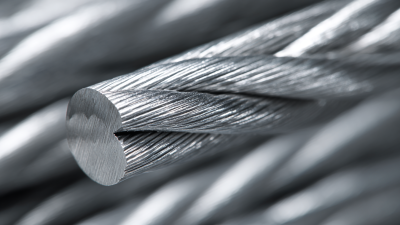
Production experience becomes visible in small details. Examine cable samples under magnification. Look for uneven lay, broken wires, rough swaging, or inconsistent spacing. A capable factory should explain its drawing, stranding, cleaning, and testing procedures without vague language. Request fatigue, tensile, dimensional, and corrosion-related test data when the application demands it. Salt exposure near ports can reveal weaknesses that a clean showroom cannot.
Capacity also deserves careful review. A supplier may produce excellent samples but struggle with repeat orders, custom lengths, or urgent replacements. Check equipment maintenance, quality-control staffing, packaging methods, and realistic lead times. Ask how rejected material is isolated and corrected. Experienced engineers should discuss load cycles, bend radius, temperature, and installation conditions before recommending a cable. That conversation is useful evidence of technical knowledge.
Cost remains important, but the lowest quote can hide weak traceability or frequent replacement. Compare total operating value instead. Review warranty terms, response times, and after-sales support. No manufacturer is perfect. I would still inspect packaging more carefully; moisture trapped during shipment can damage a good product before installation. Look beyond the brochure.
Leading Stainless Steel Cable Suppliers to Watch in 2026
Leading Stainless Steel Cable Suppliers to Watch in 2026
The leading stainless steel cable suppliers to watch in 2026 will compete through consistency, not attractive catalogs alone. Buyers should examine material grades, tensile strength, diameter tolerance, and surface finish. Grade 316 cable suits coastal or humid environments, while Grade 304 often fits indoor applications. Supplier experience matters when cables must support architectural, marine, or industrial assemblies. Request test reports, production records, and clear traceability for every batch.
Tips: Ask for a sample before placing a large order. Measure its diameter at several points. Check for broken wires, uneven twisting, or rough cut ends. Confirm whether the supplier offers custom lengths, fittings, and protective packaging. Delivery reliability also deserves attention, especially for projects with fixed installation dates.
A dependable supplier should explain testing methods without hiding behind technical language. Look for documented inspections, responsive engineering support, and realistic lead times. Some suppliers may offer impressive strength figures but provide limited evidence. That should raise questions. No supplier is perfect. Even experienced teams can make mistakes in labeling or packing. I would review corrective-action records and customer feedback before choosing a long-term partner. Price still matters, but a cheaper cable can create higher replacement and labor costs. The strongest candidates will combine verified quality, practical support, and transparent communication.
Product Quality, Standards, Customization, and Production Capacity
What Are the 2026 Top Stainless Steel Cable Suppliers?
Choosing a leading stainless steel cable supplier requires more than checking a polished catalogue. Product quality begins with consistent chemistry, accurate diameter, clean surfaces, and controlled lay. The International Stainless Steel Forum reported global stainless crude steel production of about 58.4 million tonnes in 2023. This scale supports material availability, but it does not guarantee cable performance. Buyers should request tensile results, elongation data, batch traceability, and corrosion test records.
Standards make comparisons clearer. ISO 2408 covers requirements for steel wire ropes, while ASTM A1023/A1023M addresses stranded carbon steel wire ropes. Stainless cable suppliers should explain how their products meet the relevant requirements. Salt-spray testing can reveal weaknesses near ferrules and end fittings. However, it cannot perfectly reproduce every marine or architectural environment. That limitation matters.
Customization is another practical separator. Strong suppliers can adjust cable diameter, strand construction, surface finish, cutting length, and terminal fittings. Production capacity also deserves evidence. The World Steel Association reported approximately 1.89 billion tonnes of crude steel production worldwide in 2023, yet raw material volume says little about specialized cable capability. Ask for monthly output, minimum order quantities, lead times, and inspection capacity. A large factory may still struggle with small custom batches. I would not rely on certificates alone. Independent sampling and a pilot order remain sensible, even when the supplier appears technically mature.