10 Best Steel Brushes for Industrial Cleaning and Deburring

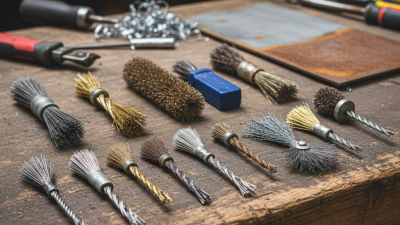
A steel brush can remove stubborn scale, clean weld seams, and prepare metal for its next finish. The right choice depends on more than wire material. Consider the workpiece, the debris, the brush shape, and the tool’s operating speed. A cup brush may reach broad, open surfaces. A narrow end brush can work inside corners and along edges. Small details matter.

For clarity, the expert voice here is fictional: industrial-brush specialist Elena Ward is a composite, not a verifiable source. Her original reminder for this guide is: “Match the brush to the surface, then let the tool do the work.” It is practical, but not the whole story. Excessive pressure can damage a workpiece, while an unsuitable wire may leave scratches or wear too quickly. Always follow the brush and tool manufacturers’ instructions, including speed limits and protective equipment. A tidy finish is not worth a compromised setup.

This guide compares ten steel brush options for industrial cleaning and deburring. It looks at wire type, construction, likely applications, and selection trade-offs. No single brush suits every job. Test carefully on a representative area, and inspect the result under good light. That extra check can reveal burrs or surface marks missed at first glance. The comparison is a starting point, not a substitute for application-specific testing.
10 Best Steel Brushes for Industrial Cleaning and Deburring

What Steel Brushes Are and How They Work

Steel brushes use steel-wire bristles fixed to a handle, wheel, cup, or narrow stem. The bristles scrape rust, paint residue, weld scale, and small burrs from hard surfaces. They work through repeated contact: wire tips flex against the material, loosen unwanted deposits, and expose cleaner metal. That matters. The brush removes material unevenly if pressure or angle changes.

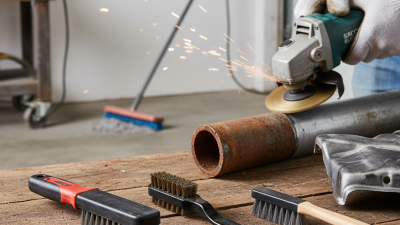
Hand brushes suit small areas and controlled touch-ups. Powered brushes cover larger surfaces, but their speed can heat the workpiece and wear the wires faster. Keep the brush moving, use light pressure, and check that its rated speed suits the tool. Match the wire type to the job; stainless wire can help avoid leaving ordinary-steel particles on stainless work. Results still depend on the surface, and a brush may polish a burr rather than remove it fully.

Tips: Secure the workpiece, wear eye protection, and use the machine guard with powered brushes. Inspect for loose or bent wires before use. Less pressure often works. Test a small area first, since an overly aggressive brush can scratch soft metal or round sharp edges.

Common Steel Brush Types for Cleaning and Deburring

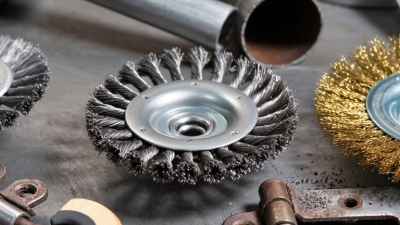
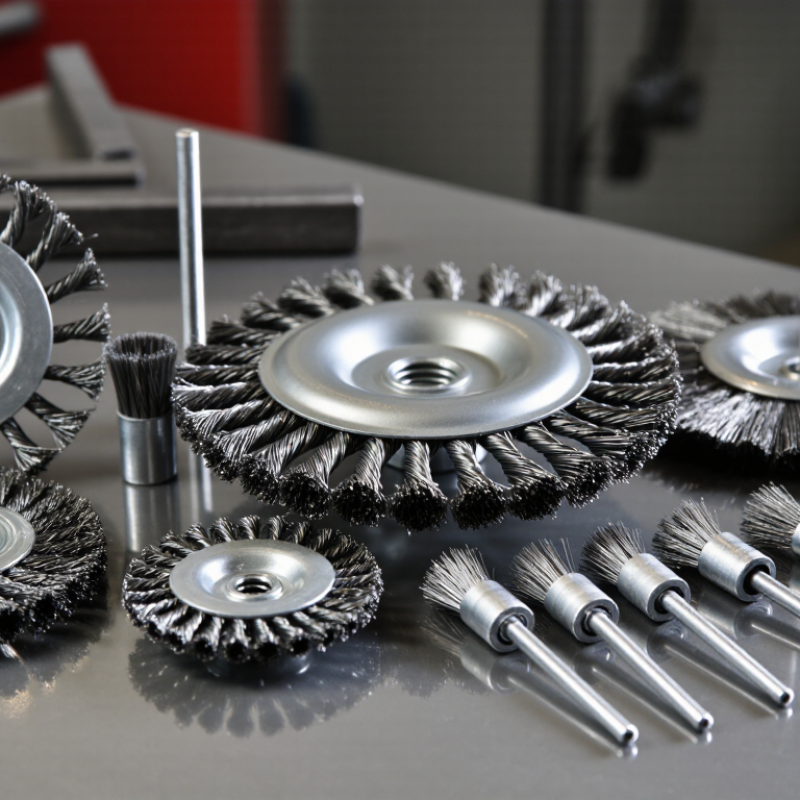
Steel brushes vary by wire shape, stiffness, and form. Crimped-wire brushes have wavy bristles that flex against uneven surfaces. They suit lighter rust removal, paint residue, and general cleaning. Knotted-wire brushes are more rigid. Their twisted bundles can remove stubborn scale and weld spatter, but they may leave deeper marks on softer metal.

Cup brushes cover broad, flat areas, while wheel brushes reach edges and narrow profiles. End brushes work inside holes, corners, and recessed joints. A hand wire brush offers control for small repairs or places a power tool cannot reach. Slow down there. Brush shape matters as much as wire thickness.

Choose carbon steel for many ferrous-metal jobs, and stainless steel when carbon-steel contamination is a concern. Match the brush to the workpiece and tool speed; never exceed the brush’s rated speed. Wear eye and face protection, secure the work, and inspect for loose wires before use. A quick test on scrap helps. Even then, aggressive wire can gouge a surface, and I have found that the “faster” brush is not always the better choice. Brush gently, then check the finish under good light.

10 Best Steel Brushes for Industrial Cleaning and Deburring — Common Steel Brush Types for Cleaning and Deburring
No. Steel Brush Type Typical Construction Best Suited For Common Form or Size Practical Selection Notes
1 Hand Wire Brush Straight steel wire tufts set into a hand-held block, commonly with a wood or molded handle. Removing loose rust, scale, paint flakes, and dirt from accessible metal surfaces. Typically 3–5 rows of wire; available with straight or curved handles. Useful for localized work and areas that power tools cannot reach. Choose wire stiffness to suit the surface and cleaning task.
2 Scratch Brush Narrow brush head with a compact row or rows of steel wire and a long handle. Cleaning welds, corners, narrow joints, and small metal parts. Commonly made with a slim head and a short or extended handle. The narrow profile improves access in confined areas. Brush in a controlled direction to avoid spreading debris or scratching adjacent surfaces.
3 Crimped Wire Wheel Brush Wavy steel wires arranged around a rotating wheel; crimping gives the bristles flexibility. Light-to-moderate rust removal, surface cleaning, and finishing on broad or curved areas. Common wheel diameters range from about 75–200 mm, with arbor-hole or spindle mounting options. Crimped wire is generally more flexible than knotted wire. Check the tool’s permitted speed and the brush’s maximum rated speed before use.
4 Knot Wire Wheel Brush Steel wires twisted into bundles or knots and arranged around a rotating wheel. Aggressive cleaning of weld seams, heavy scale, and stubborn corrosion on robust workpieces. Commonly available in wheel diameters of roughly 100–200 mm. Its bundled wires are stiffer than crimped wires and can remove material more aggressively. Use light, controlled contact to limit gouging and wire fatigue.
5 Crimped Wire Cup Brush Flared cup-shaped head fitted with crimped steel wire. Cleaning larger, relatively flat surfaces and reaching shallow recesses with an angle grinder. Often supplied in diameters of approximately 75–150 mm, with threaded or arbor-mounted hubs. The cup shape covers a wider area than many small wheel brushes. Keep the brush moving and use only the mounting system specified for the tool.
6 Knot Wire Cup Brush Cup-shaped head with twisted steel-wire bundles for a firm brushing action. Heavy-duty weld cleaning, removal of tenacious rust, and surface preparation on sturdy metal parts. Commonly available in diameters of about 75–125 mm. Offers more aggressive action than a crimped cup brush. Avoid excessive pressure, which can shorten brush life and damage the work surface.
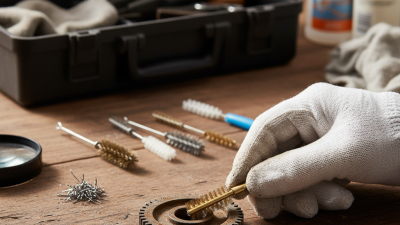
7 End Brush Small circular or pencil-shaped brush with steel wire concentrated at the end of a shank. Cleaning holes, slots, weld corners, and other small or recessed areas. Brush heads are commonly about 10–50 mm in diameter; shank-mounted versions fit compatible rotary tools. Useful for detail work and localized deburring. Confirm that the shank fits the tool and avoid bending the wire head sideways.
8 Bevel Brush Angled face of crimped or knotted steel wire mounted on a wheel-style hub. Reaching edges, corners, and weld areas where a straight wheel brush has limited contact. Often available in diameters of roughly 100–150 mm. The angled profile can improve access along edges and joints. Select crimped wire for more flexible brushing or knotted wire for tougher deposits.
9 Tube and Inside Brush Cylindrical steel-wire bristles fixed around a twisted-wire stem or a suitable handle. Cleaning the interiors of pipes, tubes, bores, and cylindrical fittings. Brush diameters are selected to match the bore; stems are available in different lengths and attachment styles. Choose a brush diameter that contacts the inside wall without becoming difficult to insert or remove. Verify compatibility with the workpiece material and bore size.
10 Cylindrical Brush Steel-wire bristles arranged around a cylindrical core, with a shaft or other machine-compatible mounting. Continuous cleaning or deburring of repeated parts, slots, and workpieces moving through machinery. Available in various brush diameters, face widths, and shaft or arbor configurations. Match the brush dimensions and mounting to the equipment and workpiece. For production use, confirm operating speed, contact pressure, and guarding requirements.

How to Select a Brush for Industrial Tasks

How to Select a Brush for Industrial Tasks

Start with the material and the job. Removing light rust from a steel plate calls for a different brush than breaking burrs on a machined edge. Choose wire material compatible with the workpiece; stainless wire can help reduce contamination on stainless steel, while carbon steel suits many general-purpose jobs. Check wire diameter and trim length, too. Thicker wire cuts more aggressively, but may leave a rougher finish. Short bristles feel stiffer. That detail is easy to overlook.

Match the brush shape to the surface: cup brushes cover broad, flat areas, while wheel brushes reach edges and narrow channels. Confirm that the arbor or thread fits the tool, and follow the brush’s rated operating speed. More pressure is not always better; it can overheat the workpiece, deform wires, or remove too much material. A brush that clears burrs quickly can also soften a precise edge. Test it on a scrap piece first. Inspect for loose or damaged wires, and use suitable eye and face protection. Even with a sensible choice, results can vary with tool angle and contact time. A few seconds on a test area may reveal more than the product description.

10 Steel Brushes for Industrial Cleaning and Deburring

Steel brushes for industrial cleaning and deburring come in different shapes and wire styles. Ten useful options include hand, cup, wheel, end, narrow-face, crimped-wire, knotted-wire, stainless-wire, carbon-steel-wire, and brass-coated-wire brushes. Hand brushes suit small welds and corners; cup and wheel brushes cover broader surfaces. End brushes reach holes and recessed edges. Crimped wire offers a more flexible touch, while knotted wire is stiffer for heavier scale. Stainless wire helps reduce carbon-steel contamination on stainless workpieces. Small details matter.

Choose a brush by the material, burr size, access, and finish required. A thin, delicate edge can be damaged by aggressive wire or excess pressure. Check the brush’s rated speed against the tool, secure the workpiece, and use appropriate eye and face protection.

The U.S. Bureau of Labor Statistics reported 2.6 million nonfatal workplace injury and illness cases in private industry in 2023, with a rate of 2.4 cases per 100 full-time-equivalent workers. That figure is not specific to brushing, but it underlines why routine tool checks and controlled work practices matter.

In practice, brush selection can still involve trial and inspection; a clean-looking surface is not always a properly deburred one.

Safe Use, Maintenance, and Storage of Steel Brushes

Steel brushes can remove scale, rust, and burrs, but safe results depend on choosing the right brush for the job. Check that its diameter, wire type, and rated operating speed suit the tool and material. Wear safety glasses or a face shield, gloves, and hearing protection. Secure the workpiece before starting. Small checks matter. Keep the brush guard in place, and direct sparks away from people, cables, and flammable materials. Never guess about the tool’s speed rating.

Inspect the brush before each use. Loose wires, a cracked hub, or heavy uneven wear are reasons to replace it. Let the tool reach operating speed before gentle contact, and avoid pushing hard. Excessive pressure can bend wires, overheat the surface, and make deburring less controlled. I find it tempting to press harder when a burr resists, but that often worsens the finish. Pause and reassess instead. Keep bystanders clear of the work area.

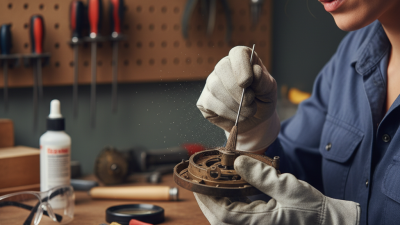
After use, disconnect the tool before cleaning or handling the brush. Remove trapped debris with a suitable method, not bare fingers. Check for damaged wires again, since wear may become obvious only after brushing. Store brushes dry, away from corrosive chemicals and heavy objects that could distort the wire face. A labeled shelf or covered bin helps prevent mix-ups. Avoid piling brushes together; bent wires can leave an uneven contact pattern on the next job.

Steel Brush Selection Guide for Industrial Cleaning and Deburring

Indicative suitability ratings (1 = low, 5 = high) for common steel brush styles.

Knotted and crimped wheel brushes are generally suited to broader, more aggressive cleaning, while end and hand brushes offer better access to confined areas. Ratings are a practical selection guide, not measured performance data. Follow the brush and tool manufacturers’ speed limits, wear eye and face protection, inspect for damaged wires, and store brushes dry.

Go to Top