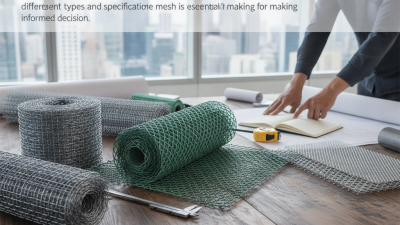
China Top 10 Stainless Steel Mesh Screen Manufacturers?
Choosing among China’s leading stainless steel mesh screen manufacturers requires more than comparing prices. Buyers should examine alloy grade, wire diameter, aperture tolerance, weave consistency, edge finish, and documented inspection procedures. A roll can look uniform under warehouse lights yet reveal uneven openings when held against a backlit inspection panel. Small differences matter in filtration, guarding, and architectural applications.
The scale behind these products is substantial. World Stainless reported global stainless steel melt-shop production of 58.4 million tonnes in 2023. This figure describes stainless steel production, not mesh output, but it shows the broad industrial base supporting wire and mesh supply. J.R. Davis, editor of the ASM Specialty Handbook: Stainless Steels, provides useful materials context for evaluating corrosion resistance and alloy selection. A practical guide to applying that expertise is: “Match the grade to the environment, then verify the mesh dimensions.” That is an editorial selection principle, not a verbatim quotation from Davis.
This top 10 overview will compare manufacturers through practical evidence: available grades, mesh specifications, customization, quality documentation, export experience, and responsiveness to technical questions. Readers should confirm current certificates, sample measurements, and production capabilities directly with each supplier. Rankings can help narrow a shortlist. They cannot replace a specification review.
What Stainless Steel Mesh Screens Are and How They Are Used
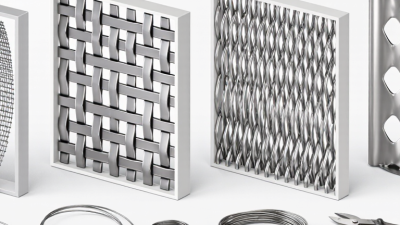
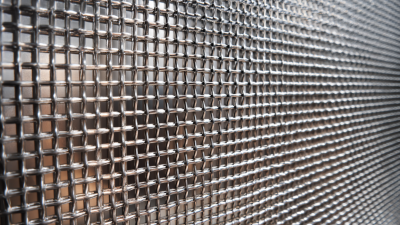
A stainless steel mesh screen is a network of metal wires with openings that let selected materials pass while holding back others. Woven mesh has crossing wires; welded mesh joins wires at fixed intersections. The choice depends on the job. Fine openings can separate particles in a laboratory, while sturdier, wider mesh can protect ventilation openings or support filtering in industrial equipment.
Performance depends on aperture size, wire diameter, weave, alloy, and operating conditions. A wet process may clog fine openings; heat or corrosive fluids can affect service life.
ASTM E11-24 sets requirements for woven-wire test sieves, including opening sizes and tolerances, but it does not cover every industrial screen. Check the relevant specification before comparing products.
Small details matter. World Stainless reported 58.4 million tonnes of global stainless-steel melt-shop production in 2023, reflecting the scale of the material supply—not mesh-screen output. That distinction is easy to overlook.
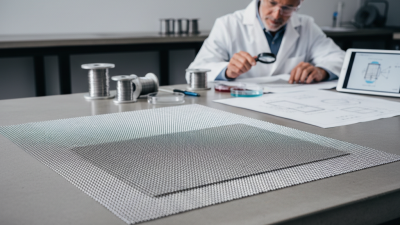
In practice, ask for measured aperture data and inspect a sample under the same lighting and loading conditions expected in use. A catalogue number alone may not tell the whole story.
How Stainless Steel Mesh Screens Are Manufactured and Specified
China Top 10 Stainless Steel Mesh Screen Manufacturers?
How Stainless Steel Mesh Screens Are Manufactured and Specified
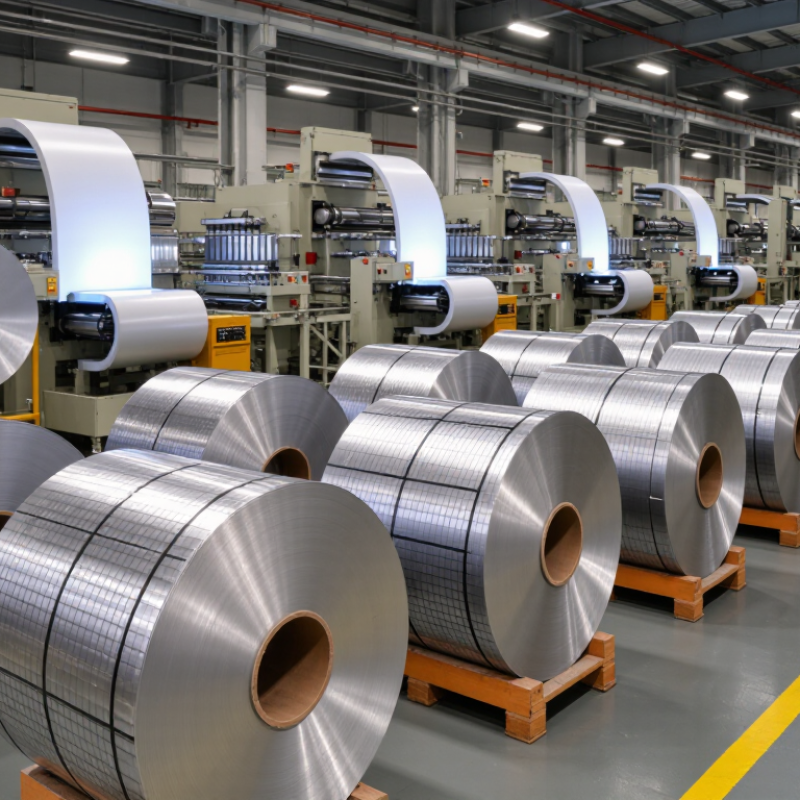
Stainless steel mesh screens begin with drawn wire, checked for diameter and surface defects. The wire is woven, welded, or sintered, depending on the screen’s intended use. Plain weave is common for general filtration, while tighter patterns can retain finer particles. The choice affects flow, strength, and cleaning. There is no single best weave.
During production, operators control tension and inspect the mesh for broken wires, uneven openings, and edge damage. A small flaw can matter. For example, a screen used in a vibrating separator needs stable edges and consistent openings, not just a suitable alloy. Finishing may include trimming, flattening, or fitting the mesh into a frame.
Specifications should state alloy grade, wire diameter, aperture size, weave type, dimensions, and required tolerances. “Fine mesh” is too vague for dependable purchasing. Ask whether aperture refers to the clear opening or a nominal rating, and request inspection records when consistency is critical. This detail is easy to overlook. Corrosion resistance also depends on the environment, cleaning chemicals, and temperature; stainless steel is not immune to every form of corrosion. A sample test under actual operating conditions can reveal problems that a data sheet misses.
Criteria for Evaluating Chinese Mesh Screen Manufacturers
When comparing Chinese stainless steel mesh screen manufacturers, begin with measurable specifications. Check alloy grade, wire diameter, aperture size, weave pattern, roll width, and edge finish. Ask for a sample made to the same specification as the intended order, not just a standard display piece. Small details matter. A difference of a fraction of a millimeter can affect fit, flow, or screening performance.
Review quality controls as carefully as price. Request inspection records, material documentation, and batch traceability, then confirm how defects are handled. If corrosion resistance matters, ask what test method is used and whether the result applies to the supplied mesh. Production capacity and lead time should be supported by clear schedules, not vague promises. Communication is another useful test: can the supplier explain tolerances and packaging without dodging specific questions? A polished brochure is not proof; it is an easy mistake to make. Compare written answers with samples and records. No checklist is perfect, and a missed detail can still surface after delivery.
China Stainless Steel Mesh Screen Manufacturers: A Key Evaluation Criterion
Verify that a supplier can consistently produce and measure the specified aperture. The chart shows selected nominal sieve openings from ASTM E11; it is a technical reference, not a manufacturer ranking.
When comparing suppliers, request aperture and wire-diameter tolerances, inspection records, and test reports for the exact mesh specification. ASTM E11 sieve openings are reference values and do not define every woven wire mesh product.
Profiles of Ten Leading Stainless Steel Mesh Screen Manufacturers in China
China’s stainless steel mesh sector includes manufacturers with distinct strengths. One profile focuses on plain-weave screens for filtration. Another produces tightly controlled fine mesh for laboratory and industrial use. A third specializes in welded panels, with firm intersections and consistent openings. A fourth offers heavy-duty mesh for screening coarse materials. A fifth makes decorative architectural screens, where surface finish matters as much as aperture size.
Other profiles include an alloy-focused producer serving corrosive environments, a custom-width supplier for unusual equipment, a cut-to-size workshop for replacement parts, an export-oriented maker experienced with protective packing, and an integrated mill with in-house drawing and weaving. These are capability profiles, not a verified company ranking. World Stainless Association data reports that China produced about 36.7 million tonnes of crude stainless steel in 2023, roughly 62% of the global total. This shows the scale of China’s stainless-steel base, but it does not measure mesh output or prove any supplier’s quality. A ranking can be imperfect.
Tips: Request a recent test report, alloy grade, wire diameter, and opening tolerance. Compare samples under the same lighting; a shiny surface can hide uneven weave. Ask how defects are handled. One overlooked detail can matter.
How to Choose a Chinese Mesh Screen Manufacturer for Your Project
Choosing a Chinese mesh screen manufacturer starts with your operating conditions, not a catalog photo. Define the mesh count, wire diameter, opening tolerance, alloy grade, screen dimensions, and exposure to moisture or chemicals. A supplier should explain how these specifications affect flow, strength, and service life. Ask for material certificates and inspection records, then confirm that the documents match the batch being quoted. Details matter.
Check whether the manufacturer can produce a sample using the same wire and weaving method as the planned order. Measure its openings and inspect the edges for loose wires or uneven tension. Ask how quality checks are recorded during production, not only before shipment. A polished sample is useful, but consistency across a full production run matters more. I would also check lead times, packing methods, and how quickly technical questions receive clear answers.
Tips: Send a written specification sheet and request a sample before placing a large order. Compare quotes line by line, including tolerances, packaging, and inspection. Ask for recent production examples in similar mesh sizes. If an answer sounds vague, ask again. It may feel awkward, but clarity now can prevent costly rework later.
China Top 10 Stainless Steel Mesh Screen Manufacturers? - How to Choose a Chinese Mesh Screen Manufacturer for Your Project
Use this specification and supplier-verification matrix to compare manufacturers. The rows are representative mesh specifications, not a company ranking. Apertures are nominal calculations; confirm actual tolerances and construction with the supplier.
| Mesh count (per inch) |
Example wire diameter |
Approx. nominal opening |
Typical application |
What to verify with the manufacturer |
| 20 |
0.40 mm |
0.870 mm |
Coarse screening and protective mesh |
Confirm mesh count, wire diameter, weave, and roll width against the drawing. |
| 30 |
0.25 mm |
0.597 mm |
General-purpose screening and separation |
Ask for a sample and inspection results for opening consistency. |
| 40 |
0.20 mm |
0.435 mm |
Fine screening and process filtration |
Specify whether the quoted opening is nominal or subject to a stated tolerance. |
| 60 |
0.15 mm |
0.273 mm |
Particle classification and finer screening |
Check weave uniformity, edge finish, and the inspection method used. |
| 80 |
0.12 mm |
0.198 mm |
Fine filtration and screening |
Request a sample roll or cut sample for dimensional and visual checks. |
| 100 |
0.10 mm |
0.154 mm |
Fine separation and filtration applications |
Confirm the material grade and request material traceability documentation. |
| 120 |
0.08 mm |
0.132 mm |
Fine filtration where a smaller opening is required |
Check the agreed wire diameter, opening tolerance, and roll-length tolerance. |
| 150 |
0.063 mm |
0.106 mm |
Fine particle screening and filtration |
Ask how the supplier controls wire breakage and mesh uniformity during production. |
| 200 |
0.050 mm |
0.077 mm |
Fine filtration and laboratory screening |
Request documented inspection criteria and confirm suitability for your operating conditions. |
| 250 |
0.040 mm |
0.062 mm |
Very fine screening and filtration |
Approve a pre-production sample and agree on acceptance limits before ordering. |
Aperture estimates use: opening (mm) = 25.4 ÷ mesh count per inch − wire diameter (mm). Actual woven mesh dimensions depend on manufacturing tolerances and measurement method. For supplier qualification, request the material grade, dimensional inspection records, traceability documents, production sample, and written agreement on specifications.