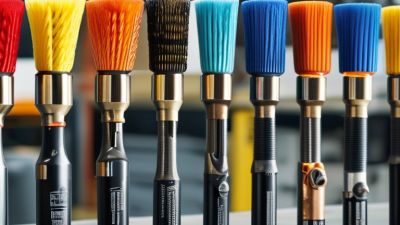
Choosing a tube brush in 2026 means matching its bristles, diameter, and reach to the surface being cleaned. A brush that is too small may leave residue behind; one that is too large can bind inside a narrow tube. Material matters, too. Nylon bristles suit many general cleaning tasks and are less likely to scratch delicate surfaces. Brass offers a softer metal option, while stainless steel provides firmer scrubbing for tougher deposits on compatible materials.
There are other useful designs. Twisted-wire brushes hold bristles securely around a central stem and often reach into long or curved passages. Flexible-shaft models bend around gentle curves, while abrasive brushes can help remove stubborn buildup when the tube material can tolerate them. Small detail. The trade-off is real: more aggressive bristles may clean faster but can damage a finish or leave scratches. Check the tube’s material, inside diameter, length, and residue before choosing.
This guide compares the top tube brush types by construction, practical use, and key selection factors. It also considers handle design, bristle stiffness, and whether a brush can reach bends without losing control. Product specifications differ, so verify dimensions and material compatibility with the manufacturer rather than relying on appearance alone. Not every application has a perfect match. A careful fit test can reveal a problem before regular cleaning begins.
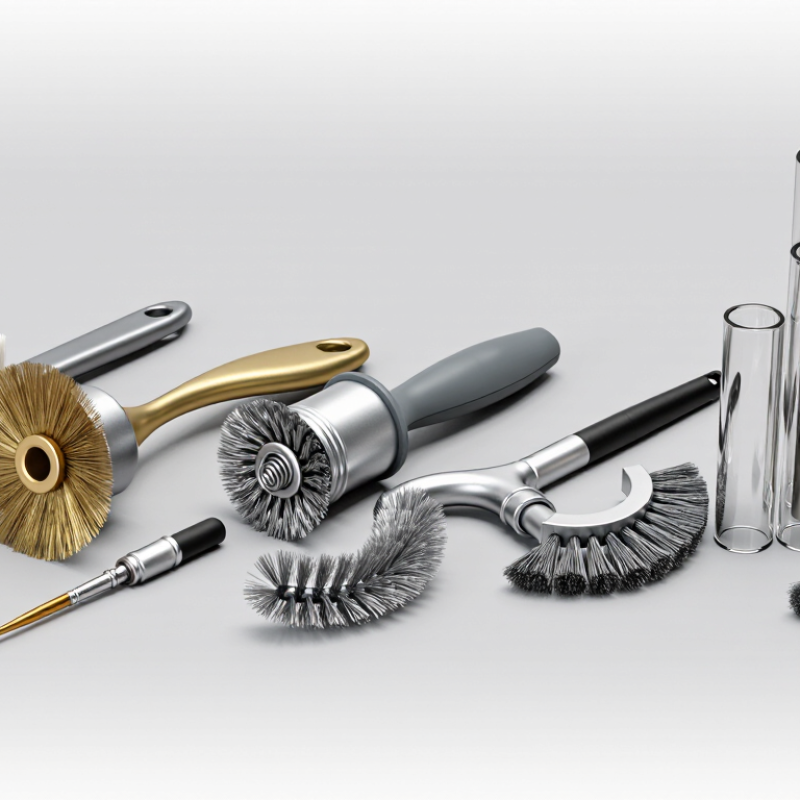
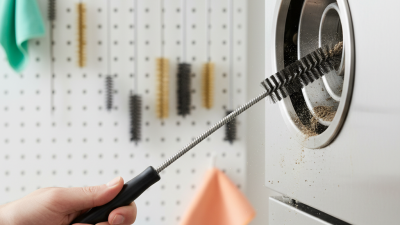
A tube brush is a small cleaning tool built around a flexible stem, a central wire core, and bristles arranged around it. The stem may be twisted metal wire or a longer shank attached to a handle. Its length and stiffness affect how easily the brush reaches bends and narrow passages. For a clear picture, imagine a slender bottle brush sized to fit inside a metal tube.
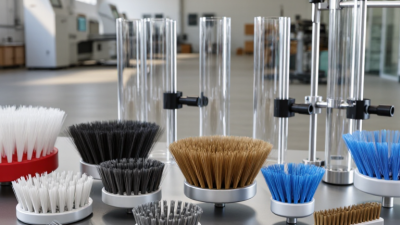
The core holds the bristles in place. In many designs, two wires twist together and trap short tufts between them. Bristles may be nylon, natural fiber, or metal, depending on the surface and residue. Nylon is generally less abrasive; metal bristles can remove tougher deposits but may scratch soft materials. That difference matters. A brush that feels sturdy may still be too aggressive for a thin-walled tube.
The working diameter should fit the tube without being forced. If it is too small, bristles may miss residue along the inner wall; if too large, the brush can bind or shed bristles. In shop use, a common mistake is judging fit by the opening alone and overlooking bends farther inside. Check the full path, and inspect the brush for loose wires or flattened bristles before use. It is easy to overstate how much one brush can do: the right choice still depends on tube material, shape, and what needs removing.
The chart compares common construction features, not performance ratings. A value of 1 means the component is typically present; 0 means it is not intrinsic to that brush type. Specific designs vary by application and manufacturer.
What Are the Top Tube Brush Types in 2026?
Comparing the Main Tube Brush Types in 2026
Tube brush choice depends on the bore material, residue, and access angle. Nylon brushes suit routine cleaning in plastic, glass, and many finished metal tubes. Their flexible bristles can remove loose dust or light deposits without aggressive scraping. They are less effective on hardened buildup. A little patience helps.
Brass brushes offer more scrubbing power than nylon, while generally being softer than steel. They can work on some metal tubes, but test a hidden area first; brass bristles may still mark delicate surfaces. Stainless steel brushes handle tougher deposits in compatible metal tubing. They should not be used automatically on softer materials, where scratches or surface damage may result. Abrasive nylon brushes add grit for stubborn residue, but the abrasive grade matters.
Compare brush diameter with the tube’s inner bore, allowing a close fit without forcing the brush. Check stem flexibility and overall length, especially for bends or deep channels. A brush that is too large can jam; one that is too small may leave residue behind. Small details matter. There is no universal best type, and material labels alone cannot predict performance. Test gently, inspect the tube, and reconsider the choice if the surface changes.
| Tube Brush Type | Typical Bristle Material | Best Suited For | Main Advantages | Limitations and Selection Notes |
|---|---|---|---|---|
| Nylon tube brush | Nylon filaments, usually set in a twisted-wire stem | General-purpose cleaning of plastic, glass, and many metal tubes; light-to-moderate deposits | Nonmetallic bristles are less likely than metal wire to scratch many surfaces; available in a wide range of sizes and stiffnesses | Less effective on heavy, hard scale than metal or abrasive options. Check chemical and temperature compatibility for the specific nylon and process. |
| Stainless-steel wire tube brush | Stainless-steel wire | Durable metal tubes and stubborn deposits such as rust, scale, and compacted residue | Firm scrubbing action and good wear resistance; useful where a more aggressive brush is appropriate | Can scratch or damage softer materials and surface finishes. Match the wire grade to the job and avoid using it on incompatible surfaces. |
| Brass wire tube brush | Brass wire | Cleaning softer metals and removing light-to-moderate deposits where steel wire may be too aggressive | Generally softer than steel wire and can provide a less aggressive brushing action on suitable surfaces | Still metallic and may mark delicate finishes. Confirm material compatibility, especially when cleaning components where copper contamination must be avoided. |
| Abrasive-filament tube brush | Synthetic filaments containing abrasive particles, commonly silicon carbide or aluminum oxide | Deburring, surface finishing, and removal of persistent residue from compatible workpieces | Combines brushing flexibility with controlled abrasive action; can reach internal surfaces and edges | Removes or alters surface material, so it is not a neutral cleaning choice. Select abrasive type and grit carefully for the material and finish required. |
| Natural-fiber tube brush | Natural bristles, such as horsehair or plant-derived fibers, depending on the brush | Light-duty dusting and dry cleaning of delicate or easily marked internal surfaces | A relatively soft brushing option for light debris and gentle surface contact | Not intended for heavy deposits or harsh conditions. Moisture, chemicals, and heat may affect natural fibers; check the brush specification. |
| Miniature and micro tube brush | Nylon, stainless steel, brass, or other material selected for the application | Small-bore passages, narrow tubing, ports, and precision components | Small brush head reaches confined internal areas; material options allow different cleaning strengths | “Miniature” describes size rather than a specific bristle material. Measure the bore and choose a brush that fits without excessive force. |
Selection note: Choose a brush diameter suited to the tube’s inside diameter, match the bristle material to the workpiece and deposit, and follow the brush maker’s guidance for compatible cleaning chemicals and powered use.
Tube-brush performance depends on matching filament stiffness to the tube wall and residue. Nylon reaches narrow bores without the aggressive scraping of metal, making it useful for routine cleaning and delicate surfaces. MatWeb’s typical material-property data puts unfilled nylon 6/6 tensile strength near 83 MPa, compared with about 33 MPa for polypropylene. These are material tests, not brush-life guarantees; moisture, filament diameter, and repeated bending change real-world performance. A brush that feels firm in the hand may still flex too much inside a long tube.
Shape matters just as much. A cylindrical brush suits straight passages, while a tapered head can reach a changing bore or shoulder. Twisted-wire cores hold bristles securely, but can be awkward in very tight bends. Stainless filaments tackle hard deposits, yet may scratch softer metals or coatings. For reference, ASTM A240 sets a minimum yield strength of 205 MPa for annealed 304 stainless steel sheet; that strength does not make every stainless brush safe for every surface. Check the tube material and residue first. Small details matter. A slightly oversized brush may clean well near the opening but bind deeper inside, so test fit and inspect the bore afterward. MatWeb material-property records; ASTM A240/A240M.
The right tube brush depends on the tube material, bore size, and residue you need to remove. Nylon bristles suit softer surfaces and routine cleaning, especially when scratches are a concern. They work well in plastic tubing and many finished metal passages. For light corrosion or stubborn deposits, brass bristles offer more scrubbing force, but check compatibility before use. Stainless steel bristles are tougher and can damage softer metals. Match the brush to the surface, not just the dirt.
Details matter. A brush that is too large may bind inside a narrow tube, while one that is too small can leave residue behind. Measure the inside diameter, then choose a brush that contacts the walls without forcing it through. A flexible stem helps reach bends; a longer, firmer stem can provide better control in straight passages. Short strokes are often easier to manage. Avoid twisting hard.
The application also guides bristle choice. For delicate instrument channels, use a soft brush and follow the equipment maker’s cleaning instructions. For workshop tubing with oily buildup, a compatible cleaning solution and durable bristles may be more effective than extra pressure. Abrasive filament brushes can remove scale, but they may alter a surface finish. That trade-off is easy to miss. Inspect the tube afterward, rinse away loosened debris, and replace brushes with bent stems or uneven bristles. The best choice is sometimes less aggressive than expected.
Tube brushes fail quietly. Nylon bristles may soften or splay, while metal bristles can bend and leave uneven contact inside a bore. Check the brush before each shift: look for a loose ferrule, flattened tips, trapped debris, or a head that no longer fits snugly. Match bristle material and stiffness to the tube surface; an overly aggressive brush can scratch soft metal. A quick visual check is useful, but it cannot reveal every worn bristle.
Clean brushes after use, remove residue, and let them dry fully before storage. Keep brushes for different tube sizes or cleaning tasks separate. ISO 16232:2018 describes methods for assessing technical cleanliness of components, including particle extraction and measurement; it does not prescribe brush replacement intervals. That distinction matters. Replace a brush when its diameter changes, bristles shed, or cleaning results become inconsistent—not just when a calendar says so. Still, inspection records can be messy, and a simple log may miss gradual wear.
McKinsey’s 2018 analysis of predictive maintenance reported potential maintenance-cost reductions of 10–40% and downtime reductions of up to 50% across industrial equipment. These are broad equipment benchmarks, not tube-brush-specific results. Apply the lesson cautiously: record brush condition, cleaning frequency, and observed tube residue, then adjust replacement timing using actual results. A tidy-looking brush is not always effective.