Where to Buy the Best Safety Wire in China?

Choosing the right safety wire in China requires more than comparing prices. Buyers should examine alloy, diameter, tensile consistency, surface finish, packaging, and batch traceability. A spool may look clean under bright warehouse lights, yet still lack clear material documentation. Small details matter.

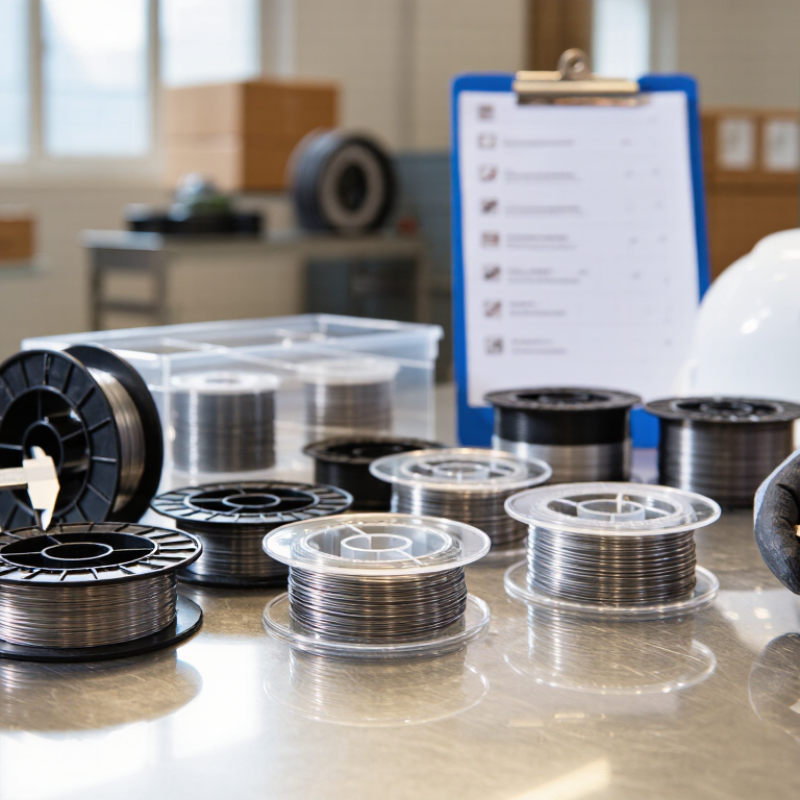
For aerospace, machinery, and industrial maintenance, ask suppliers for product specifications, inspection records, and samples before placing a large order. Check whether the wire feeds smoothly, twists evenly, and resists fraying during installation. These practical checks help reveal quality differences that a polished product photo cannot show. A low quote can be tempting. It is not proof of value.

China has manufacturers, trading companies, and export-focused distributors, so verify who actually makes the product. Request factory details, confirm order tolerances in writing, and clarify how defects are handled. If a supplier answers technical questions with vague promises, pause. That hesitation may be warranted.

No source article or verifiable safety-wire specialist quotation was provided, so I cannot responsibly assign a quotation to a named expert. The guidance here is practical, not a substitute for application-specific engineering review. A useful buying principle is simple: match the wire to the job, then verify the evidence behind the listing. Even that deserves scrutiny; supplier claims and paperwork should be checked, not merely accepted.
Where to Buy the Best Safety Wire in China?

Understanding Safety Wire and Its Industrial Uses

Safety wire is a metal fastening material used to help keep bolts, pins, and other components from loosening under vibration. It is commonly made from stainless steel or corrosion-resistant alloys. The wire is twisted through aligned holes and secured so movement is easier to spot during inspection. It is not a substitute for correct torque or sound component design. Small detail, big consequence.

In machinery, transport equipment, and industrial assemblies, safety wire can provide a visible mechanical restraint. Technicians may use it on fasteners exposed to repeated vibration, heat, or routine servicing. Wire diameter and material should match the application, installation method, and expected environment. Too thin, and it may break; too thick, and installation can become difficult. Practice matters. Even a good specification can be undermined by uneven twists or sharp, poorly trimmed ends.

When sourcing safety wire in China, buyers can ask for material certificates, dimensional tolerances, and test information relevant to the intended use. Check whether samples match the stated diameter and finish, and confirm packaging prevents tangling or surface damage. A neat catalogue is not proof of consistent production. I would also inspect a trial batch and review the supplier’s quality records before placing a larger order; this takes time, but assumptions are less useful.
Types of Safety Wire Available in China

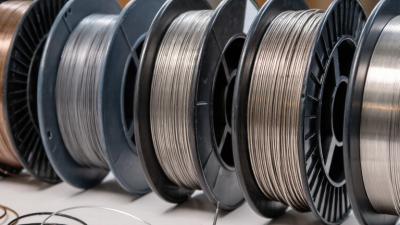
Safety wire sold in China comes in several material grades and forms. Annealed stainless steel wire is a common choice for securing fasteners on machinery, vehicles, and equipment exposed to moisture. Grade 304 suits many general environments, while grade 316 is often preferred near salt water or corrosive cleaning agents. The wire should twist evenly without cracking. A brittle end is a warning sign.

Galvanized low-carbon steel wire is usually a practical, lower-cost option for dry indoor use. It may not last as well where coatings are scratched or moisture collects. For hotter service, buyers can ask about heat-resistant nickel-based alloys, but the operating temperature and equipment instructions matter. Common diameters include 0.020, 0.032, and 0.041 inch; availability can vary by supplier. Small spools are easier to handle at a workbench. Check the certificate.

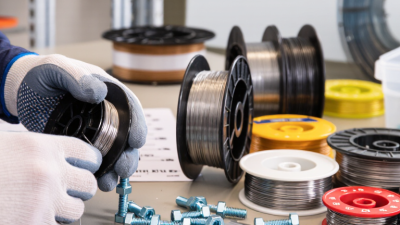
Suppliers in China may offer soft-annealed wire, pre-cut lengths, or wire on compact reels. Compare material grade, diameter tolerance, surface finish, and stated tensile properties, rather than relying on a product photo. Request a sample and twist a short piece with the intended tool. It should bend cleanly and hold its shape. I would not choose by price alone; that shortcut is tempting, and sometimes wrong. For aircraft, industrial, or other safety-critical equipment, use only the wire specification approved for that application.

Standards for Assessing Safety Wire Quality

When deciding where to buy safety wire in China, assess the specification before the supplier’s sales claims. ASTM A580/A580M covers stainless steel wire, but the correct grade and mechanical properties depend on the application. Request a mill test certificate showing heat number, chemical composition, wire diameter, tensile properties, and applicable standard. Then compare the document with the actual coil label. Small discrepancies matter.

Check the wire itself. A clean, even surface and consistent diameter help it feed through drilled fastener holes without snagging. Ask for a sample and measure several points along the coil; one reading is not enough. For aircraft maintenance, FAA Advisory Circular AC 43.13-1B provides guidance on safetying practices, including proper wire selection and installation. Product suitability still depends on the maintenance procedure. Keep that distinction clear.

China’s scale is impressive, but it does not prove a particular coil meets your requirements. World Steel Association’s World Steel in Figures 2024 reports Chinese crude steel production of 1,019.1 million tonnes in 2023. That figure describes industry output, not safety-wire quality. Ask suppliers for traceable test records and consistent batch identification. Check packaging, too: damp coils or loose labels are easy to overlook. I would not approve a purchase from a certificate alone; samples and records should agree.

Where to Buy Safety Wire in China

Where to Buy the Best Safety Wire in China?

When deciding where to buy safety wire in China, look for a manufacturer that can document the material, not just quote a low price. Ask for the wire grade, diameter tolerance, temper, tensile-test results, and a mill test certificate linked to the production lot. For stainless steel wire, ASTM A580/A580M provides a useful specification reference; confirm that its requirements fit your application. Safety wire is not wire rope. Small differences in diameter or stiffness can affect handling and twisting.

China has a substantial steelmaking base. World Steel Association’s World Steel in Figures 2025 reports that China produced about 1,005 million tonnes of crude steel in 2024, roughly 53% of world output. That figure describes crude steel, not safety-wire quality. I would not treat a large production base as proof of a good lot. That shortcut is tempting, but weak.

Before ordering, request recent test reports and samples from the same grade and finish you plan to buy. Check the surface under bright light for rust, pits, or uneven coating, then try twisting a short length by hand. Ask how the supplier controls batch traceability and handles rejected material. A video call can help, but it cannot replace inspection. I would want an independent pre-shipment check for a large order, even if it adds time.

Where to Buy the Best Safety Wire in China? — Where to Buy Safety Wire in China
Purchasing Channel Best Suited For What to Request Checks Before Ordering Buying Tip
Industrial fastener and maintenance distributors General industrial maintenance, machinery, and small-to-medium orders Stainless-steel safety wire, specified diameter, annealed condition, spool length, and material documentation Confirm the alloy grade, wire diameter, finish, packaging, and whether the product is intended for safety-wire applications Ask for a sample spool and written product specifications before placing a larger order
Metal-wire manufacturers and wire-processing suppliers Repeat purchases, custom spool sizes, and larger-volume requirements Material grade, diameter tolerance, temper or annealing condition, surface requirements, and batch traceability Request a current inspection report or material certificate and verify that its details match the quoted product Provide a drawing or a complete specification; “stainless wire” alone may not define a suitable safety wire
Aviation and specialist MRO suppliers Aircraft maintenance or other work with controlled technical requirements The exact specification, part description, applicable approval requirements, lot identification, and traceability records Confirm that the supplied wire meets the maintenance documentation or customer-approved requirements; do not rely on a generic listing Get written confirmation of compliance and retain purchasing and batch records
Online B2B sourcing platforms Supplier discovery, quotation comparison, and initial sample sourcing Datasheet, material and diameter details, minimum order quantity, lead time, sample policy, and export packaging information Check the seller’s manufacturing or trading role, request evidence for technical claims, and verify the actual product before bulk purchase Use the platform to shortlist suppliers, then validate specifications and samples directly before committing to production quantities
Local industrial supply shops Urgent, low-quantity maintenance needs Exact diameter, alloy grade, spool quantity, and any required certificate or specification Inspect the label and packaging; confirm that the wire is the required material and condition rather than general-purpose stainless wire Suitable for quick replenishment when requirements are straightforward; confirm traceability needs first

Common size references: Safety wire is sold in multiple diameters. Examples include 0.020 in (0.508 mm), 0.025 in (0.635 mm), 0.032 in (0.813 mm), and 0.041 in (1.041 mm). Select the size and material specified for the application; these examples are not a substitute for an engineering or maintenance requirement.

Before purchase: Compare quotations on the same basis—material grade, diameter and tolerance, annealed condition, spool length, documentation, packaging, and delivery terms. For regulated or safety-critical applications, verify the required specification and traceability with the responsible engineering or maintenance authority.

How to Compare Suppliers and Select the Right Product

Where to Buy the Best Safety Wire in China?

Compare suppliers by evidence, not polished product photos. Request the wire’s grade, diameter tolerance, tensile strength, finish, and batch-specific inspection records. For stainless options, ask whether the material is annealed and suitable for twisting without cracking. A sample should feel consistent across its length; test a few twists and inspect under bright light. Small surface flaws matter.

The World Stainless Association’s Stainless Steel in Figures 2024 reports 58.4 million tonnes of global stainless-steel melt-shop production in 2023. That scale supports broad material availability, but it does not prove any supplier’s wire quality. Ask for a material test report linked to the batch, plus test methods and acceptance limits. Compare quotes on the same grade, diameter, packaging, and order quantity. Cheap can get expensive.

Check factory capability, response time, export packing, and whether the supplier can explain test results clearly. Request recent inspection records, not just a generic certificate. Verify that sample measurements match the stated tolerance using a micrometer. If you need wire for a specific assembly, confirm the required specification with its technical documentation before ordering. I would not choose on price alone; I have seen tidy paperwork leave practical questions unanswered. Ask for clarification, and keep the reply with the purchase record.

Go to Top